Walking the Camino de Santiago Without Peak Fitness: Here's Why You Can Do It
Worried you're not fit enough for the Camino de Santiago? Don't be. We're here to tell you that completing this iconic pilgrimage is absolutely achievable, regardless of your current fitness level.

In this article
Walking the Camino de Santiago is not just for athletes.
There's a common perception that this journey might be challenging for people who aren't in peak fitness. It's true that you'll walk considerable distances (obviously), so it's important to plan your stages and choose a route based on your fitness level and the time you have available for the journey.
The Camino de Santiago requires considerable physical effort, covering kilometres across various terrains and dealing with factors like weather and elevation changes that can make certain stretches more challenging.
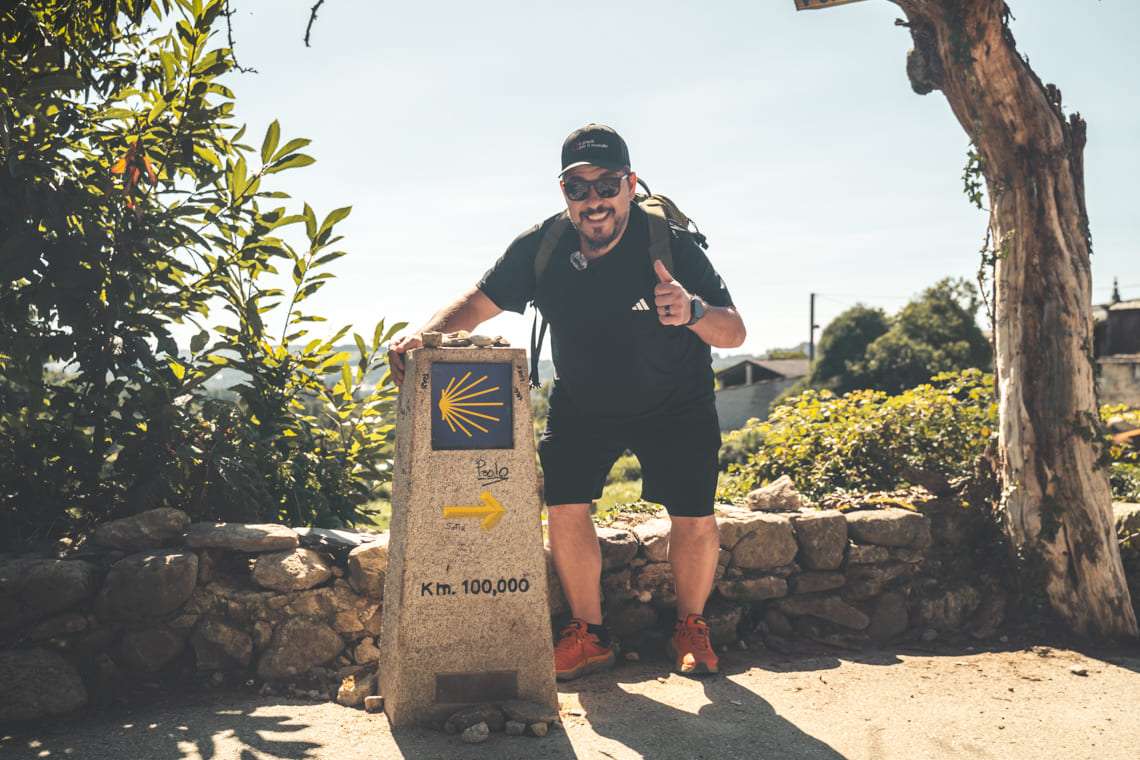
There are options, such as starting the Camino at Saint Jean Pied de Port or the Camino Primitivo, which demand greater physical preparation compared to other options like walking the final 100 km from Sarria.
While the Camino can adapt to any profile, it's important to emphasise that regular exercise will be beneficial, even if you're not typically an active person.
How to prepare for the Camino de Santiago if you are out of shape
Gradual and moderate physical preparation is essential so your body can adapt. We recommend beginning this process a few months before you embark on the Santiago journey. Ideally, aim to walk at least three or four days a week for a couple of hours, progressively increasing the terrain difficulty to avoid overloading your system.
Equally important as physical preparation is mental and emotional readiness. It's vital to understand your limits to ensure this beautiful journey doesn't become an unpleasant memory.
For solid preparation, it's essential to plan your stages, what you'll see, and where you'll eat along the way.
We can help you with all of this to make your experience as fulfilling as possible. Don't obsess over completing stages or arriving within a specific timeframe.
The Camino is meant to be lived, not transformed into an obligation.
Remember: walking the Camino de Santiago without being in peak fitness is possible!
Practical tips for walking the Camino without being fit
Why you should not set off too fast on the Camino de Santiago
Over the years, we've seen many people begin the Camino at too fast a pace. It's understandable; the initial excitement, overwhelming motivation, and the feeling of being well-rested all contribute to this initial burst of energy.
Many set off on the Camino with an energetic rhythm, convinced they can maintain it for the entire journey.
A big mistake.
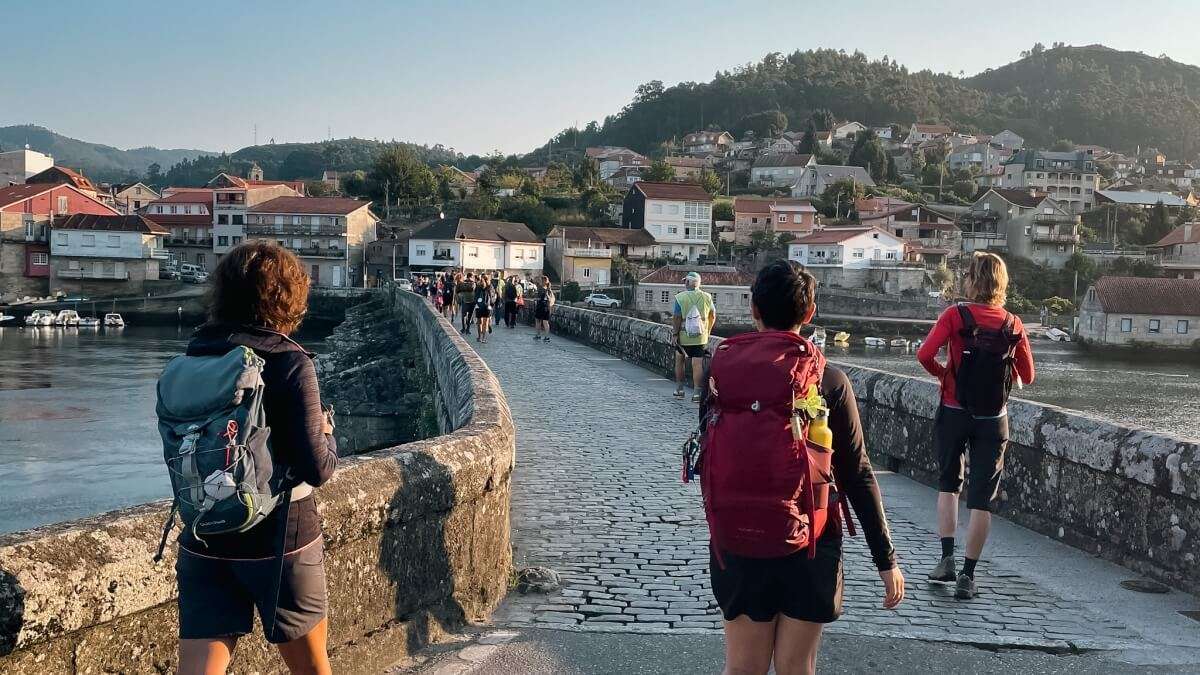
The Camino is like a marathon—you can't burn all your energy on day one. You'll need to be rested for the stages ahead, so pace yourself and enjoy it, and above all… don't rush!
How to find your own pace on the Camino de Santiago
We can't stress enough the fundamental importance of progressing at your own pace.
This isn't a competition, nor is it a task to complete out of obligation; rather, it's an experience meant to be enriching, not a trial.
Walking at your own pace is more than a choice—it's an act of respect toward your body.
If you decide to undertake this Camino with company, it's essential to remember that this isn't about maintaining a fast pace just to keep up. This approach can be counterproductive and negatively impact the quality of your experience.
The beauty of the journey lies in your ability to immerse yourself in the surroundings, absorb the energy of each step, and enjoy the process. If your companion is willing to adapt to your pace, wonderful.
If not, find a balance that allows you both to enjoy the journey.
Remember that everything you want to see and all the places you want to visit will still be there even if it takes you a bit longer to get there—they're not going anywhere, so don't worry. Rushing only drains the magic from the experience. So walk at your own pace and allow yourself to fully enjoy this unique journey.
How to listen to your body during the Camino de Santiago
This might sound obvious, but its importance is often underestimated. We've seen countless people who, in an attempt to prove their courage, ignore their body's signals, only to face the consequences later.
The key is to pay attention.
If you feel pain, stop. If your instinct tells you it's time to rest, do it. Rest isn't a sign of weakness—it's an imperative necessity. If your Camino requires an extra day to recover, don't hesitate to take it.
Walking the Camino de Santiago without being in peak fitness is possible; it just requires some mindful practices.
The ability to listen to your body is fundamental for reaching the ultimate goal—arriving at Santiago Cathedral and shedding tears of joy, not pain.
After all, the journey toward personal achievement should be as respectful as it is ambitious, and taking care of yourself is the cornerstone that ensures the outcome is genuine celebration rather than unnecessary suffering.
How much water to drink each day on the Camino de Santiago?
This might seem like obvious advice, but its importance goes beyond the surface. Sometimes we become so immersed in the joy of the moment or captivated by the majesty of the
surroundings that we forget to do something fundamental: drink water.
Thirst can go unnoticed amid laughter and wonder, but its importance shouldn't be overlooked. Maintaining proper hydration is crucial not only for physical performance but also for overall wellbeing and health.
Which Camino route suits those who are not in shape?
Different options require different levels of physical preparation because not all Santiago routes are equal.
For example, the Camino Primitivo requires good fitness and solid preparation, as does the Camino Francés starting from Saint Jean Pied de Port—not so much for technical difficulty, but because it's a journey of over 30 days and to endure its duration you need to be in good physical shape.
There are also variants like the English Way or Portuguese Way that are extremely popular and more or less accessible, and of course, the option of walking the final 100 km or starting the Camino from various points like Pamplona or O Cebreiro depending on the level of difficulty you feel capable of tackling.
As you can see, walking the Camino de Santiago without being in peak fitness is possible. We hope this article has helped you understand that you don't need to be a superhero or of a certain age to walk the Camino.
At Apiediperilmondo, we've walked the Santiago Camino almost 100 times, so thanks to our team of experts we can advise and organise your journey as you deserve it, with all the comfort possible.
No one ever said the Camino has to be uncomfortable!
Don't hesitate to contact us for further information.
Share
apiediperilmondo by wayure
New articles on walks, trekking and hiking trips. Free, no spam.
Redazione
La redazione di Apiediperilmondo. Guide, itinerari e storie nate camminando: consigli pratici, cammini in Italia e nel mondo, letture e spunti per chi viaggia a piedi.
Profilo e tutti gli articoli di Apiediperilmondo