Walking as Medicine: The Emotional Power of Trekking
Walking clears the mind—it's scientifically proven. Discover how trekking transforms emotional wellbeing and why stepping into nature is one of the most powerful healing journeys you can take.

In this article
Experts agree that walking is a cure for everything; in fact, 80% of psychologists recommend walking and writing to help untangle negative thoughts that sometimes accumulate in our minds.
"Walking is the cure and trekking heals"
You've surely felt overwhelmed by a situation more than once, and your brain naturally led you to take a walk. And certainly, upon returning from that stroll, your thoughts became a bit clearer, for better or worse.
It's proven that regular walking practice can help relieve symptoms related to chronic mental illnesses or disorders such as anxiety and depression.
Walking makes us more happy.
The beauty of walking is that it can be done anywhere, without the need for special equipment.
The more you engage in this activity, the more you experience its positive effects!
Some of the benefits of walking include:
- Improved sleep
- Greater endurance
- Stress relief
- Improved mood
- Increased energy and stamina
- Reduced fatigue, which can increase mental alertness
- Weight loss
- Reduced cholesterol and improved cardiovascular health
The emotional impact of trekking is a proven fact, and the act of walking helps improve mood by increasing blood flow and circulation in the brain and body.
Walking in nature helps calm your nerves, which can lead to reduced perceived stress, which is why the body naturally seeks ways to heal itself from within.
How to create a walking routine

Sharing walks with others one or two days a week can bring enormous benefits.
The combination of physical exercise and positive social interactions has the potential to improve mood, prevent depression, and strengthen self-esteem.
To establish a walking routine, it's advisable to start gradually and increase intensity as you build endurance.
Before undertaking longer walks, do some stretching to prepare your muscles. Start at a relaxed pace and gradually increase your speed. At the end of your walk, take time to cool down.
Each time, plan comfortable routes and consider the option of increasing distance on subsequent days. Set achievable goals and celebrate your successes.
Remember that the length of the route is not the only important thing; the quality of the walk and the benefits gained from doing it consistently are equally important.
A general recommendation is to walk between 30 and 45 minutes, which translates roughly to a distance of 3 to 5 kilometres.
Practical tips
Here are some practical tips to directly observe the emotional impact of hiking in your daily life
- Have your goals clearly in mind. Start with a simple goal, such as taking a 5-minute walk during your lunch break. As this becomes a routine, set new goals, such as walking 20 minutes after work. Find suitable times during the day for your walks. With this approach, you'll be able to set goals that initially seemed unreachable.
- Make your walk enjoyable. If you don't enjoy walking alone, invite a neighbour or friend to join you. If you prefer the energy of a group, consider joining a group walk or gym class. You can also try listening to music, which can make the walk less monotonous.
- Don't overlook comfort. Make sure you wear comfortable footwear that doesn't cause discomfort to your feet, especially if you plan to walk long distances. Also, consider the clothing you'll wear. Layered clothing is useful in changing weather conditions, and opting for moisture-repellent synthetic fabrics can help you stay cool and dry in case of sweating!
- Prioritise safety. If you plan to walk at night, wear brightly coloured clothes and carry a reflector to increase your visibility to vehicles. Keep an eye on your surroundings and always make sure you're safe. And if you're travelling solo, pay attention to our advice
- Vary your routine. If you walk outdoors, plan different routes to maintain variety. If you walk alone, inform someone of the route you'll be taking that day. Always choose safe and well-lit paths.
Don't worry if you occasionally forget to do your daily walks; it's not a problem – we all have days when we simply don't feel like it.
But don't let these days become regular and find the motivation to take a short walk every day.
The emotional impact of trekking will be stronger the more you practice it.
The benefits of walking to improve mood become evident when practised consistently.
Trekking and mindfulness
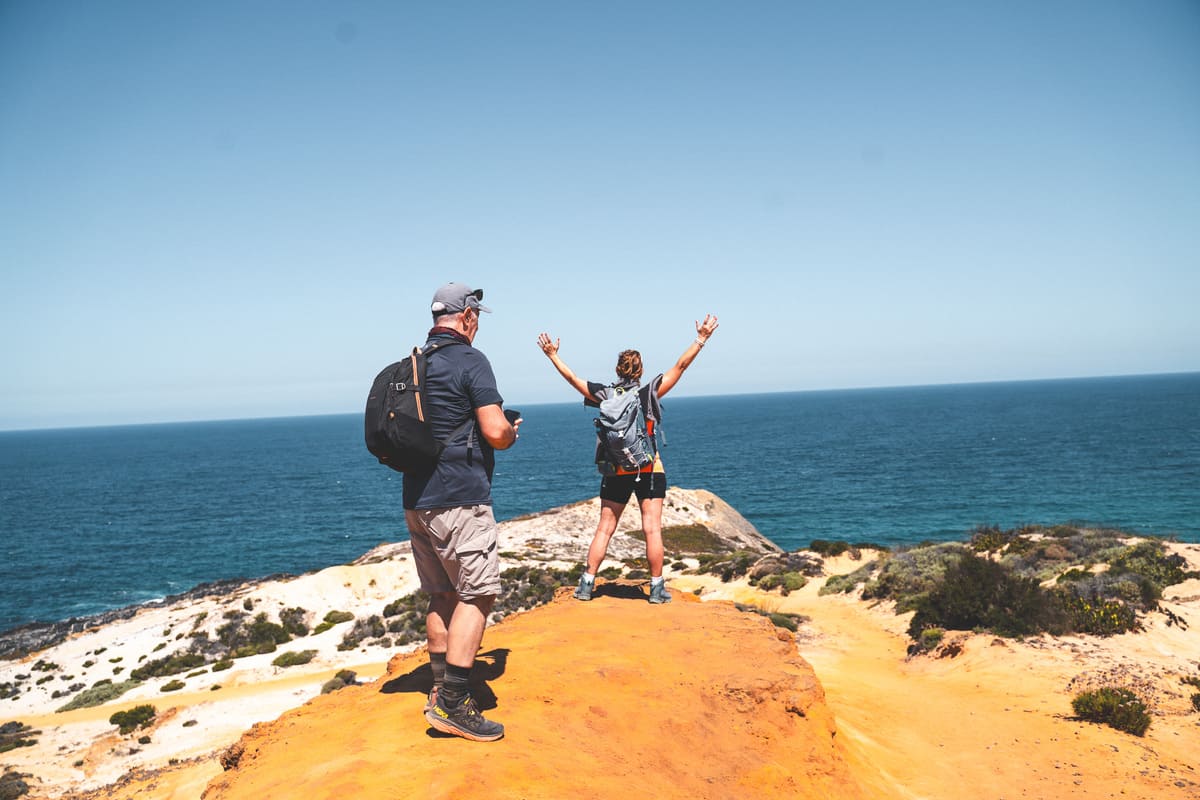
To appreciate the emotional impact of trekking in your life, combine walks with a healthy lifestyle and positive environment, which includes maintaining a nutritious diet, ensuring adequate sleep, and surrounding yourself with positive influences.
It's also important to discuss the importance of mindfulness when we walk.
Let's recall that mindfulness is the practice that directs attention to the present moment, a technique for achieving full awareness by focusing on what's happening "here and now", accepting it without resistance, without trying to change or judge anything.
Maintaining focus while our body is in motion represents a challenge for many, from those prone to irritability to those who are anxious or have attention deficits.
Walking is the cure, but it's also a daily action we do without thinking much about it, similar to breathing.
However, taking a mindful walk in nature can open our eyes to new perspectives, offering experiences different from those we find indoors or on our digital devices.
Walking with awareness
The practice of mindful walking meditation is simple. Just be aware that you're walking while you do it, using the sensations of your body as an anchor for meditation.
To free yourself from the autopilot mode we often find ourselves in, you can ask yourself: "How do I know I'm walking?" and then verify it with your senses.
Sensory walking
This variation of mindful meditation during a walk is easy and consists of tuning in to your five senses as you move through your environment.
By immersing ourselves in the moment with our senses, we can enjoy time outdoors and in motion, as well as appreciate everything around us.
Remaining connected to the moment through our senses helps counteract our mind's tendency to wander to the past or future.
Walking with awareness of your surroundings
Focusing on the beauty of your environment is another way to walk with full awareness, changing our perception of the world from a state of pessimism to an appreciation of the positive and beautiful.
Various experiments have shown that focusing on the beauty around you during a walk tends to have a lasting effect on your mood, even after rest.
In summary, the emotional impact of trekking embraces various factors.
From positive emotions, promoting mental well-being through the release of endorphins and stress reduction, to connection with nature that offers tranquillity and moments of reflection, and through its more social aspect, as trekking can be a social activity that fosters emotional connection and creates shared memories.
The practice of walking also promotes awareness, focusing the mind on the present moment, and stimulates the senses, contributing to emotional balance and good mood.
At apiediperilmondo we organise authentic walking trips tailored to you, taking care of everything so that you only need to focus on walking and enjoying all the benefits we've listed in this article 😉
Contact our experts without obligation to receive personalised advice.
Remember: walking is the cure for almost all ailments!
Thank you for reading!
Share
apiediperilmondo by wayure
New articles on walks, trekking and hiking trips. Free, no spam.
Redazione
La redazione di Apiediperilmondo. Guide, itinerari e storie nate camminando: consigli pratici, cammini in Italia e nel mondo, letture e spunti per chi viaggia a piedi.
Profilo e tutti gli articoli di Apiediperilmondo