Seven Hidden Secrets of the Camino de Santiago You've Never Heard
Beyond the well-known facts about the Camino de Santiago lies a treasure trove of lesser-known stories and fascinating details. Discover seven surprising secrets that will deepen your understanding of this legendary pilgrimage route.

In this article
Why are there so many different Camino de Santiago routes?
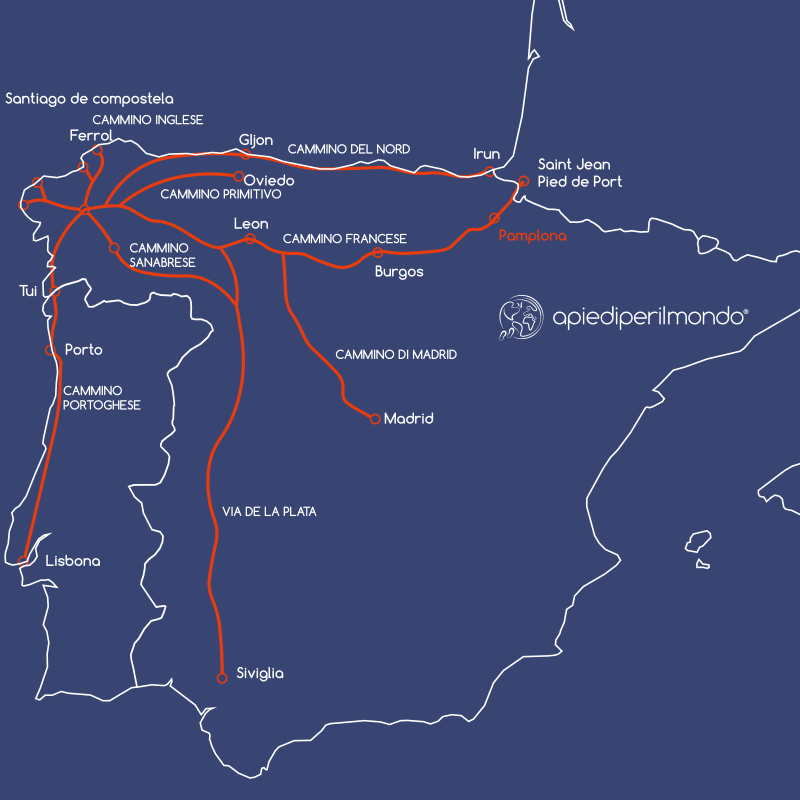
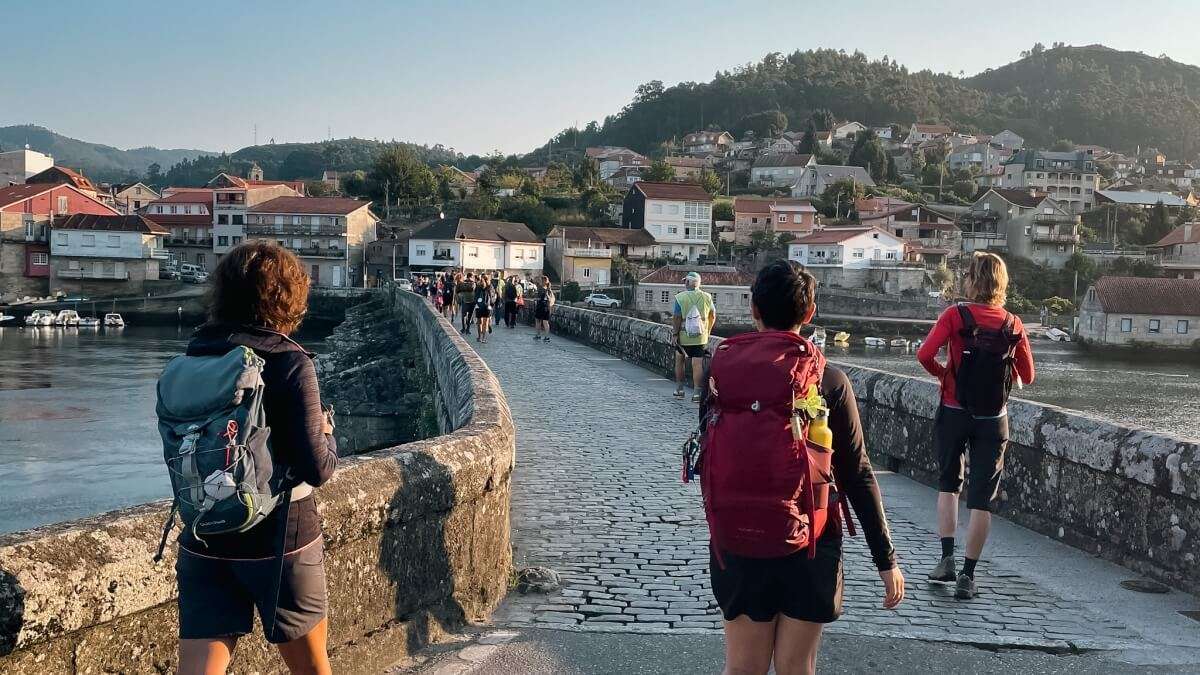
Following the discovery of the presumed tomb of Saint James "the Greater" in Galicia, every pilgrim has traced their own route from their home to Compostela.
Over time, certain itineraries gained greater popularity than others, motivated by various factors such as safety and ease of provisioning.
However, none of them could claim exclusivity to the title of Camino de Santiago.
It was in 1993 that UNESCO inscribed the Camino de Santiago on its prestigious list of World Heritage Sites, granting this distinction particularly to the French Way, the most travelled route since ancient times.
Subsequently, in 2015, World Heritage status was extended to the Camino del Norte and its various variants.
What is the Codex Calixtinus, the medieval guide to the Camino?
Following the revival of interest in pilgrimage to Compostela during the 1990s, a vast array of guidebooks, novels, essays and treatises emerged exploring the Santiago de Compostela jubilee phenomenon.
Yet all these publications, in one way or another, draw their information from a single source: "Pilgrimages to Santiago de Compostela", the most comprehensive and detailed study ever conducted on the subject.
First published in 1948, it comprises three volumes that have become an indispensable resource for research on Compostela pilgrimages and the Camino de Santiago.
After being virtually out of print, renewed interest in the Camino led to several editions being reprinted.
Who was the first pilgrim in the history of the Camino de Santiago?
The first pilgrim of the Camino de Santiago was Afonso II, King of Asturias, who walked the Camino Primitivo to Santiago de Compostela after learning of the presumed discovery of Saint James's tomb.
How were the relics of Saint James found at Santiago de Compostela?
In 1558, San Clemente, Archbishop of Compostela, fearing threats from English pirates to the Apostle's tomb, made the decision to hide the reliquary containing his remains.
This precautionary measure led to such an effective concealment that it lasted for over three centuries!!
It wasn't until 1878, during altar restoration work, that the reliquary unexpectedly resurfaced.
Who invented the yellow arrows that mark the Camino de Santiago?
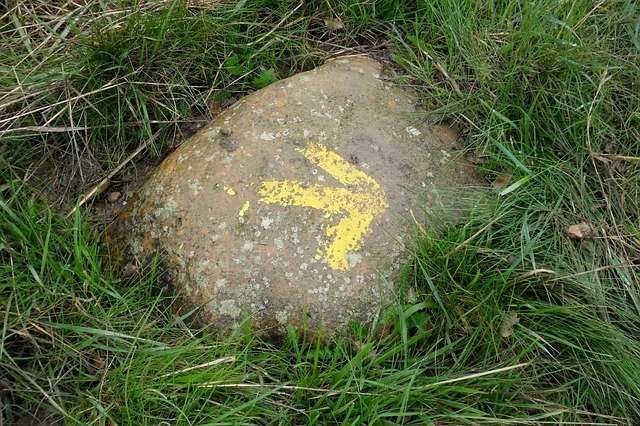
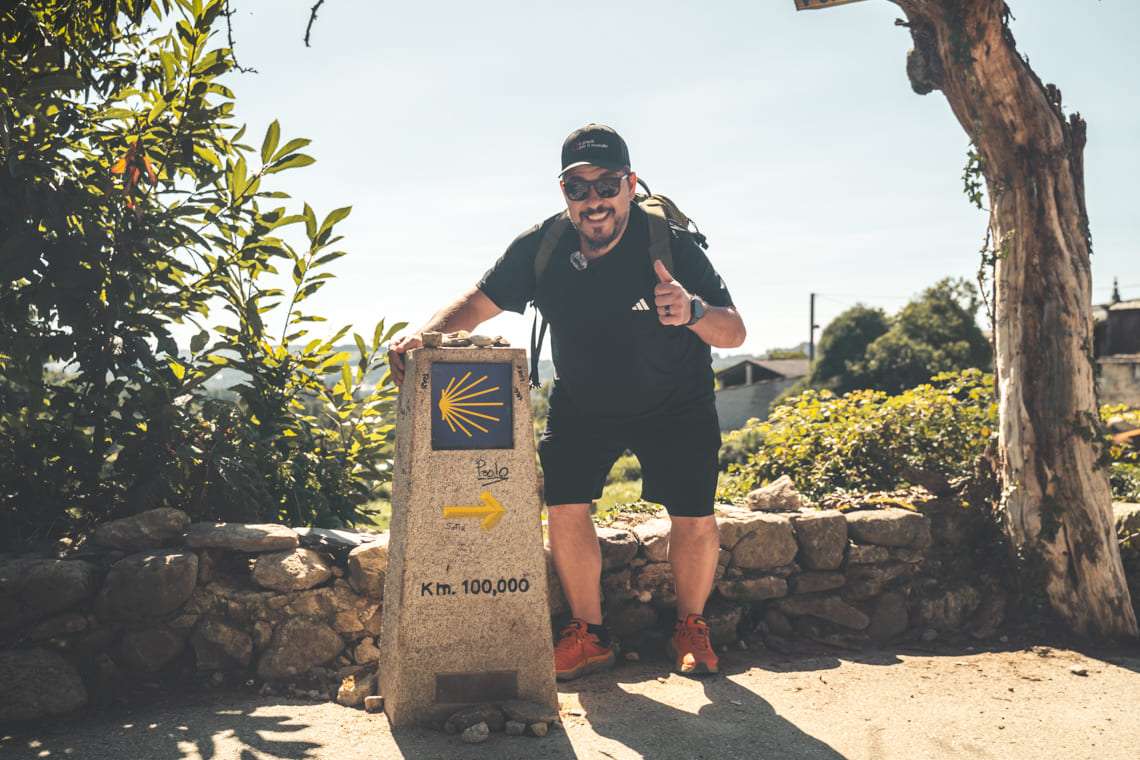
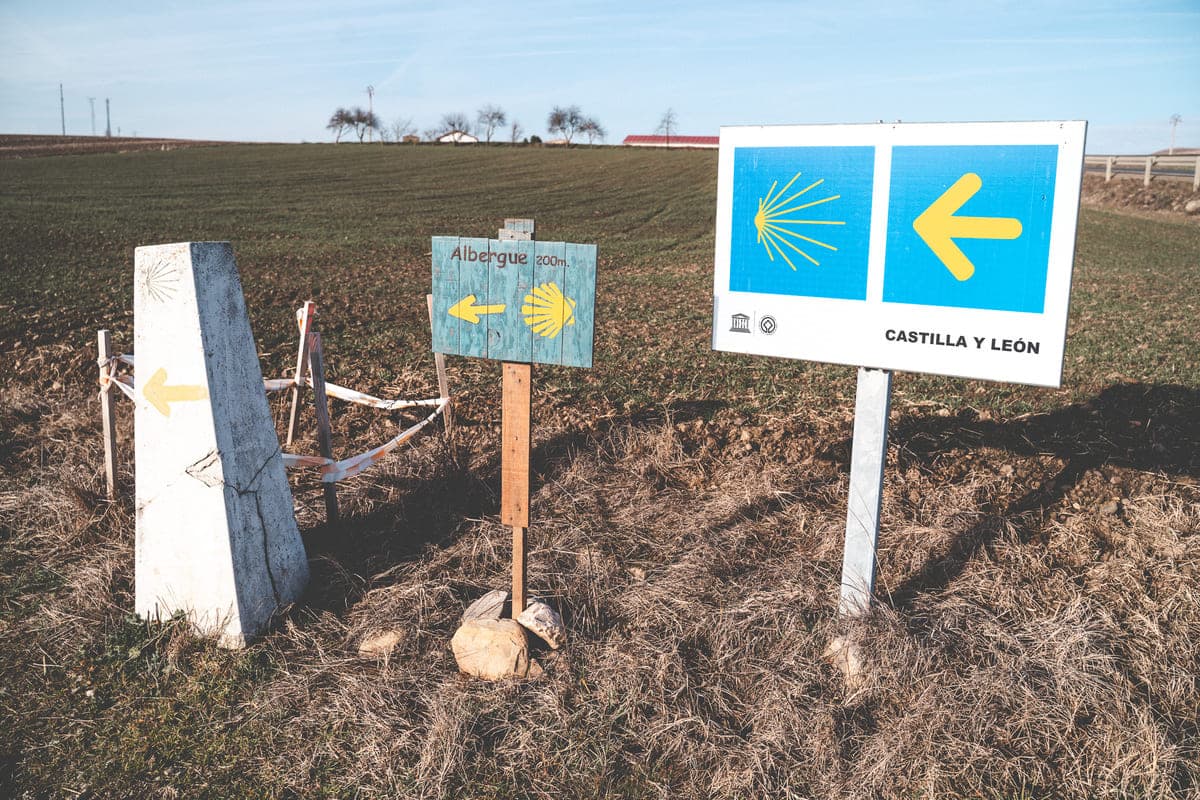
The yellow arrow is a fundamental symbol for guiding pilgrims along the route and appears on walls, roads, trees, pavements and buildings.
Each time you encounter this distinctive arrow, it's a sure sign you're on the right path!
This modern symbol of the Camino was devised in 1984 by Elías Valiña, a priest from O Cebreiro who played an essential role as a promoter and protector of the Camino de Santiago.
Valiña took the initiative to mark the Camino, particularly from France to Santiago de Compostela, with these yellow arrows (in collaboration with Friends of the Camino associations), with the purpose of revitalizing the pilgrimage route that risked disappearing, thereby facilitating the journey.
At that time, the paths were not clearly defined, which increased the likelihood of getting lost.
But why yellow? Various anecdotes are told about Priest Valiña, who reportedly obtained the paint from road workers, who used this colour to mark roads, and applied it at key points along the French Way where pilgrims were most likely to lose their way.
Which famous board game was inspired by the Camino de Santiago?
Among these seven fascinating facts about the Camino de Santiago, perhaps this is the most surprising.
Theories that the popular board game Juego de la Oca finds its inspiration in the Camino de Santiago date back a long time.
Firstly, the goose, which occupies a central role in the game, is a common animal along the Camino. The goose's footprint bears a certain resemblance to the scallop shell, the distinctive symbol of the Camino de Santiago.
Furthermore, many places along the pilgrimage route incorporate the Spanish word for goose, "oca", in their names.
True or not, it's quite a curious connection, wouldn't you say?
Which famous books and films draw inspiration from the Camino de Santiago?
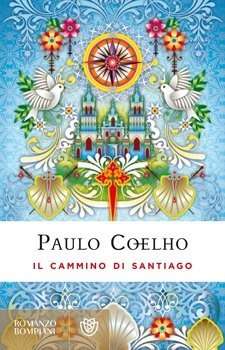
Renowned Brazilian author Paulo Coelho walked the French Way for the first time in 1986 and again in 2006.
A significant portion of his earlier works draws inspiration from experiences gained during the pilgrimage to Santiago.
His first book, published in 1987, is titled "The Pilgrimage (A Journey of Magical Awakening)" and contributed significantly to the growing popularity of the Camino.
However, Coelho is not alone in this mystical connection: in 2012, Charlie Sheen's son (Emilio Estevez) directed "The Way", a film that tells the story of a man who, after losing his son on the Camino de Santiago, decides to undertake the journey to Compostela in honour of his son's memory. Have you seen it?
In this article we've gathered seven fascinating facts about the Camino de Santiago, but there are many more—so many that perhaps we'll write a second article about them 😉
And, for those who might have missed it, we at A Piedi per il Mondo are expert walking specialists dedicated to organising walking tours and, naturally, getting you to Santiago de Compostela in the most comfortable way possible, always taking care of you so you can experience the Camino in an unforgettable way.
You can check out our itineraries or get in touch with us for personalised guidance with no obligation.
Thank you for reading!
Share
apiediperilmondo by wayure
New articles on walks, trekking and hiking trips. Free, no spam.
Redazione
La redazione di Apiediperilmondo. Guide, itinerari e storie nate camminando: consigli pratici, cammini in Italia e nel mondo, letture e spunti per chi viaggia a piedi.
Profilo e tutti gli articoli di Apiediperilmondo