The Via Francigena: Lucca to Siena
Walk a week through two of Italy's most treasured art cities on one of Europe's most iconic pilgrimage routes. Discover medieval history, breathtaking landscapes, and the spiritual heart of the Via Francigena.

In this article
Table of Contents
- Starting point: Lucca
- Distance: 135 km
- Difficulty: Moderate/Hiking
- Number of stages: 6
On this week-long trek, the Via Francigena unfolds across one of Tuscany's most characteristic stretches. Spanning 135km, it is divided into 6 stages.
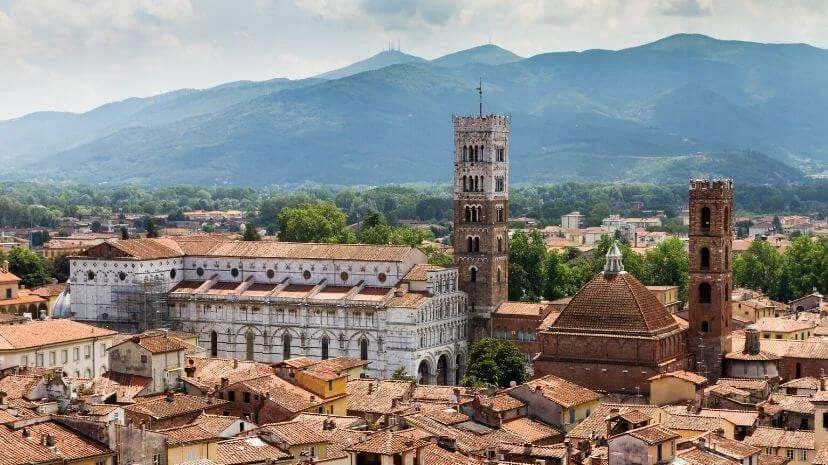
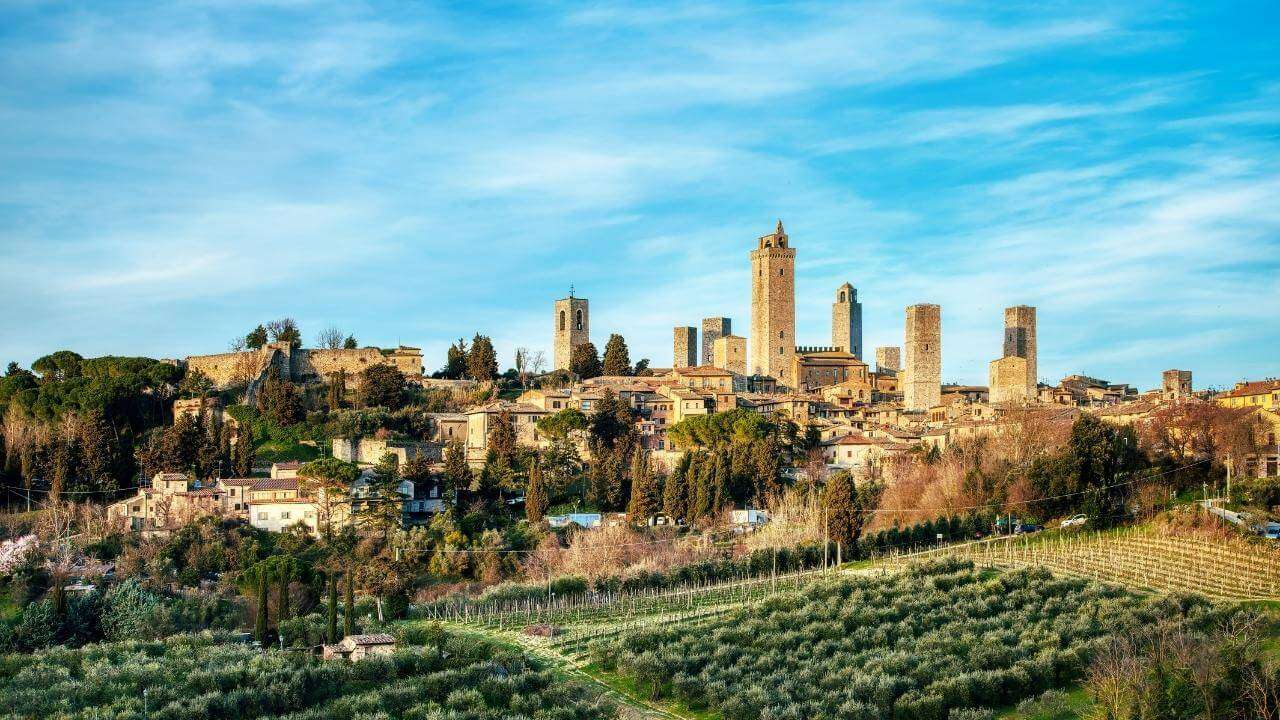
The journey begins and ends in two of Italy's most celebrated art cities, Lucca and Siena. Don't be discouraged by the urban settings—even those walking the route find their own spiritual dimension. Between these cities lies a path that winds through ancient trails and original Roman-era paving, passing through medieval villages like San Gimignano and small communities that the Via has brought back to life.
After an initially urbanised section on asphalt, you begin to breathe the authentic Tuscan atmosphere, with rolling green hills in spring and golden hills in summer. Wheat fields alternate with vineyards producing fine wines. Oak and chestnut forests provide refreshing shade in summer but can become muddy and wet during rain.
Along the route you'll encounter ancient abbeys and parish churches that tell the stories of those who lived these lands and assisted pilgrims of old, rich with testimonies that transport modern pilgrims back through time.
This is one of the most well-trodden sections of the Via Francigena, so you'll likely meet other pilgrims along the way and forge new friendships. Accommodation options are plentiful, reflecting Tuscany's excellent tourism infrastructure.
Want to start from Siena and reach Rome? Read our article on the Via Francigena from Siena to Rome.
Missed the previous section? Read our article on the Via Francigena from Passo della Cisa to Lucca.
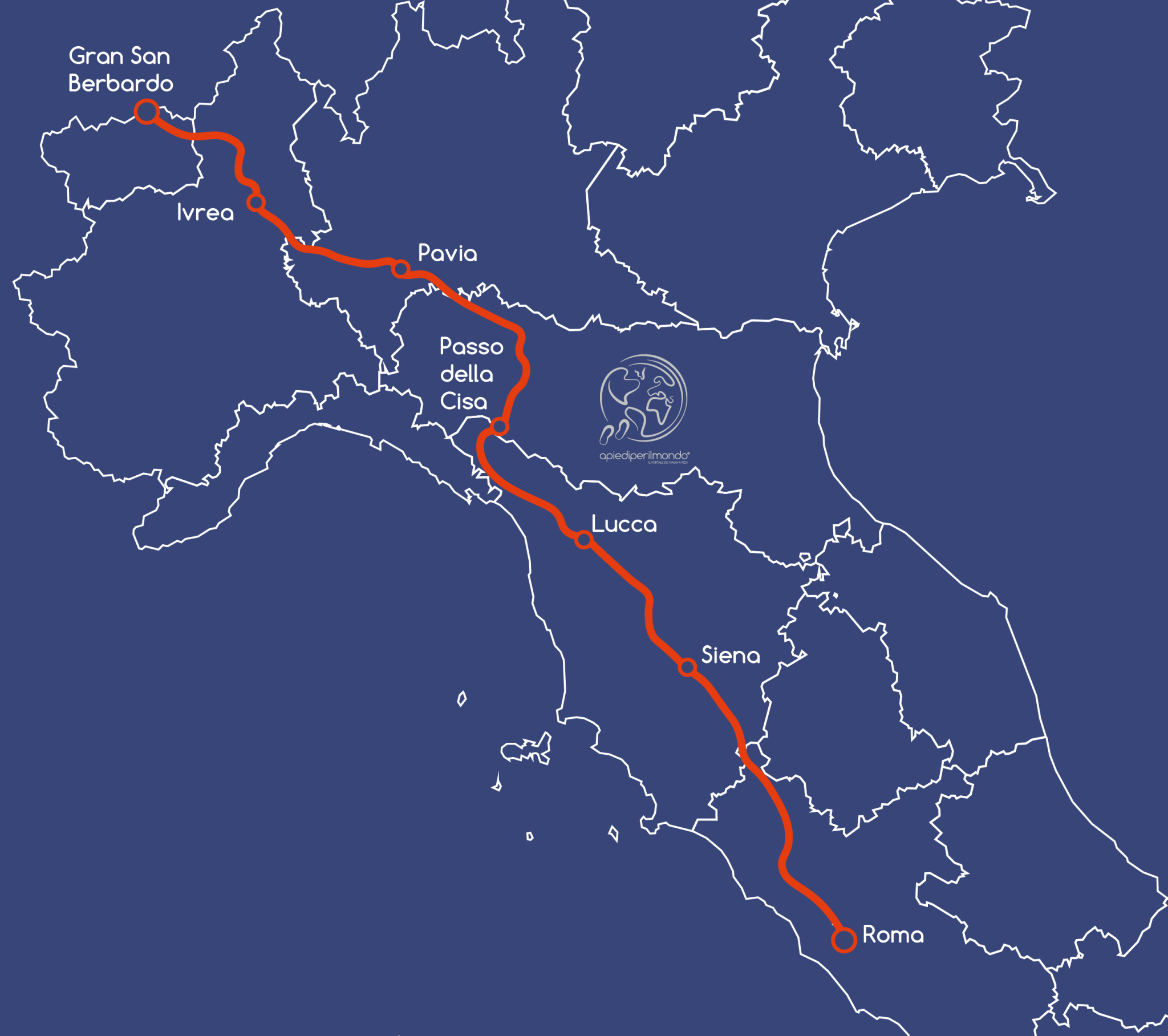
Difficulty Along the Route
As on the previous section from Passo della Cisa to Lucca, the main challenge on the Via Francigena from Lucca to Siena is the continuous ups and downs, with stages largely determined by the distribution of accommodation. On some days it's advisable to start with a good supply of water and packed lunch, as you won't find inhabited settlements along the route.
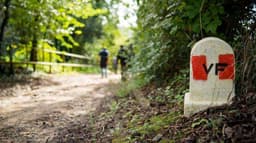
The waymarking is excellent and causes no problems; there are no reported cases of pilgrims getting lost on this section. Asphalt and trails alternate seamlessly, keeping your legs fresh and never tiring the eye.
Where to Stay
On this section of the Via Francigena you'll find historic hospitallers' associations, such as the Ospitalieri di Altopascio, which historically managed numerous hospices throughout the Tuscan section of the route.
Today a thriving network of basic accommodations makes it possible to walk the route without spending much. By forgoing certain comforts, you can sleep in shared dormitories for around €15-20, or even stay on a donation basis.
You also have the option of staying in traditional hotels, bed & breakfasts or guesthouses at an average of €50-60 per room, ensuring you have comfort, peace and privacy.
What to Eat
As throughout the Via Francigena, this section from Lucca to Siena passes through populated areas, so you won't struggle to find grocery shops, bakeries or small supermarkets where you can stock up for lunch during your day's walk.
For dinner, you can rely on small restaurants, tavernas and pizzerias in the villages where you'll spend the night. This region of Tuscany has many specialities, particularly dishes based on wild boar, such as braised boar stew and pappardelle with boar ragù.
Also worth noting are Tuscan crostini topped with chicken liver, capers and anchovies; various types of Pecorino Senese cheese, famous throughout Italy; and Tuscan cured ham with its distinctive savoury flavour that pairs perfectly with the region's characteristic salt-free bread.
Among desserts, panforte is a must—traditionally a Christmas speciality, though nowadays available year-round.
Stages of the Via Francigena from Lucca to Siena
Lucca → Altopascio 18 km
Altopascio → San Miniato 29 km
San Miniato → Gambassi Terme 24 km
You depart from Lucca through the medieval gate of San Gervasio, followed by the 19th-century Porta Elisa. The day unfolds along the reclaimed plains of the Serchio, where marshlands once made walking difficult. You continue on secondary roads through Capannori and cross a long industrial zone until reaching Porcari.
After visiting the beautiful church that overlooks the town from above, the route follows a quiet asphalt road for a few kilometres. You then leave the asphalt for a dirt road that passes through fields to reach the 12th-century Abbey of Pozzeveri.
Within an hour you arrive at Altopascio, below the bell tower of the hospice and the Church of San Jacopo, your day's destination.
The second day of walking passes quickly. The route becomes pleasant first on Roman-era paving that leads to Galleno, then through the forests of the Cerbaie. You reach Ponte a Cappiano, welcomed by a magnificent covered bridge from the Medici era. After crossing it, you follow the canal bank until entering Fucecchio. You can stop here for lunch and take photos from the historic centre's viewpoint overlooking the Arno Valley. This is the second major river the Via Francigena crosses, after the Po.
After crossing the bridge, you walk with the river on your left for a kilometre before returning to asphalt until reaching lower San Miniato, then climbing to upper San Miniato for the night. In good weather you can enjoy panoramic views across the Tuscan hills and see much of the day's route.
The stage from San Miniato to Gambassi Terme is one of the most beautiful on the entire Italian Via Francigena route.
It's completely immersed in nature among forests and vineyards. You won't encounter any towns, so start with water and food for the entire day. You leave the Arno Valley and enter the Elsa Valley, initially walking on broad dirt roads and then on trails through rolling hills whose colours fill the pilgrim's soul.
On this stretch Sigeric spent two nights, so moved was he by the beauty surrounding him. About halfway through the day you encounter the 12th-century Pieve di Coiano and continue on dirt roads travelled by tractors working the vineyards.
In seven
Share
apiediperilmondo by wayure
New articles on walks, trekking and hiking trips. Free, no spam.
Redazione
La redazione di Apiediperilmondo. Guide, itinerari e storie nate camminando: consigli pratici, cammini in Italia e nel mondo, letture e spunti per chi viaggia a piedi.
Profilo e tutti gli articoli di ApiediperilmondoDiscover our itineraries
in Italy.
Via Francigena from Lucca to Siena
Via degli Dei in 5 stages
Via del Sale from Varzi to Portofino
Want a tailor-made itinerary?
Plan your trip