The English Way
Walk the historic English Way from Ferrol to Santiago de Compostela. 118 km across 5 stages of authentic Galician countryside and coastal paths. A spiritual journey less traveled.

In this article
Open Table of Contents
- Starting point: Ferrol
- Distance: 118 km
- Difficulty: T/Hiking
- Stages: 5
The English Way: Ferrol or A Coruña
The English Way begins in Ferrol, more precisely from the ancient medieval port of As Curuxeiras, which was initially used as a port of refuge during harsh weather, and from the 12th century onward saw numerous pilgrims disembark. It was the city of A Coruña, however, only about thirty kilometres away by sea, that held official permissions for the landing of merchandise and pilgrims. From there, then as now, it was possible to set out and rejoin the English Way after 32 km at Hospital de Bruma.
Today, the majority of pilgrims choose to depart from Ferrol, and the numbers prove it. In 2019, more than 15,000 people started from here, making Ferrol the fifth-largest departure city for Santiago de Compostela routes. The main reason is that only by starting from Ferrol can you obtain the Compostela certificate: the English Way from Ferrol is 118 km long, while the route from A Coruña is only 74 km—too short to qualify for the parchment.
The English Way is the perfect route for anyone with just one week to spare, both because it's walkable in only 5 days and because it's a complete journey in itself, not the final section of a longer route. It's precisely for this reason that many prefer it to the Sarria Route (final 100 km of the French Way) and the Tui Route (final 100 km of the Portuguese Way). Certainly, compared to the other two, the English Way has far fewer services and accommodations, but if you bring along a bit of adaptability, it can offer profound rewards.
Stages of the English Way from Ferrol
The English Way is 118 km long and can be divided into 5 or 6 stages. Unfortunately, the choice of stages is dictated by the conditions of the route, which has few facilities and those only in urban centres. This situation naturally impacts the decision to undertake this walk, especially considering there are two stages of 30 km and 28 km respectively. If you decide to walk the English Way, you need to be fully aware of this.
1b. Ferrol – Neda | 16 km
2b. Neda – Pontedeume | 14 km
- Ferrol – Pontedeume | 30 km
- Pontedeume – Betanzos | 20 km
- Betanzos – Hospital de Bruma | 28 km
- Hospital de Bruma – Sigüeiro | 24 km
- Sigüeiro – Santiago de Compostela | 17 km
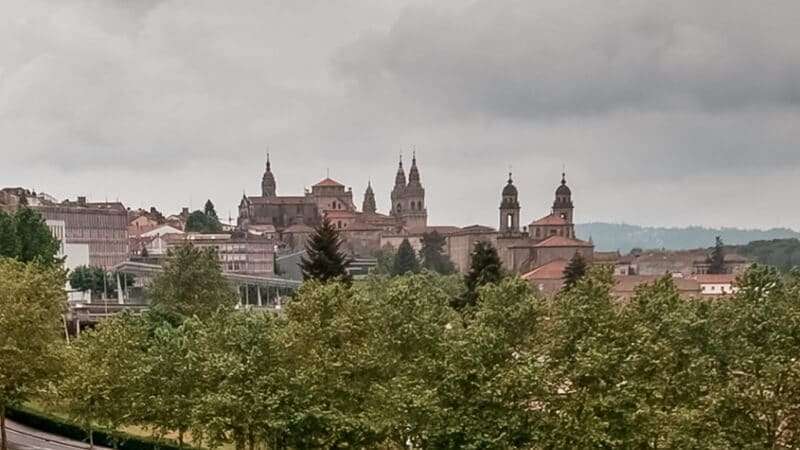
The English Way hugs the ocean for the first 50 km, passing through seaside towns like Miño, which boasts numerous blue flags for its beaches, and places more closely tied to history and cultural and architectural heritage. Until Betanzos, the last coastal town, we pass through many villages and encounter plenty of refreshment stops.
The situation changes as we venture into more inland areas, where 2-3 hours can pass without finding a village or settlement. Indeed, this is a walk that, especially in its second half, offers precious moments of solitude.
Difficulty of the English Way
The English Way is a low to moderate difficulty route that can be classified as Tourist/Hiking level on the hiking difficulty scale. That said, I wouldn't recommend it to first-time walkers with no previous long-distance trekking experience. It's not so much about physical fitness as it is about the scarcity of services and the inflexible stage structure. Here's a list of the challenges you'll face on the English Way.
- Elevation gain – The total elevation gain and loss on the English Way is 3,900 m, sitting exactly between the Tui Route (the easiest of the 100 km options) and the Sarria Route (the most demanding). This isn't high elevation gain, especially spread over 5-6 days of walking, but you'll need some basic fitness. If you're unsure how to interpret elevation data in terms of effort, I recommend taking a mountain walk first and measuring the time and elevation with a sports watch or app. This will help you read an itinerary's altitude profile with confidence and prepare accordingly.
- Walking multiple consecutive days – Walking day after day requires significant physical effort, quite different from a single challenging mountain hike. The fact that after one walking day, instead of rest you face another day of walking—perhaps more strenuous—really makes a difference, trust me! The right approach is to slow your pace, walk at your own rhythm, don't overexert yourself, take breaks during stages, and leave hurry behind.
- Fixed stages – The rural nature of this route and the scarcity of villages and towns, especially in the second half of the trail, means there are few accommodation options. This means the daily stages are largely predetermined. So if you're tired one day and want to walk fewer kilometres, you won't find any lodging along the way. You need to be prepared to complete your designated stage regardless of how you're feeling that day.
- Limited services – The lack of villages and therefore services—such as cafés and refreshment stops along the route—makes the English Way a solitary experience and not ideal for beginners. Having people around and access to help if needed is important for inexperienced walkers.
- Backpack of 7-8 kg – Walking multiple days in succession over a rolling route, even with modest elevation gain, becomes significantly more challenging with a 7-8 kg backpack. First, carefully select what to pack and try to lighten your load to a maximum of 6 kg. Some training walks with a loaded pack before you depart are also recommended.
When to Walk the English Way
The English Way traverses nearly 120 km through Spain's greenest and wettest region, Galicia. Be prepared for abundant rainfall year-round, especially between October and April. Regardless of when you depart, I recommend always carrying a rain cape so you're ready if showers come. Check the forecast before you leave, and if rain is predicted, pack good rain gear. In wet conditions, the trails become quite muddy, so watch your step!For more packing tips, see the article "What to Pack for the Way of Saint James".
Share
apiediperilmondo by wayure
New articles on walks, trekking and hiking trips. Free, no spam.
Co-fondatrice, Apiediperilmondo
I've been organising walks since I discovered that walking slow is the fastest way to know a place. I take care of every logistical detail so you can focus only on the steps ahead.
Profilo e tutti gli articoli di DeborahDiscover our itineraries
in Camino de Santiago.
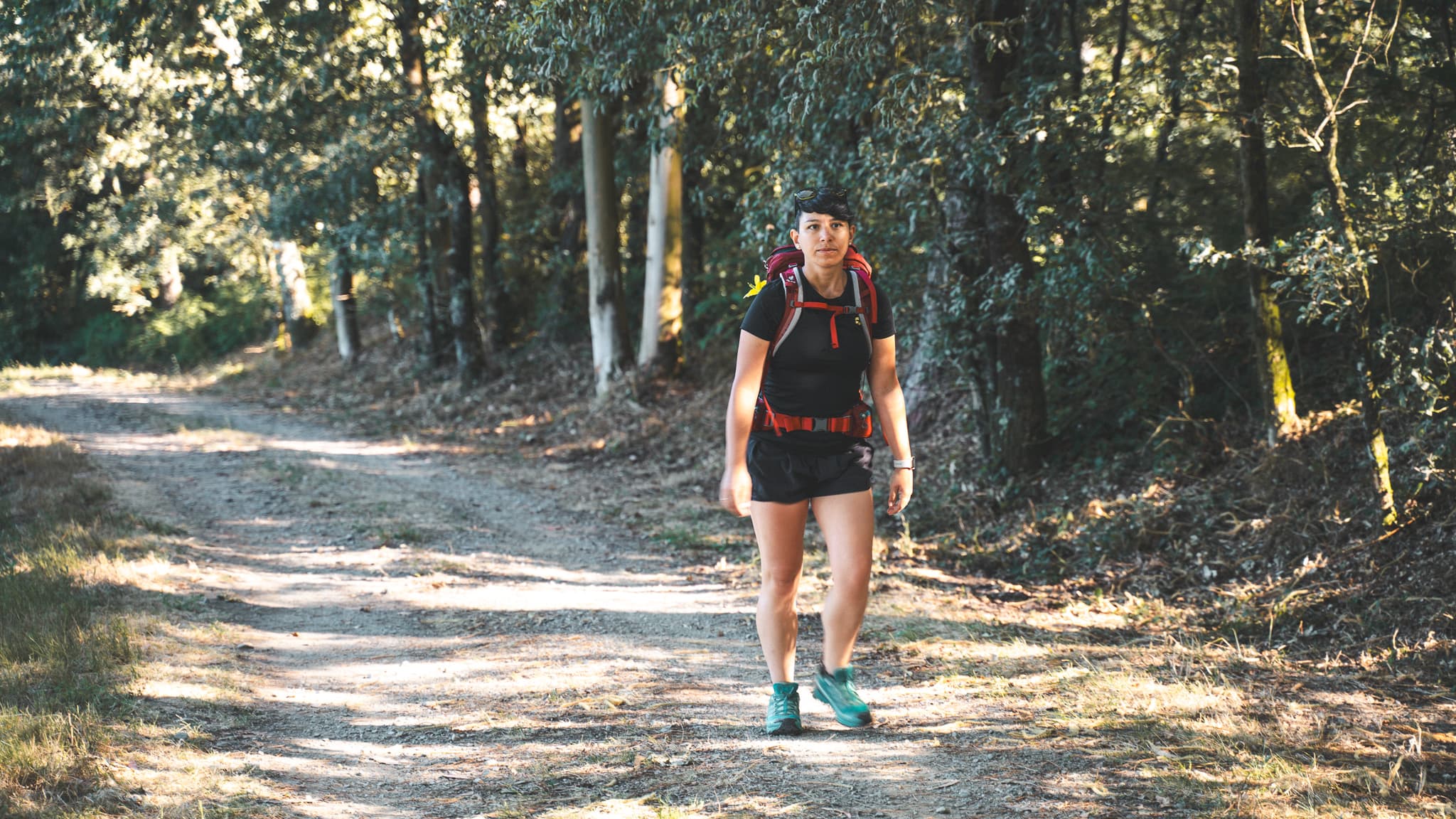
English Way from Ferrol
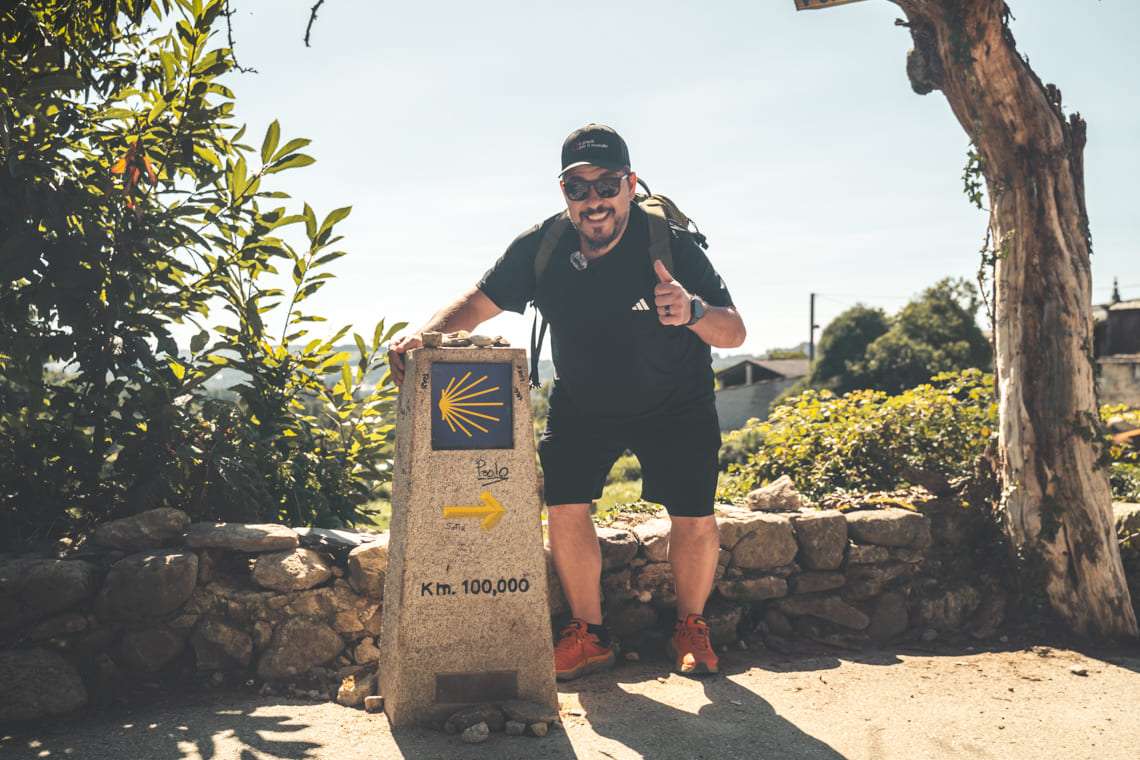
Camino de Santiago from Sarria - Last 100 km
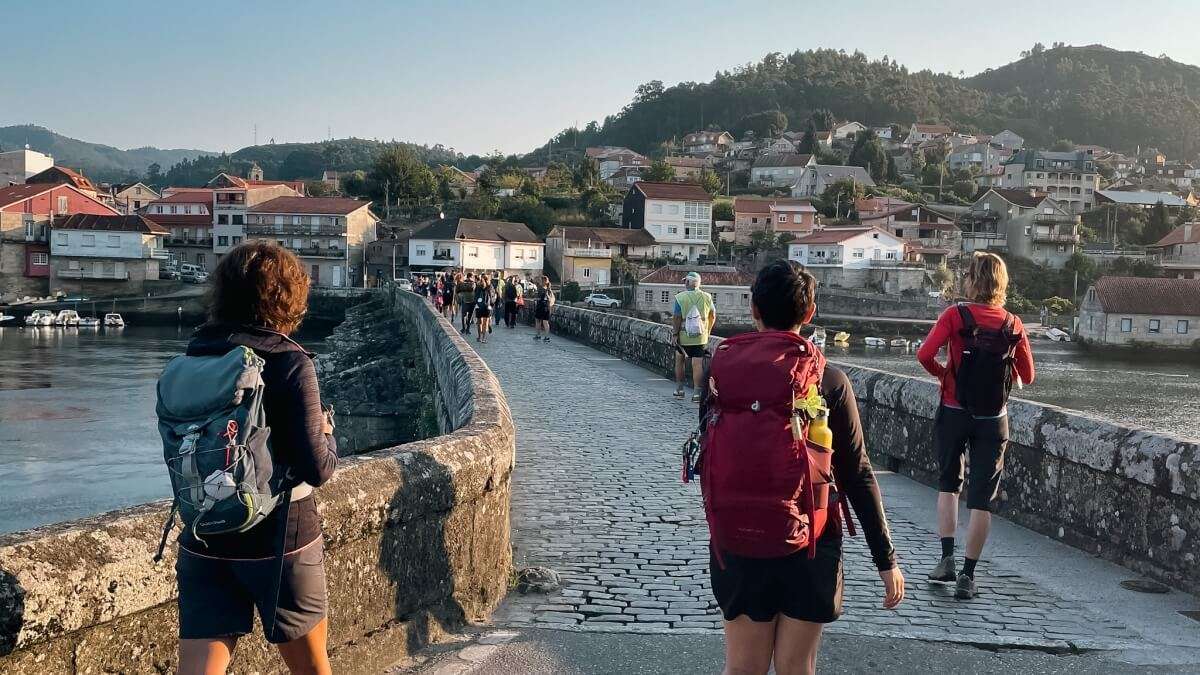
Portuguese Way from Tui - Last 100 km
Want a tailor-made itinerary?
Plan your trip