Camino de los Faros – Coastal Trekking in Spain
Discover an unforgettable trek along Spain's legendary Costa da Morte, where ancient lighthouses guide you through dramatic cliffs, golden beaches, and wild Atlantic landscapes on the stunning Camino de los Faros.

In this article
Open Table of Contents
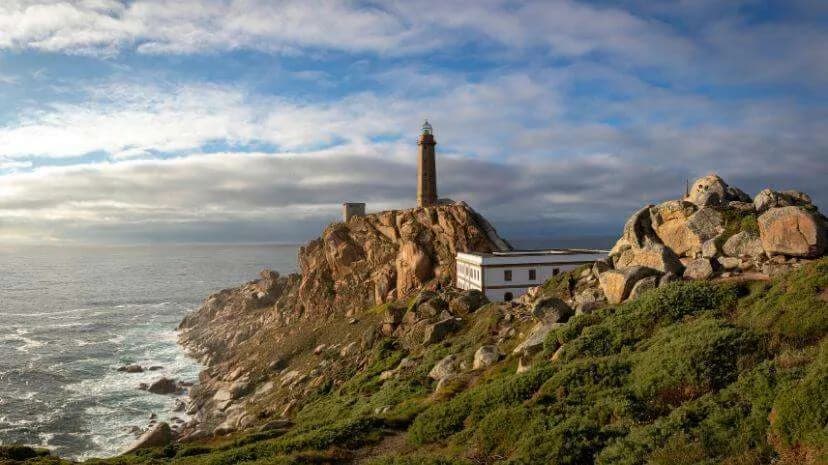
The Lighthouse Trail, also known as Camino dos Faros or Lighthouse Way, is a genuine trekking adventure, created to guide walkers through one of Spain's most spectacular and wild coastlines—the legendary Costa da Morte. Located in the province of A Coruña, in Galicia, in the far north-west of Spain, this region is bathed on two sides by the Atlantic Ocean and is so lush and verdant it could rival Ireland itself.
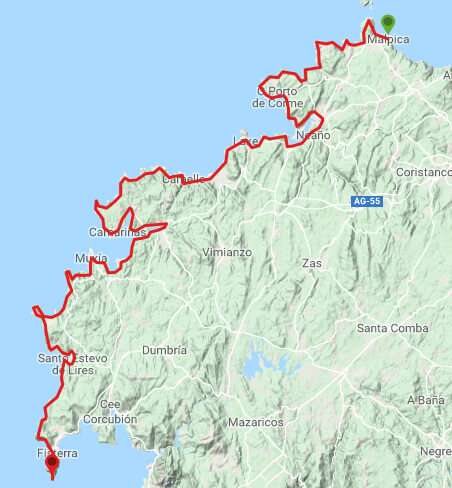
Stretching approximately 200km and requiring a minimum of 8 stages, the Lighthouse Trail connects every lighthouse along the coast between Malpica and Finisterre. Although the stage lengths and numerous ascents and descents make it challenging terrain, it's possible, with careful planning, to design a more accessible itinerary tailored to your abilities. The trail is well-marked throughout, and at the end of each stage you'll find hotels and guesthouses offering comfortable overnight accommodation.
Important note: despite its name, this is not a Camino de Santiago but rather a trekking route, which means you won't find traditional pilgrim hostels or budget accommodation along the way. This is therefore an experience requiring a moderate to good budget.
Stages of the Lighthouse Trail
The Lighthouse Trail is typically divided into 8 stages, ranging from 17km to 32km in length. These are mandatory stages with nothing but pristine nature between them. Each stage endpoint corresponds to a village or location with accommodation options. Here's a breakdown of the stages:
- Stage 1 _ Malpica to Niñons
- 22km +460m -445m
- Stage 2 _ Niñons to Ponteceso
- 26km +515m -510m
- Stage 3 _ Ponteceso to Laxe
- 25km +425m -425m
- Stage 4 _ Laxe to Arou
- 17.5km +200m -210m
- Stage 5 _ Arou to Camariñas
- 23km +300m -300m
- Stage 6 _ Camariñas to Muxía
- 32km +470m -460m
- Stage 7 _ Muxía to Nemiña
- 24.5km +915m -900m
- Stage 8 _ Nemiña to Cabo Finisterre
- 26km + 815m -600m
If the difficulty level feels too demanding or you'd prefer shorter daily walks, it's entirely possible to customise your itinerary with adapted stages and strategic transfers between points on the route.
Check out our organised journey package to learn more.
Difficulty Level of the Lighthouse Trail
The Lighthouse Trail, in its classic form, is graded as challenging trekking (E difficulty). This means it is not suitable for everyone. You'll need solid physical fitness, appropriate gear, and ideally some previous experience with multi-day walking—even just a couple of days will help you understand your endurance capacity and how to manage challenging moments on the trail.
Let's examine in detail what makes the Lighthouse Trail demanding:
- Total elevation gain of 7,950m – across the entire trail's 8 days of walking, you'll accumulate approximately 7,950m of combined ascent and descent. That's an average of 1,000m of elevation change per stage. While the maximum altitude reached is only 290m, the relentless ups and downs from sea level make this accumulation very demanding.
- Variable and sometimes challenging terrain – the Lighthouse Trail traverses diverse surfaces: sandy beaches, slippery rocks (especially in rain or humidity), simple earth paths, and occasionally treacherous footing. You must constantly watch your step and never take the ground for granted.
- Remote and isolated stretches – the Lighthouse Trail's greatest appeal lies in its distance from villages and settlements, threading through pristine, untamed landscape. This is a tremendous advantage for those who love solitude and unspoilt nature, but it also means you'll walk in isolation much of the time and need some self-reliance if difficulties arise. It's essential to stay alert and keep your phone accessible. Having accommodation pre-booked is reassuring—if you're delayed or don't arrive, the hotel will take action to check on you.
- Unpredictable weather and rain – abundant rainfall and its unpredictability make the Lighthouse Trail potentially hazardous. You must exercise caution and be prepared to abandon a walking day if weather conditions don't permit safe passage (particularly during winter months).
- Backpack weight of 7-8kg – difficulty increases with backpack weight, as a heavier pack slows your pace and increases fatigue-related inattention and mistakes—a risky combination on uneven terrain. This weight estimate is based on essentials for a week of trekking plus provisions for at least 2 litres of water, as water sources are scarce on the route.
Trail Markings on the Lighthouse Trail
The Lighthouse Trail is clearly marked throughout with green arrows painted on rocks and trail markers. While green does blend with Galicia's lush surroundings, paying close attention will prevent any navigation issues.
For extra peace of mind and to minimise the chance of getting lost, download the GPX tracks of the route onto your phone and consider bringing a printed guidebook (currently available in German and English). Studying the route in advance—understanding each stage, the terrain you'll cross, and navigation landmarks—is also invaluable for building confidence before you depart.
Best Time to Walk the Lighthouse Trail
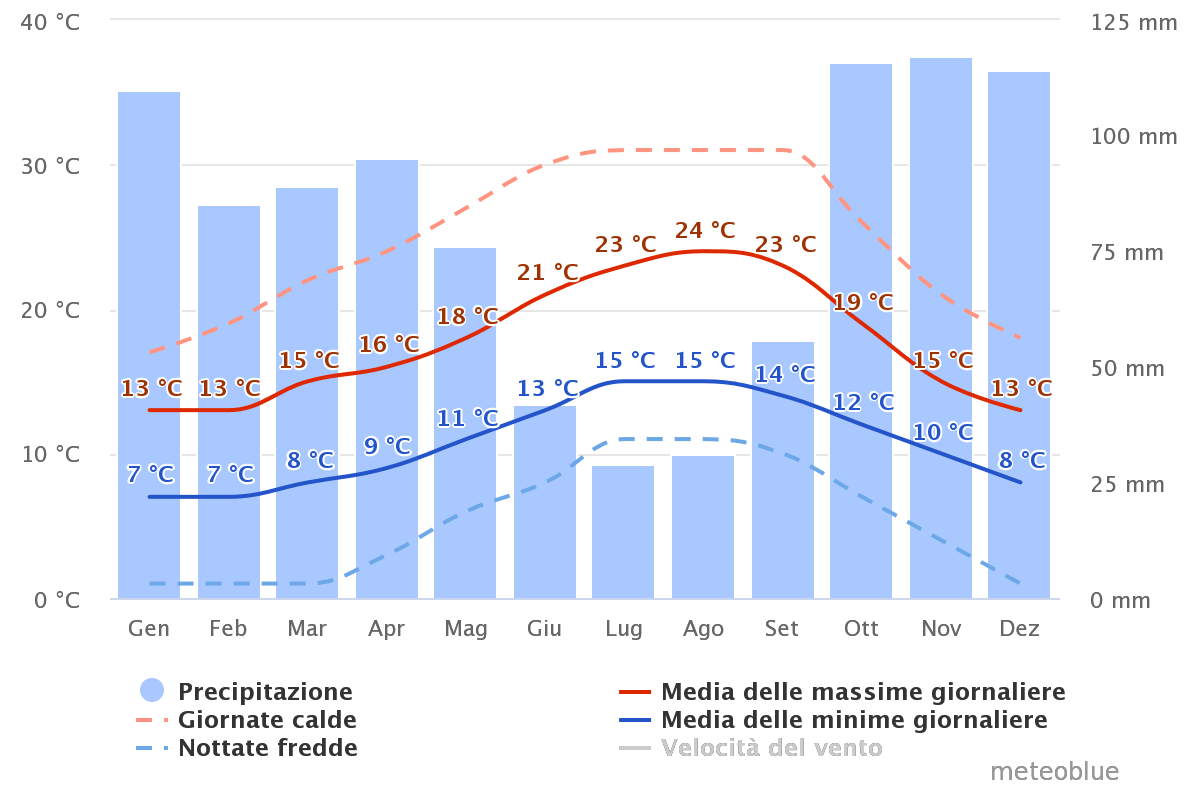
The Lighthouse Trail runs along the coast of one of Spain's wettest and most humid regions, so expect a strong possibility of rain even in summer. Thanks to the Atlantic's moderating influence, temperatures rarely drop below freezing, virtually eliminating snow risk. However, winter coastal walking can be hazardous due to strong winds, storms, and constantly wet underfoot conditions.
The ideal season for the Lighthouse Trail is May through September: sunny days, long daylight hours, reduced rainfall probability, and calmer seas all work in your favour during these months.
Where to Stay on the Lighthouse Trail
Accommodation is available at the end of each stage along the Lighthouse Trail. With rare exceptions (where a hostel or two exists), lodging consists of hotels and guesthouses. Some properties can arrange both breakfast and dinner. Since accommodation options are limited and modest in size, I strongly recommend booking in advance to ensure availability for your chosen dates.
Why the "Coast of Death"?
The name Costa da Morte (Coast of Death) derives from the often treacherous maritime conditions and the coastline's dramatic formation: sheer rocky cliffs plunging into the Atlantic, combined with numerous offshore rocks and islets. This nomenclature echoes fishermen's accounts from centuries past and reflects a tragic history of shipwrecks. Galicia's coastline is renowned for its jagged, fractured character—rocky headlands jutting out to sea with scattered islets close to shore, features that made navigation historically perilous for ships and contributed to countless maritime disasters.
Share
apiediperilmondo by wayure
New articles on walks, trekking and hiking trips. Free, no spam.
Co-fondatrice, Apiediperilmondo
I've been organising walks since I discovered that walking slow is the fastest way to know a place. I take care of every logistical detail so you can focus only on the steps ahead.
Profilo e tutti gli articoli di DeborahTurn this inspiration into a real journey.
Tell us about your dream walk: we will build the itinerary together.