Top 5 Trekking Routes in Sweden
Explore Sweden's untamed wilderness on foot through these 5 essential treks. Experience Europe's last true frontier—wild, pristine, and unforgettable.

In this article
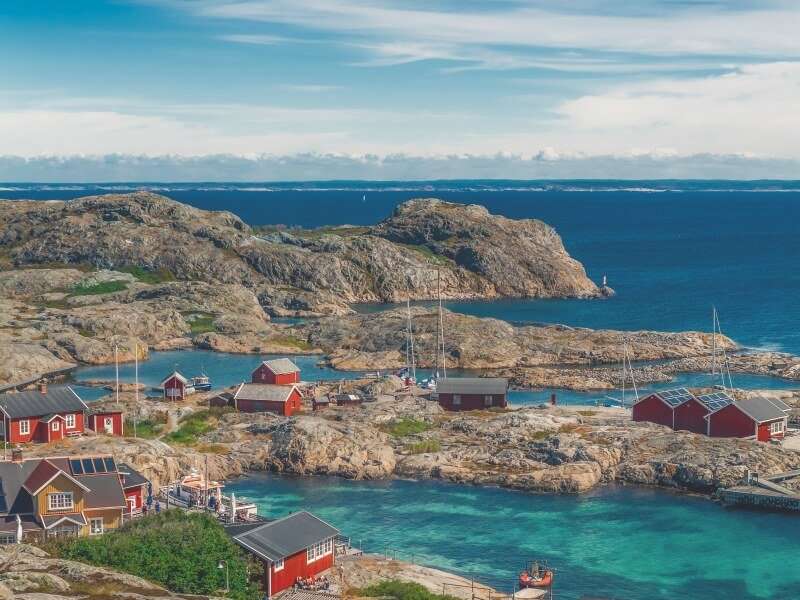
Sweden is the ideal destination for those seeking outdoor walking adventures in pristine wilderness and discovering spectacular landscapes. Nestled in Europe's deep north, Sweden boasts remarkable natural wealth: with its lakes and rivers, forests and mountains, every activity offers an exhilarating experience.
In fact, approximately 75% of the country is composed of completely unspoiled territory, which includes around thirty national parks. Furthermore, Swedish constitutional law guarantees "the right of public access to nature," allowing everyone to freely enjoy activities such as trekking, canoeing, skiing and wild camping, provided they respect and preserve the environment.
Yet you need not venture far from the cities to breathe fresh air and enjoy forests and waterways. Within the Stockholm district alone, the nation's most populated area, countless nature reserves can be found within the Riddarfjärden bay, where the city stands and is known as the "Venice of the North" for its water-based setting.
Sweden, like Norway, is set to become entirely independent from fossil fuels within a few years thanks to continuous structural development and citizen awareness raising. The country strongly believes in the possibility and necessity of becoming self-sufficient and eco-sustainable—a deeply felt priority throughout Northern Europe.
Clearly, this country offers diverse opportunities for walking in close contact with nature. Let's explore the five best treks in Sweden.
The King's Trail in Lapland: the Kungsleden
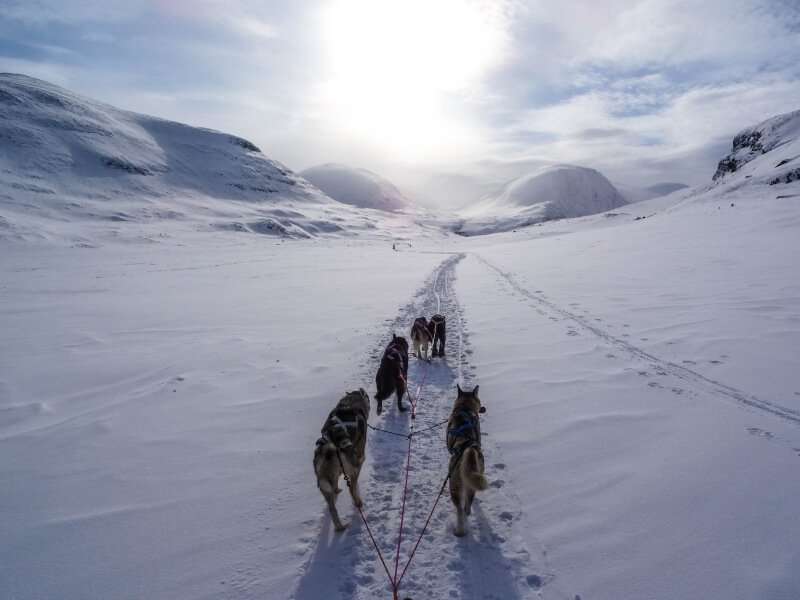
The Kungsleden is a world-renowned trek and Sweden's most celebrated trail. Spanning 400km, it's located in the country's north, specifically in legendary Swedish Lapland, representing a sublime and almost ancestral journey through one of Europe's most wild and pristine places—a true final frontier of wilderness.
The Kungsleden (or King's Trail), designed by the Swedish Tourism Organization in the early 1900s, winds along the mountain range bordering Sweden and Norway, through vast, often uninhabited terrain where nature's powerful voice resonates distinctly: birch forests, endless meadows, lakes and streams, mountains with gentle slopes. Human presence in these landscapes is almost intrusive; we are merely tolerated guests.
The trail departs from Abisko, a town in Lapland, and terminates in the south at Hemavan, right on the Norwegian border. The Kungsleden consists of multiple interconnected routes, all well-maintained and designed for trekkers with clear markings, bridges and walkways, hostels and mountain huts for rest and overnight stays. This route can be broken into shorter sections, but even undertaking the complete journey means walking a moderately challenging trail—never steep in intensity—requiring only basic fitness and trekking experience, plus essential adaptability skills and tremendous energy and curiosity about what lies beyond the next horizon. In its entirety, the trail passes through four national parks: Abisko, Stora Sjöfallet, Sarek and Pieljekaise. During your trek, you'll likely encounter reindeer herders with their grazing herds.
It's the dream of many hikers inspired by its dramatic landscape and intrigued by its primitive character. After all, nature always rewards us with magnificent moments, and you needn't be a great explorer to experience the simple yet profound emotions a journey provides.
The ideal season for this Swedish trek runs from May to September, during milder months when sunset comes late. Daily stages of 20-25 km are recommended.
The Roslagsleden Trail
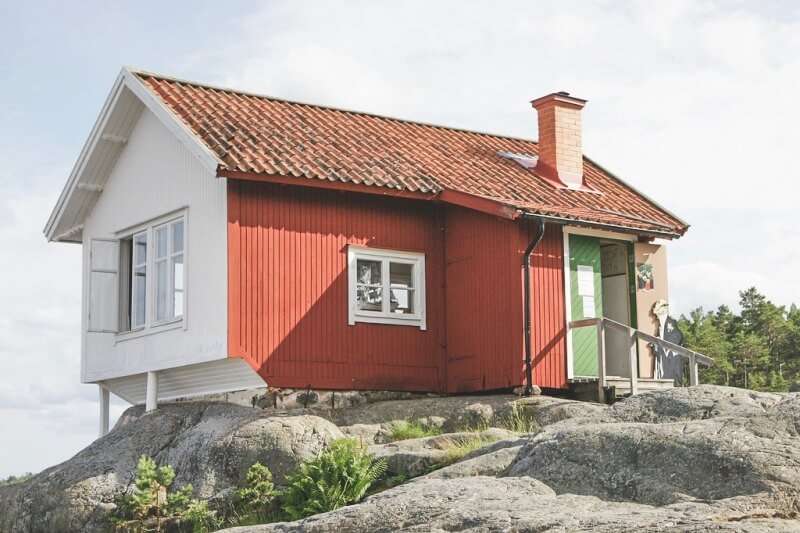
Another of Sweden's most captivating treks lies just a few kilometres from central Stockholm. The route, 130 km long, begins in the country's capital and extends northward, passing through forests and hilly landscapes, skirting communities and villages.
Hiking is undoubtedly the finest way to heed nature's call, and this area offers the chance to discover an ancient people's culture and traditions. Along the trail you'll encounter enchanting scenery: from lush forests and serene lakes that seem frozen in time, where life flows gently, to medieval churches and Viking cemeteries eager to share their dormant history echoing from the past.
Roslagsleden, expanded since 1977 with its most recent section inaugurated in 2009, is well-marked and crosses six municipalities, making it easily accessible: the trail runs from Danderyd church, passes through Norrtälje, climbs toward the Väddö Canal and terminates in beautiful Grisslehamn.
Along the way, always feel free to craft your own day according to how you feel physically or what ambitions drive you. Yet sometimes you must also know when to switch off mentally to fully immerse yourself in the landscape hosting you. This is not a difficult or particularly long trek; completable in about a week with daily stages of around 20 km, though I believe this is a journey best experienced with an explorer's heart.
You'll hear the flutter of history's wings, contemplate the runic stone carving crafted by forest communities, and travel constantly with the wonderful sensation of freedom and grandeur offered by nature.
Visit the website to learn more about the Roslagsleden Trail
The Jämtland Triangle
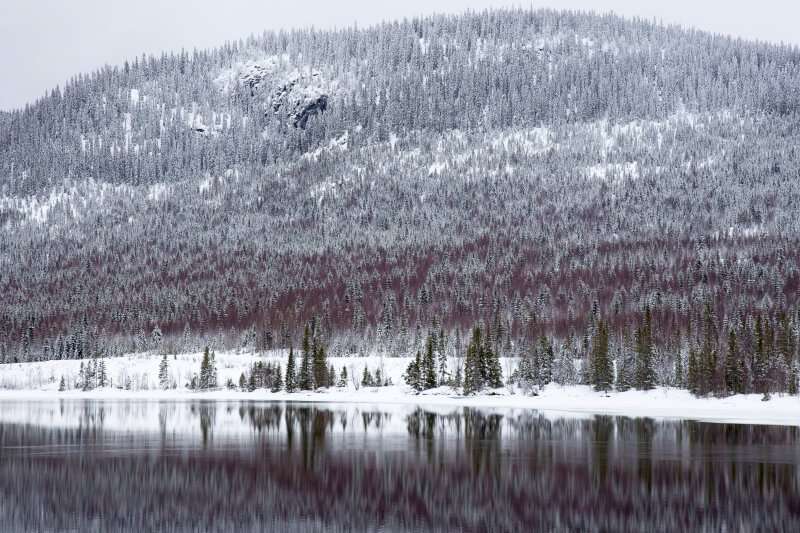
The Jämtland Triangle is one of Sweden's best-known treks. Located in the country's centre, it covers approximately 47 km across the eponymous mountains, starting and finishing from the town of Storulvån in the Östersund region, and passes near famous ski resorts such as Sylarna and Blåhammaren.
Jämtland is certainly not renowned for its nightlife, but it allows you to step back in time, appreciating mountain farming communities, spotting free-roaming reindeer, tasting local cheeses and regional delicacies, and discovering the area's history in Östersund's military museum.
This is the perfect destination for fishing enthusiasts, especially during late summer when trout appear in the waterways at dusk, waiting for mayflies to hatch.
Jämtland offers distinctive hiking trails touching various small towns, though the most famous remains the triangular route from Storulvan. This excursion is in no way demanding: with alpine flora along the path and rocky gorges overlooking rushing streams, you'll savour every step of this exhilarating trek, always well-marked and accessible to all.
The highest peak in the area is Helags, home to Sweden's southernmost glacier at 1,797 metres elevation. Sonfjället in Härjedalen is the region's national park, protecting some fifty nature reserves. Lake Storsjön in central Jämtland Härjedalen is Sweden's fifth-largest lake, covering 456 square kilometres.
Sámi culture is strongly present, and with its twelve villages, rich history and traditions, it has profoundly influenced the region, which today brims with culinary innovators: award-winning breweries, herders, delicious dairies, bakeries and restaurants showcasing local cuisine. It's no surprise that the Östersund area is among the world's creative gastronomic cities (UNESCO-recognised, it's the European region with the most organic producers).
The Siljan Trail
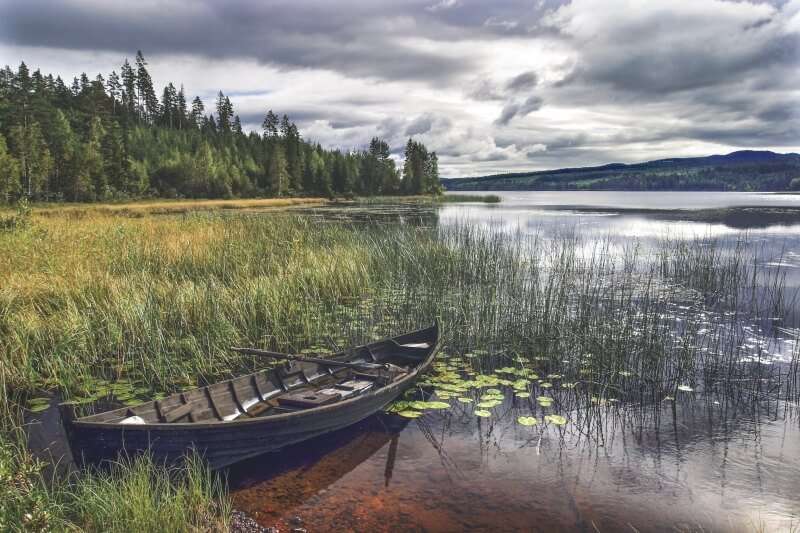
The Siljan Trail in the Dalarna region winds for approximately 340 km around the jewel of Lake Siljan, a lake of meteoritic origin, passing through the villages of Zorngården and Tällberg, reaching Rättvik and finally Lake Orsasjön, where the trek concludes with an easy 40 km walk through harmoniously natural scenery. Careful waymarking makes this accessible even to novice trekkers. The best season remains May through September.
Important note: this Swedish trek follows part of the European E1 long-distance trail.
From the highest vantage point, Mount Gesunda, your gaze will sweep across an enormous green carpet, punctuated by modest grey stone peaks covered in lichen moss and scattered villages nestled entirely within nature. Clear skies and crisp air complete an invariably attractive picture.
More than 900 km south of Lapland, this region, nicknamed "Little Sweden" because its territory preserves various characteristic features both in terms of traditions and folk architecture and in protecting local flora and fauna through numerous reserves, offers vast and pristine landscapes. This constant primordial contact with nature creates a sense of boundlessness throughout your journey, opening your mind and allowing you to perceive the space around you in an entirely different way. Here, no one is master—least of all humanity.
Each summer, Lake Siljan fills with tourists drawn to music through a series of events and concerts called Musik vid Siljan held on the lake's shores; this magnificent setting in a natural environment attracts diverse activities including horseback riding, fishing, canoeing, kayaking, and mountain biking. Don't miss Europe's largest predator park, Orsa Grönklitt, north of Lake Siljan, visited by 100,000 people annually.
Another attraction is the Fulufjället National Park, the region's most important protected area, where you can see Njupeskär, a spectacular waterfall tumbling from a 90-metre plateau. The nation's highest waterfall, it's protected by a cliff face that appears carved by a giant spoon. This park alone offers 140 additional kilometres of trails and mountain accommodation options.
The Emigrant's Trail: Utvandrarleden
Share
apiediperilmondo by wayure
New articles on walks, trekking and hiking trips. Free, no spam.
Redazione
La redazione di Apiediperilmondo. Guide, itinerari e storie nate camminando: consigli pratici, cammini in Italia e nel mondo, letture e spunti per chi viaggia a piedi.
Profilo e tutti gli articoli di ApiediperilmondoTurn this inspiration into a real journey.
Tell us about your dream walk: we will build the itinerary together.