A Piedi Per Il Mondo
Article

Pain on the Pilgrimage Trail? Smart Prevention Strategies That Work

A physiotherapist-pilgrim shares the most common hiking injuries and practical solutions to prevent and manage them on your journey.

AP

A Piedi Per Il Mondo

May 15, 20174 min760 wordsUpdated May 27, 2026
#benessere#cammino-di-santiago
Pain on the Pilgrimage Trail? Smart Prevention Strategies That Work
```html

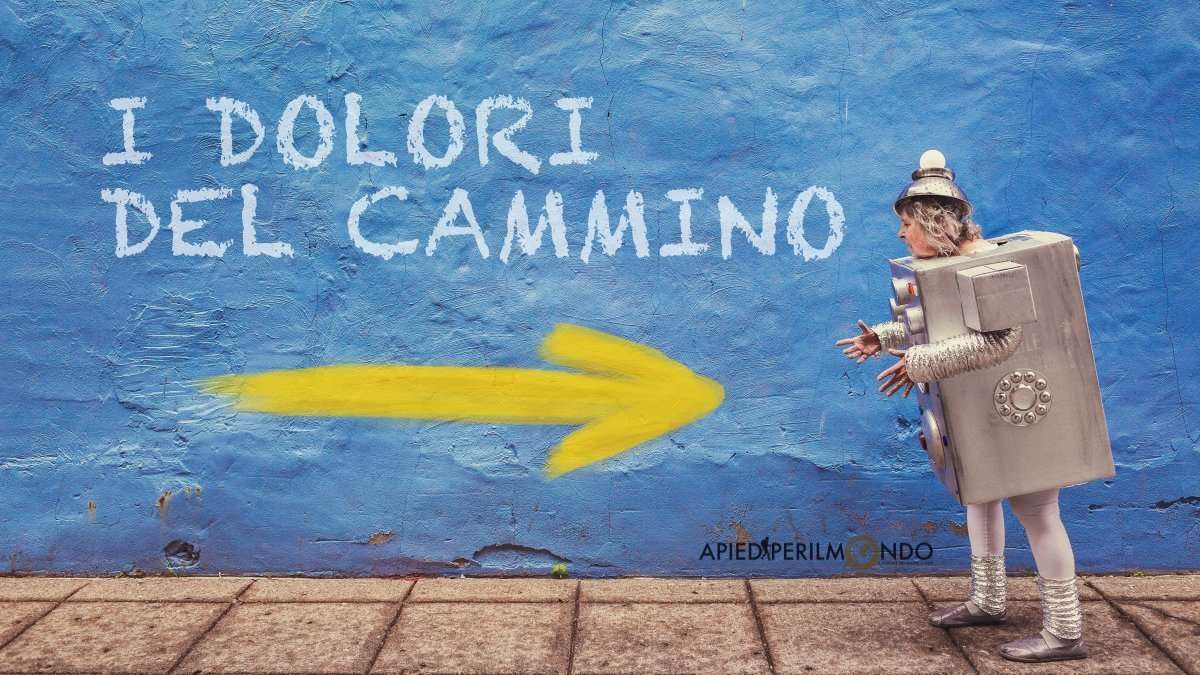
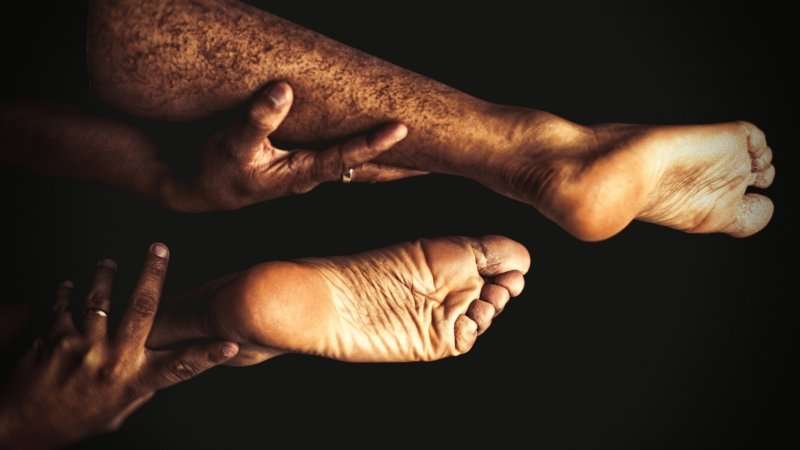
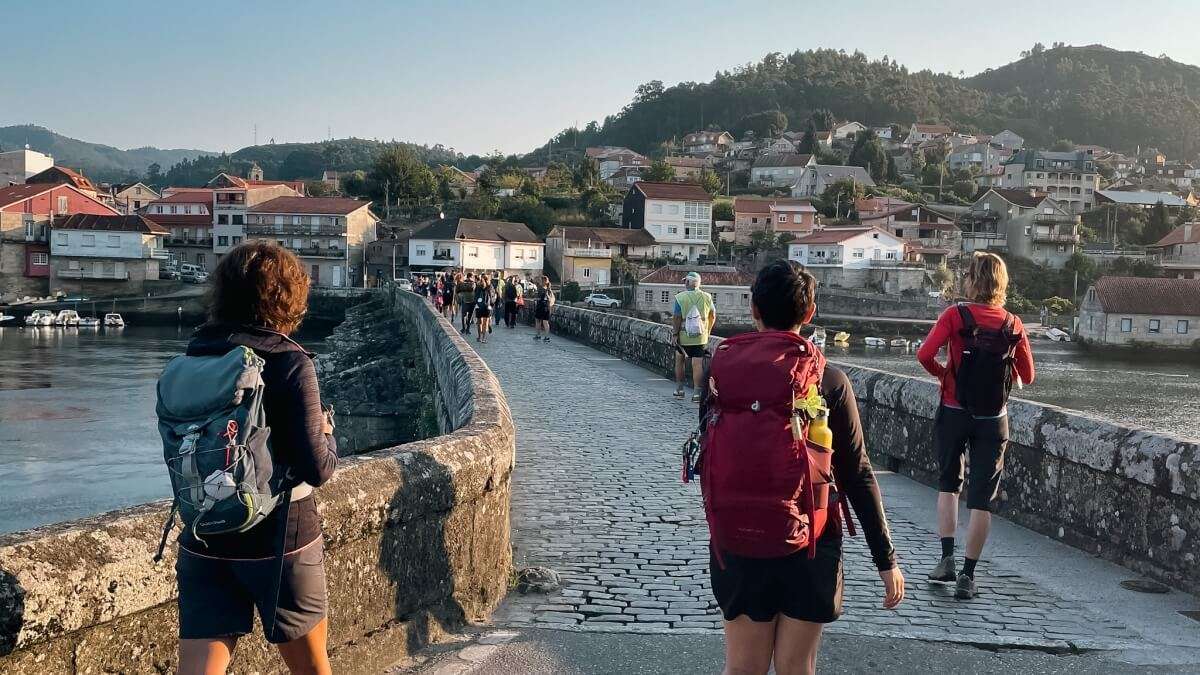
"Everything hurts, I have pain in muscles I didn't even know I had!" How many times have I heard these words on the pilgrimage route, in various languages, with more or less colourful expressions, but every pilgrim utters them at least once along their journey! This is fundamentally because we are mostly pilgrims and not athletes, there is simply not enough training to cope with such prolonged physical stress for us "ordinary mortals", and so the fatigue eventually catches up with us everywhere! Obviously the legs and feet are the areas most affected by the aches and pains of pilgrimage, but we can still prevent them or try to reduce their effects—which, if neglected, could sideline us for days or even make us abandon the whole endeavour!

One thing we should all remember is that muscle is composed mostly of water, so if we want to keep it in good condition it needs constant hydration. Drinking, therefore, is the first and foremost precaution to take, and perhaps by far the most important.

Drink regularly, even if you don't feel particularly thirsty—thirst is one of the first signs of dehydration, so often when you're thirsty, it's already too late!

"I've seen things you humans can't imagine …" I've watched office workers, homemakers, students for whom the word "sport" was synonymous with "I take the stairs instead of the lift", shoulder a backpack (see what to pack in your backpack) weighing 9 kg and tackle 30 km on the first day, 25 km on the second, then be unable to move a single voluntary muscle by the third!!! Take it slowly!!! The first days are crucial. 


I said earlier that there's no adequate training for pilgrims, well, that's not entirely true—training happens during the first days on the road. Feel out your pace, your endurance, the weight you're carrying, give your body time to adapt to this new condition. It requires a kind of break-in period. This won't shield you completely from pain, but it will allow you to face it with greater clarity and put the right strategies in place to resolve it as quickly as possible.

Because pain on the Road, inevitably, will come!

pain on the pilgrimage route

The most classic of all problems is blisters, but I don't have much to say about them beyond "walk in comfortable shoes". And mind you, it's not guaranteed that the most technical shoe is the right one for you—test it, wear it every day for at least a month before you leave, it needs to become your shoe!

But blisters certainly won't stop us, will they?! Drain them, tape them, bandage them, wash them with salt water—there's no point giving you advice when you'll try everything anyway until they simply heal and you get back to clocking up the kilometres! And that's when the serious discomfort arrives.

Tendinitis??! What is it and how to solve it

pain on the pilgrimage route

The biggest problem is tendinitis.

Tendinitis is an inflammatory process affecting the sheath that covers the tendons, caused by excessive mechanical muscular stress. And it's always lurking along the Road!

Most of the time it's due to

  • Inadequate physical preparation— there are few athletes on pilgrimage routes, the rest are simply pilgrims
  • Pilgrims mostly have overweight bodies and poorly conditioned muscles, a fairly widespread situation
  • Excessive physical exertion such as walking 6 to 8 hours daily for multiple consecutive days
  • Walking on uneven, hard, slippery terrain or overly soft surfaces like sand or gravel
  • Wearing inappropriate footwear
  • Too much load from a backpack that's either too heavy or unbalanced!

So you see, each and every one of us is a potential victim of tendinitis during our pilgrimage!

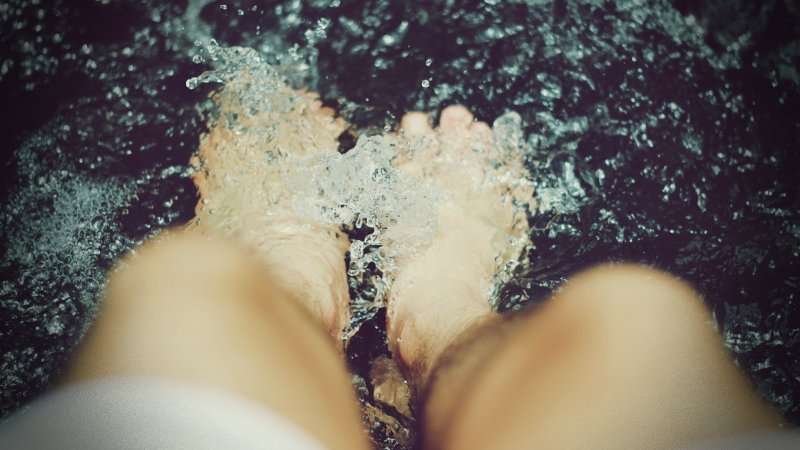
At this point it doesn't matter so much which tendon is inflamed—you need to act immediately! And what works best is cold; use ice or immerse your legs in springs or water courses you find along the way, then reduce your pace and distances! Sometimes taking a day off is worth it. Rest and ice, therefore, are your most valuable allies in fighting this battle.
And once you've recovered physically, and spiritually too (I assure you that being able to walk properly again is a kind of "resurrection"), you set off once more towards ever more extraordinary adventures!

pain on the pilgrimage route

And if along the way you should hear about a physiotherapist or massage therapist dedicated to your same endeavour … take full advantage of them, they'll be happy to help … such things happen on the Road too!

```

#benessere#cammino-di-santiago

Share

A Piedi Per Il Mondo

New articles on walks, trekking and hiking trips. Free, no spam.

Previous article

Does Reaching Your Final Destination Really Matter?

Next article

Hospitality on the Trail: The Heart of Pilgrimage

Walk in Camino de Santiago

Discover our itineraries
in Camino de Santiago.

All itineraries

Want a tailor-made itinerary?

Plan your trip
Read also
Solo or Guided Walking Tours? The Complete Traveler's Guide
Practical Tips

Solo or Guided Walking Tours? The Complete Traveler's Guide

July 18, 2025
Hand Luggage Rules 2026: Size, Liquids & Power Banks – Complete Guide
Practical Tips

Hand Luggage Rules 2026: Size, Liquids & Power Banks – Complete Guide

April 29, 2025
Why Trust Professional Travel Operators: Licensing Requirements and Risks of Unlicensed Providers
Practical Tips

Why Trust Professional Travel Operators: Licensing Requirements and Risks of Unlicensed Providers

September 6, 2024