Northern Vietnam Trekking: Terraced Rice Fields and Water Buffalo
On the border with China, trekking through northern Vietnam connects you directly with nature and the communities who have cultivated these lands for generations, walking where tradition still thrives.

In this article
Vietnam is an exotic yet strangely familiar destination, both because of its recent history and its rise as a popular base for beach lovers and backpackers. It's equally compelling, however, for trekking enthusiasts: you can complement your journey with a few days of walking in the Hoang Lien National Park, among terraced rice fields, water buffalo and small villages inhabited by ethnic minorities.
Vietnam is a developing country with nearly 95 million inhabitants. Tourism, particularly mindful tourism, is a vital source of income for many local communities and, indirectly, for the entire population. Through tourism, communities are encouraged to develop locally, language education spreads, and infrastructure improves. When, as in the Hoang Lien National Park area, you engage directly with locals for primary services (guides, accommodation, food), the benefits of tourism become even more substantial and tangible.
Trekking in Vietnam, in Hoang Lien National Park (Sa Pa)
Vietnam's most renowned trekking destination is Sa Pa (5,410 ft), the reference point in the region. Sa Pa is one night's train journey from the capital, Hanoi, and the railway connection is perfectly tailored for tourists: you board the train in Hanoi, sleep in a comfortable 2 or 4-berth bunk (complete with sheets, pillows and bar service) and wake up in Lao Cai, just a few kilometres from Sa Pa, ready to begin your trek. The return journey is equally comfortable, also travelling overnight to maximise your time on the trail.
This border region with China is characterised by a mountainous area inhabited by ethnic minorities common to China's Yunnan province (lowland Vietnamese have traditionally shunned the area as too challenging to farm). A large percentage of inhabitants belong to the Hmong and Dao ethnic groups. Life in these regions has always been difficult: the terrain permits only small terraced plots rather than large-scale cultivation, without modern tools. Originally, the most common (and lucrative) crop was opium, but today rice predominates. Only in recent years have primary and secondary schools been established to offer local inhabitants new opportunities, though they continue to live in poverty.
The town of Sa Pa, a popular French colonial hill station, is unremarkable today (20th-century wars destroyed much of its historical heritage), but within walking distance you'll find the terraced rice fields and farming villages that characterise this region and are now protected within Hoang Lien National Park.
How to organise a trek in Sa Pa, Vietnam
Your best option for organising this Vietnamese trek is to contact one of the many trekking agencies based in Sa Pa. Most agencies employ local staff, predominantly women who have learned English in recent years. They know the terrain intimately and are undoubtedly your best option for venturing into the valleys just outside Sa Pa, especially considering that there are no marked trails.
The growth of this type of tourism has enabled many locals to improve their working conditions without migrating to cities or compromising their children's education. Indeed, English teaching is now viewed as the primary tool for empowerment and advancement. It's advisable to contact the agency a few days before departure to allow time for them to arrange a guide and organise your accommodation.
The route
Trekking routes typically follow dirt tracks and, where necessary, the edges of terraced fields. Depending on the season, you'll witness different stages of rice cultivation, an activity that engages the entire community. Some sections pass through jungle or tall bamboo forests.
The routes aren't particularly challenging: elevation gain is modest and breaks are frequent, both for photography and to learn more about local communities through your guide. Lunch options abound at small restaurants that have sprung up along popular trekking routes to feed passing visitors. Expect plenty of rice, noodles and vegetables. When possible, ask them to prepare a refreshing ginger and lemongrass infusion: it's wonderfully reviving!
The duration of this Vietnamese trek is flexible, as there are no fixed destinations or endpoints. Obviously, the further you venture from Sa Pa, the more authentic your experience, as you'll encounter fewer tourists. Generally speaking, aside from trails in the immediate vicinity of Sa Pa, you'll find other trekkers almost exclusively at lunch stops and evening accommodation. Three to four days strikes a good balance between maximising your experience and avoiding excessive repetition.
Alternatively, Hoang Lien National Park also encompasses Fansipan peak (10,312 ft), the highest mountain in Indochina. The ascent can be completed in 2-3 days of trekking. A cable car, inaugurated in 2013, also carries tourists to the summit. While reaching a summit is always exhilarating, we recommend prioritising trekking through the terraced rice fields—the area's true distinctive feature and of far greater cultural value.
Where to stay during your Vietnamese trek
A defining characteristic of trekking in this region of Vietnam is the opportunity (almost a requirement!) to stay with local families (or at least those who've given permission). Your guide will arrange this based on your daily route. Sometimes you'll stay in large houses converted into hostels for a dozen or so people; other times in private homes with 3-4 beds. Needless to say, the latter option is more rewarding, though hostels also offer pleasant experiences and the chance to meet fellow travellers.
Houses are typically two-storey wooden and bamboo structures. Guest beds are usually in the upper storey and, like other residents', consist of mattresses on wooden floors. Sheets and blankets are provided, but bringing a silk sheet sleeping bag liner is advisable. Each bed has its own mosquito net. The shared bathroom is usually in decent condition with hot water and shower facilities (families accepting tourists must meet modern standards).
Accommodation includes dinner and breakfast. Bottled beverages (tea is never lacking) are typically excluded and paid on site. Meals are usually simple but energising: rice, vegetables, chicken, fruit. In honour of foreign guests, the local community has apparently collectively learned to prepare chips and pancakes for breakfast. Don't bother requesting local fare—they'll prepare it anyway (in excessive quantities!).
The fee you pay the agency for organising a Vietnamese trek typically covers your guide, accommodation and all meals, but it's customary to set aside a modest sum for each host family and your guide at the trek's end. Even a few dollars makes a real difference here.
When to trek in Sa Pa, Vietnam
The best period for walking around Sa Pa is March to May and September to November. Due to monsoons, avoid the rainy season from late May through summer. Rice fields are at their best in late August, just before harvest (timing varies by location).
Water buffalo arrive shortly after, when fields lie fallow and require buffalo manure fertilisation. The region is generally quite wet, and you'll likely encounter rain during your trek. Fortunately, temperatures never drop drastically, and homes always have fires for drying wet clothing.
What to pack
Despite locals typically wearing plastic sandals or trainers, for comfortable Vietnamese trekking it's wise to equip yourself with technical hiking boots that reduce slipping in mud and offer waterproofing. A waxed rain jacket helps considerably.
Safety considerations
Apart from slippery mud, trekking in Vietnam is quite safe. There are no particular dangers to report. Water buffalo are docile and lazy creatures, unlikely to approach. During certain seasons, you might encounter snakes: your guide is your best resource here.
Mosquitoes, however, warrant caution, particularly abundant at the beginning and end of the rainy season. Beyond their irritation, they can transmit dengue fever: equip yourself with effective repellent and always sleep under the provided mosquito nets. For particularly painful bites or fever, consult your guide.
What else to see in Vietnam
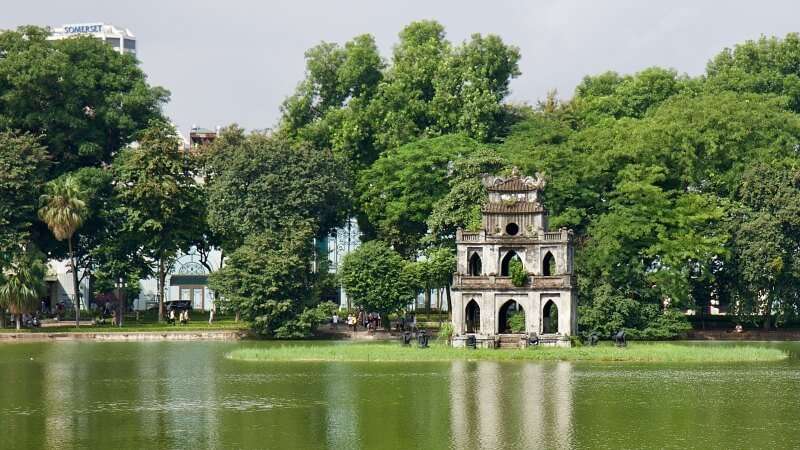
A trekking experience in Sa Pa typically involves time in Hanoi, Vietnam's capital. With 7.5 million inhabitants, it sometimes seems everyone (or nearly everyone) owns a motorbike. Despite wars and bombardment, Hanoi retains traces of past occupations, especially in the French Quarter. The real soul lies in the Old Quarter, with narrow alleys, pavements lined with dozens of blue plastic stools from street vendors, and proprietors sitting by their shop doors. Generally, dedicate at least a full day to appreciate its frenetic energy and history, wandering central lanes and around Hoan Kiem Lake. Your visit should conclude with views of Ho Chi Minh's Mausoleum and the Presidential Palace.
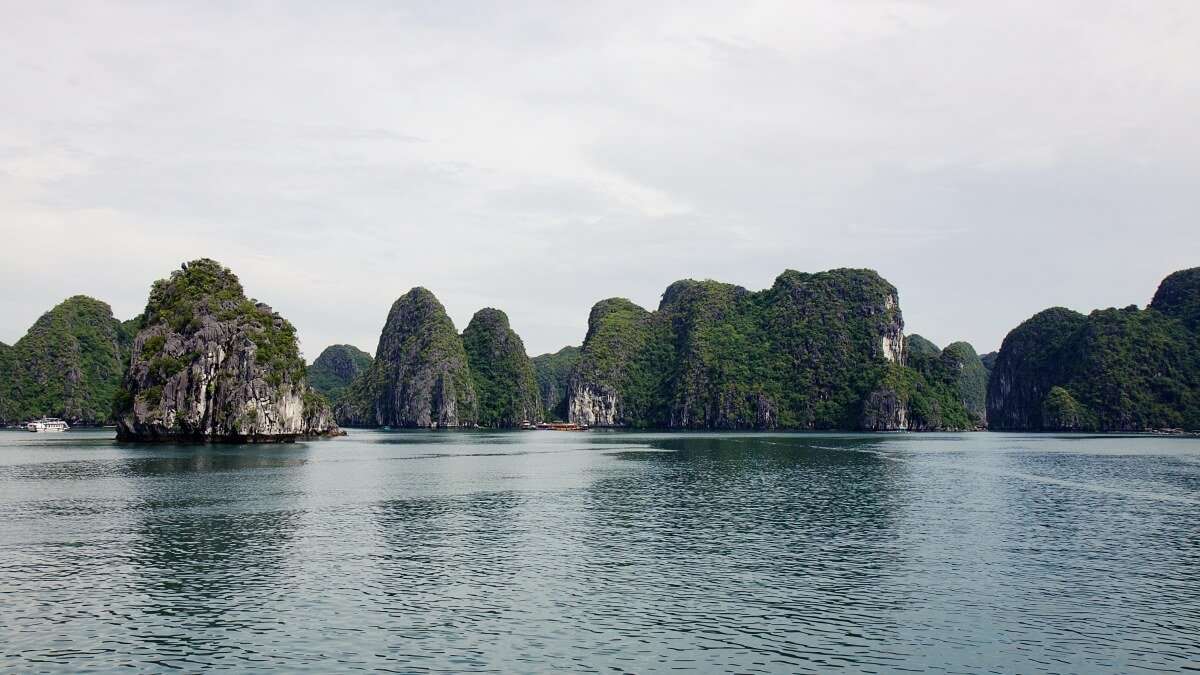
Northern Vietnam abounds with other compelling destinations. The most famous (though not always appreciated!) is Ha Long Bay: a concentration of limestone karsts and emerald islands opening onto the Gulf of Tonkin. A UNESCO World Heritage site, Ha Long Bay attracts crowds, with visitors clustering on boats to explore only this section of coast. Neighbouring regions offer identical scenery with the advantage of being virtually deserted. Skip the day-trip offers (!), and instead spend several days on Cat Ba Island. From there you can enjoy peaceful days on Lan Ha Bay and Bai Tu Long Bay: you won't regret it!
Moving south, central Vietnam centres on the historic cities of Hue, the former imperial capital, and Hoi An, one of the country's most important trading ports. To traverse this narrow corridor, take advantage of overnight trains or flights. Hue served as capital from 1802 to 1945 and sits on the evocative Perfume River; it's arguably Vietnam's true cultural heart and warrants thorough exploration. Hoi An has lost some of its exotic colonial port-town appeal, but remains engaging and pleasant.
Southern Vietnam revolves around Ho Chi Minh City, formerly Saigon, now a more modern city with fewer attractions than the northern capital. The south culminates in the Mekong Delta, home to the country's finest beaches: Mui Ne, the Con Dao Islands and Phu Quoc. For those preferring highland cool, Dalat offers pleasant walking and cycling among French colonial villas and tea plantations.
No Vietnamese journey is complete without sampling the delicious local cuisine, especially street food and small restaurants frequented by locals, and tasting the coffee—a genuine national beverage served in dozens of ways—which will certainly leave you with even more delightful memories of this tropical country.
When to visit Vietnam
Vietnam's elongated shape creates highly varied climates, making it difficult to pinpoint a single ideal season. The primary consideration is rainfall: communication routes, even near cities, can be severely affected by flooding, risking you getting stranded in a location to the detriment of your safety and itinerary.
The best period for visiting the north is October to December. Summer is very hot and wet. The Sa Pa area is scorching and impractical in summer (considering mud persists even without rain…) and bitterly cold in winter (snow isn't uncommon).
The best period for visiting central Vietnam is February to May, while rain falls from September to February. Summer is intensely hot, and August to October brings torrential rain and typhoons.
The best period for visiting the south is December to April, though it rains from May to November. Temperatures remain fairly consistent, usually between 68-104°F (especially March to May).
If your trip encompasses the entire country, as often happens, schedule it for spring (March and April) or autumn (September to December).
Vietnam: recent history
Visiting a country means learning its history—in Vietnam's case, more so than most.
Vietnam's history is marked by foreign dominations. The first, and perhaps most culturally significant, was Chinese: the Celestial Empire conquered the Red River Delta (which flows through Hanoi) in the 2nd century BCE and remained for 1,000 years. During this prolonged period, Vietnam endured domination but also acquired crucial knowledge (constructing dams and irrigation channels, the foundation of large-scale rice production). Confucianism, Buddhism, Taoism and Hinduism arrived, along with essential scientific and medical knowledge vital to civilisation's development.
After roughly two centuries of independence, the 13th century brought Mongol invasions under Kublai Khan, who sought to reach the Champa kingdom (in the south) through Vietnam but was repelled.
In the early 15th century, the Chinese attempted to reclaim Vietnam, but rebellions erupted in the latter half, and the Chinese were defeated. Seizing the moment, Vietnamese forces finished off the southern Champa kingdom and began colonising its territory themselves.
In 1516, the first Europeans arrived—Portuguese navigators who settled in Hoi An alongside Japanese and Chinese traders.
During the 17th and 18th centuries, Vietnam remained divided: the north supported by the Dutch and the south by the Portuguese. The Chinese attempted to exploit this fragmentation but were defeated.
Vietnam was finally unified by Nguyen Anh in 1802, with Hue declared capital.
In 1847, the French attacked Danang port in response to two missionaries' imprisonment. The pretext was flimsy, but the result momentous: Saigon was conquered in 1859, and in 1862 Emperor Tu Duc ceded three eastern provinces—the so-called Cochinchina—to the French. By 1883, the French had captured Hue and imposed a Protectorate Treaty.
These decades saw the emergence of genuine independence movements, the most organised being the communist movement founded by Ho Chi Minh in Canton in 1925 (later called the Viet Minh).
In August 1945, following years of misgovernance, famine and drought, Ho Chi Minh launched the August Revolution, and on September 2 he proclaimed Vietnam's independence and reunification. The French reacted poorly, dispatching paratroopers. Independence lasted mere months.
Soon after, a fresh wave of disorder erupted in Hanoi, marking the start of the so-called Indochina War. It lasted eight years, was lost by the French at Dien Bien Phu, and the Geneva Accords established the division of Vietnam into two zones at the 17th parallel. But it wasn't over.
In 1959 conflict erupted between the north, represented by the so-called National Liberation Front (Viet Cong), and the south, under direct American influence. The Vietnam War (which Vietnamese call the American War) was never officially declared but equally unofficially spread to Cambodia and Laos.
On January 27, 1973, the Paris Peace Accords were signed, marking America's exit. On April 30, 1975, northern tanks rolled into the Palace of Independence, and Saigon surrendered, renamed Ho Chi Minh City. Estimates place American casualties at over 58,000, South Vietnamese at 225,000, and North Vietnamese at over 1,000,000. Approximately 4 million civilians were wounded or killed, and 300,000 Vietnamese and 2,200 Americans remain missing. This excludes long-term effects of Agent Orange and napalm on people and environment.
After decades of warfare and difficult recovery, Vietnam has pursued unsustainably rapid development favouring manufacturing growth. Today it's unquestionably a developing nation: hopefully, as economic stability solidifies, resources can be redirected to environmental restoration and sustainable practices.
Share
apiediperilmondo by wayure
New articles on walks, trekking and hiking trips. Free, no spam.
Redazione
La redazione di Apiediperilmondo. Guide, itinerari e storie nate camminando: consigli pratici, cammini in Italia e nel mondo, letture e spunti per chi viaggia a piedi.
Profilo e tutti gli articoli di Apiediperilmondo