10 Reasons to Start Your Walking Journey
What calls thousands of pilgrims each year to ancient paths across the world? Discover the profound reasons why walkers from every corner of the globe are answering the call of the trail.

In this article
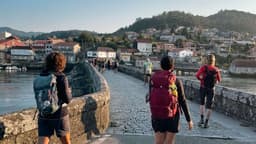
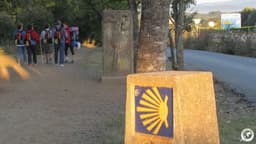
Over the past few years, there has been a significant surge in the number of people discovering the magic of walking. The various Spanish pilgrimage routes towards Santiago de Compostela, the Via Francigena in Italy, the Saint Francis Way through Tuscany and Umbria, and countless other long-distance treks around the world are attracting ever more attention.
But what drives thousands of people each year to set out on a pilgrimage? What calls wanderers from across the globe to these ancient pilgrimage paths? What do people experience walking hundreds or even thousands of kilometres, day after day?
These are questions that have no single, objective answer. Each person approaches the journey in their own way and draws their own personal conclusions and reflections over time. However, there are aspects of walking that unite the thoughts of all pilgrims, reflected equally in all their experiences. Here, then, is a thoughtful summary for you—a considered list of 10 reasons to take to the road.
1. Walking
Though walking is one of the most ancestral and natural gestures a human being can perform, over time it has become almost an inconvenient way to get around. Fortunately, today a great many people have rediscovered its benefits, finding in this simple act a remedy for the frenetic pace of daily life, a healthy and natural way to travel and stay active, and a truly different way to journey—more human in scale.
2. Freedom
After a few days on the road, you begin to understand just how much freedom is possible to enjoy: you're free to choose when to depart, when and why to stop, free to decide your route, to discover where that fork in the path leads or what lies beyond that ridge. Free from the "four walls" in which many of us work and spend most of our time. Free to spend entire days under the open sky, sheltered only when you sleep.
3. Nature
Those living in metropolises and large cities will soon discover how easy and pleasant it is to walk for hours along footpaths, through fields and forests, rediscovering not only the beauty of nature, but the ease with which we find harmony with it. From trees offering shade and cool air, to sun that warms and dries, to rain that magically revives the colours of grass—you'll learn to appreciate things you once considered insignificant.
4. Slowness
We're accustomed to rushing. The world we live in every day demands it to keep up with everything we have to do. On a pilgrimage, however, a distance you'd cover by car in half an hour takes an entire day. It's the effort and time spent that allows you to fully appreciate the small but significant goal you've reached. The sound of your footsteps will become the rhythm that marks your days.
5. Empathy
On the road, you feel among equals, and differences become a way to enrich your own character. Meeting other pilgrims, exchanging experiences, living in close contact with people you've never met before—all of this "trains" your spirit of adaptation. After walking an entire day together, sharing fatigue, joys and sorrows, what better way is there to learn to walk in others' shoes?
6. Connection with the Outside World
No experience brings transformation quite like this. Those who choose to take to the road often don't realise what they're stepping into: all the barriers we normally build to protect ourselves from the outside world fall away, one by one, and the state of vulnerability will open you up, making you more aligned with the world around you.
7. Connection with Yourself
Many people set out precisely for this reason—to reconnect with themselves. The long days spent on the trails allow you to look inward and make peace with your inner self. The daily physical demands can be a good measure by which to test yourself. The experience of finding a place to sleep and eat each evening is a different, more essential way of caring for yourself. Connecting with yourself also means understanding your limits and learning to surpass them.
8. Learning to Live with Less
Walking means a backpack on your shoulders. A backpack means weight. The lighter your pack, the easier the journey becomes. That's why learning to live with only the essentials refocuses our attention on how much unnecessary baggage we carry in our lives.
9. Returning to Natural Rhythms
What do you gain from all this? What is the outcome of everything described above? Certainly, a return to thinking at a pace more suited to our brains and ourselves, learning to see things for their true value and to live in the present moment. This doesn't just mean leaving the past behind, but freeing yourself from the obsession with planning the future. Surrender to the unexpected, accept it, and learn to draw the best from what life offers you.
10. A New Perspective
Our final reason to take to the road is a gift—the ability to see things in a new light. When you return home, everything you've experienced will have left its mark within you. The people you've met, the tasks that await you—everything will carry new meaning, because you will have changed the lens through which you see and listen. Nothing will ever be quite the same again, and neither will you.
I'll leave you with a passage from "Walking" by H. D. Thoreau
"Thus we wander toward the Holy Land, until one day the sun shines brighter than it ever has, and illuminates our minds and our hearts, and lights up all of our being
Share
apiediperilmondo by wayure
New articles on walks, trekking and hiking trips. Free, no spam.
Redazione
La redazione di Apiediperilmondo. Guide, itinerari e storie nate camminando: consigli pratici, cammini in Italia e nel mondo, letture e spunti per chi viaggia a piedi.
Profilo e tutti gli articoli di ApiediperilmondoDiscover our itineraries
in Camino de Santiago.
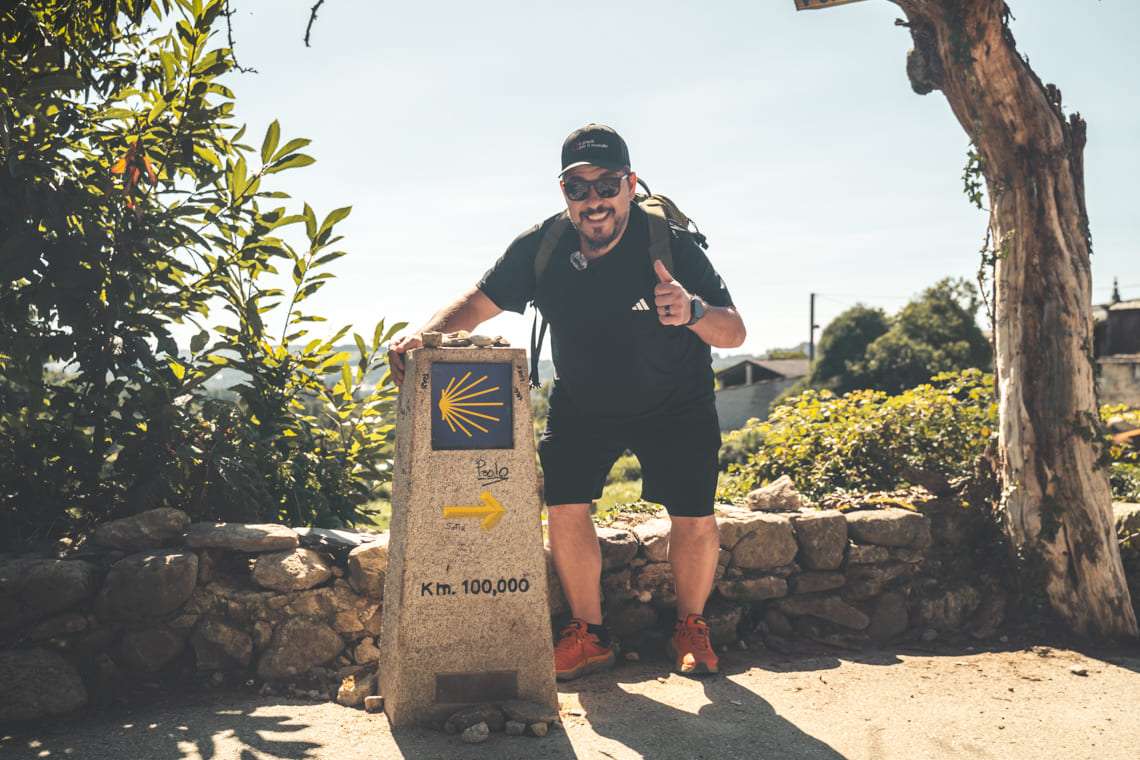
Camino de Santiago from Sarria - Last 100 km
Portuguese Way from Tui - Last 100 km

Camino Primitivo from Lugo - Last 100 km
Want a tailor-made itinerary?
Plan your trip