Urban Trekking in Tokyo: Walking Through Japan's Vibrant Capital
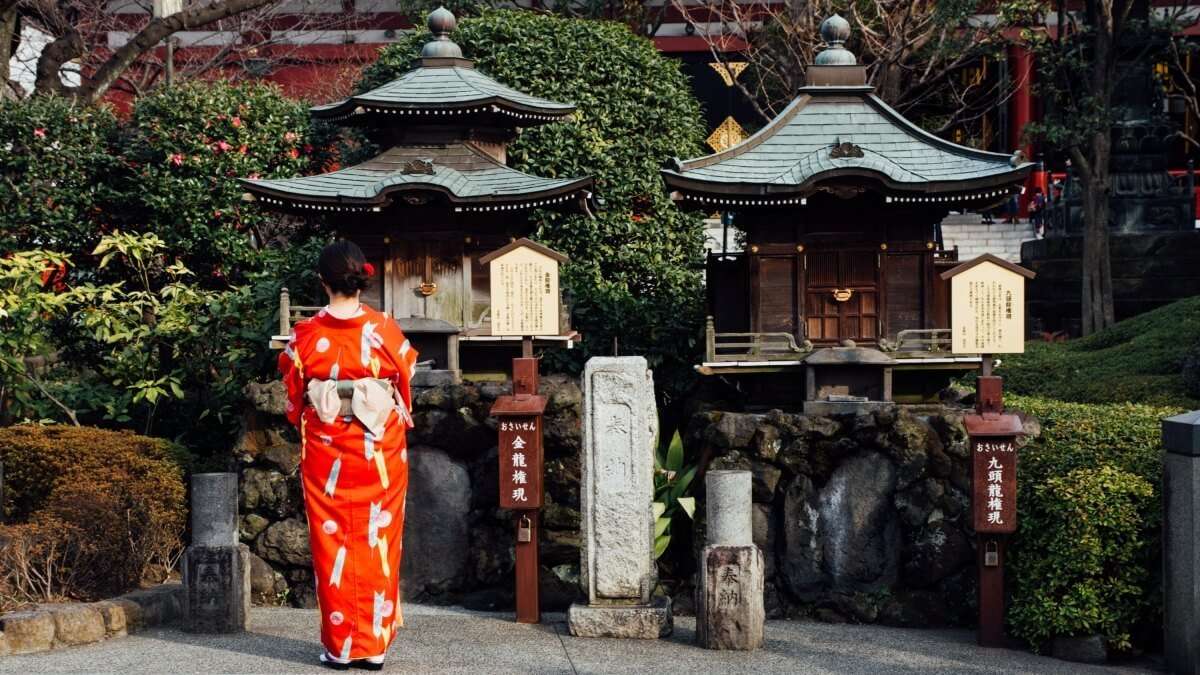
Discover Tokyo on foot, where ancient temples meet neon-lit streets and hidden gardens reveal the soul of Japan. Walk through bustling neighborhoods, serene shrines, and peaceful parks that showcase the perfect blend of tradition and modernity.

[av_layout_row border=” min_height_percent=” min_height=’0′ color=’main_color’ mobile=’av-flex-cells’ id=”]
[av_cell_two_third vertical_align=’top’ padding=’10px,30px,0px,60px’ background_color=” src=” attachment=” attachment_size=” background_attachment=’scroll’ background_position=’top left’ background_repeat=’no-repeat’ mobile_display=”]
[av_one_full first min_height=” vertical_alignment=’av-align-top’ space=” margin=’0px’ margin_sync=’true’ padding=’0px’ padding_sync=’true’ border=” border_color=” radius=’0px’ radius_sync=’true’ background_color=” src=” attachment=” attachment_size=” background_position=’top left’ background_repeat=’no-repeat’ animation=” mobile_display=”]
[av_image src=’https://ctciegkgbryqtjtzlifl.supabase.co/storage/v1/object/public/apd-media/apd/2018/03/Trekking-a-Tokyo.jpg’ attachment=’21649′ attachment_size=’full’ align=’center’ styling=” hover=” link=” target=” caption=” font_size=” appearance=” overlay_opacity=’0.4′ overlay_color=’#000000′ overlay_text_color=’#ffffff’ animation=’no-animation’ admin_preview_bg=”][/av_image]
[av_heading tag=’h1′ padding=’10’ heading=’Trekking in Tokyo‘ color=” style=’blockquote modern-quote’ custom_font=” size=” subheading_active=’subheading_below’ subheading_size=’18’ custom_class=” admin_preview_bg=” av-desktop-hide=” av-medium-hide=” av-small-hide=” av-mini-hide=” av-medium-font-size-title=” av-small-font-size-title=” av-mini-font-size-title=” av-medium-font-size=” av-small-font-size=” av-mini-font-size=”]
Who says a metropolis like Tokyo doesn't offer mountain hiking? Discover an exciting trekking adventure in Tokyo accessible by public transport with stunning views of Mount Fuji
[/av_heading]
[av_textblock aalb-admin-input-search=” size=” font_color=” color=” av-medium-font-size=” av-small-font-size=” av-mini-font-size=” admin_preview_bg=”]
Tokyo (東京, literally "eastern capital") is a metropolitan city of 37.832 million inhabitants. This makes it top of the ranking for the world's most populous metropolitan areas (Shanghai comes second with "only" 34.865 million inhabitants).
Japan's capital since 1868 (before that it was Kyoto, literally "capital city", and Tokyo was called Edo, literally "estuary"), it is home to both the Emperor and Parliament.
Public transport is particularly well developed: the Shinjuku station sees 3.7 million passengers per day and 1.3 billion passengers per year.
Beyond its skyscrapers, metro lines and sun umbrellas, Tokyo offers abundant nature—both in its city parks and, especially, in the surrounding regions. Choosing a trekking route in the Tokyo area ensures you can travel independently: public transport reaches practically every trailhead and the paths are well-marked and well-maintained. It goes without saying that locals will go above and beyond to help if you need assistance.
[/av_textblock]
[av_heading tag=’h3′ padding=’10’ heading=’Where to Trek near Tokyo‘ color=” style=” custom_font=” size=” subheading_active=” subheading_size=’15’ custom_class=” admin_preview_bg=” av-desktop-hide=” av-medium-hide=” av-small-hide=” av-mini-hide=” av-medium-font-size-title=” av-small-font-size-title=” av-mini-font-size-title=” av-medium-font-size=” av-small-font-size=” av-mini-font-size=”][/av_heading]
[av_image src=’https://ctciegkgbryqtjtzlifl.supabase.co/storage/v1/object/public/apd-media/apd/2018/03/Trekking-a-tokyo-2.jpg’ attachment=’21650′ attachment_size=’full’ align=’center’ styling=” hover=” link=” target=” caption=” font_size=” appearance=” overlay_opacity=’0.4′ overlay_color=’#000000′ overlay_text_color=’#ffffff’ animation=’no-animation’ admin_preview_bg=”][/av_image]
[av_textblock aalb-admin-input-search=” size=” font_color=” color=” av-medium-font-size=” av-small-font-size=” av-mini-font-size=” admin_preview_bg=”]
The Tokyo region offers many alternatives to a weekend in an armchair. Beyond the flat Kanto Plain, protected by a ring of mountains, are the Takao Mountains, the Tanzawa Mountains, and Mount Kumotori. Then there's Mount Fuji: you can attempt the summit via an overnight ascent, or take it step by step, admiring it from the surrounding peaks which may offer even more rewarding photo opportunities.
The scenery is quite pleasant and thoroughly Japanese in character, though you can't expect pristine wilderness in the vicinity of a metropolis of over 35 million people—but the experience is guaranteed to satisfy!
Below we present a two-day Tokyo trek through mountains blanketed in dense forests on the hills west of the city, within the Chichibu-Tama-Kai National Park. Plenty of alternatives exist, whether for one-day excursions or longer routes with overnight stays.
[/av_textblock]
[av_heading tag=’h3′ padding=’10’ heading=’ Trekking from Musashi Itsukaichi to Okutama via Mount Odake‘ color=” style=’blockquote modern-quote’ custom_font=” size=” subheading_active=’subheading_below’ subheading_size=’15’ custom_class=” admin_preview_bg=” av-desktop-hide=” av-medium-hide=” av-small-hide=” av-mini-hide=” av-medium-font-size-title=” av-small-font-size-title=” av-mini-font-size-title=” av-medium-font-size=” av-small-font-size=” av-mini-font-size=”]
Total distance: 30.7 km
Total elevation gain: 2,034 m
Total elevation loss: 1,905 m
Maximum elevation reached: 1,230 m asl (Mount Odake)
[/av_heading]
[av_image src=’https://ctciegkgbryqtjtzlifl.supabase.co/storage/v1/object/public/apd-media/apd/2018/03/Monte-fuji.jpg’ attachment=’21651′ attachment_size=’full’ align=’center’ styling=” hover=” link=” target=” caption=” font_size=” appearance=” overlay_opacity=’0.4′ overlay_color=’#000000′ overlay_text_color=’#ffffff’ animation=’no-animation’ admin_preview_bg=”][/av_image]
[av_textblock aalb-admin-input-search=” size=” font_color=” color=” av-medium-font-size=” av-small-font-size=” av-mini-font-size=” admin_preview_bg=”]
The Chichibu-Tama-Kai National Park is the closest national park to Tokyo and therefore the most easily accessible. The park's highest peak is Mount Kinpu (2,598 m), while the most popular with hikers is Mount Kumotori (2,017 m).
The route we suggest here goes from Musashi Itsukaichi to Okutama, passing via Mount Odake. This pleasant two-day trek allows you to delve into a beautiful cedar forest and reach the tranquil village of Mitakesan, where you can stay overnight in an authentically Japanese style.
Particularly impressive are the views from Mount Odake on the second day, from which you can admire Mount Fuji in the distance.
Both the starting point and final destination are conveniently reachable from Tokyo by public transport.
[/av_textblock]
[av_heading tag=’h3′ padding=’10’ heading=’ Day 1: Musashi Itsukaichi to Mitakesan ‘ color=” style=’blockquote modern-quote’ custom_font=” size=” subheading_active=’subheading_below’ subheading_size=’15’ custom_class=” admin_preview_bg=” av-desktop-hide=” av-medium-hide=” av-small-hide=” av-mini-hide=” av-medium-font-size-title=” av-small-font-size-title=” av-mini-font-size-title=” av-medium-font-size=” av-small-font-size=” av-mini-font-size=”]
Total distance: 30.7 km
Total elevation gain: 2,034 m
Total elevation loss: 1,905 m
Maximum elevation reached: 1,230 m asl (Mount Odake)
[/av_heading]
[av_textblock aalb-admin-input-search=’Japan’ size=” font_color=” color=” av-medium-font-size=” av-small-font-size=” av-mini-font-size=” admin_preview_bg=”]
The forests of Mount Mitake are covered with cedars and cypresses, along with occasional sakura (Japanese cherry blossom, Prunus serrulata), which are always a feast for the eyes.
[amazon_link asins=’8859238935,8854034339,8807713950′ template=’ProductCarousel’ store=’apiediperilmondo-21′ marketplace=’IT’ link_id=’884f65b6-2a8d-11e8-9b74-35e3ebaa25dd’]
The starting point of this Tokyo trek is Musashi Itsukaichi train station, approximately 1 hour and 20 minutes by train from central Shinjuku station.
It's advisable to bring lunch and an adequate water supply, as the route passes no inhabited settlements or amenities.
Your destination is the village of Mitakesan, centered around a local Shinto temple. Located at 831 m asl with approximately 150 permanent residents, the temple area has reportedly been in religious use since 90 AD, though the current structure is the result of transformations to a 1874 religious building. The village is also accessible by cable car and has become a popular day-trip destination from Tokyo. The village is dotted with small shops and is worth exploring—visit the Shinto temple at Mount Mitake's summit and take a stroll to the cable car station. For accommodation, see below.
[/av_textblock]
[av_heading tag=’h3′ padding=’10’ heading=’ Day 2: Mitakesan to Okutama via Mount Odake and Mount Nokogiri’ color=” style=’blockquote modern-quote’ custom_font=” size=” subheading_active=’subheading_below’ subheading_size=’15’ custom_class=” admin_preview_bg=” av-desktop-hide=” av-medium-hide=” av-small-hide=” av-mini-hide=” av-medium-font-size-title=” av-small-font-size-title=” av-mini-font-size-title=” av-medium-font-size=” av-small-font-size=” av-mini-font-size=”]
Distance: 14.12 km
Total elevation gain: 894 m
Total elevation loss: 1,419 m
Maximum elevation reached: 1,233 m (Mount Odake)
[/av_heading]
[av_textblock aalb-admin-input-search=” size=” font_color=” color=” av-medium-font-size=” av-small-font-size=” av-mini-font-size=” admin_preview_bg=”]
After a pleasant and leisurely home-cooked breakfast, your first objective of the day is Mount Odake, reachable via two routes: choose the ridge path for better views. On clear days from Mount Odake's summit, you can admire Mount Fuji in all its majesty. Quite spectacular!
The day's second peak is Mount Nokogiri (1,109 m), followed by your descent into the Tama-gawa Valley.
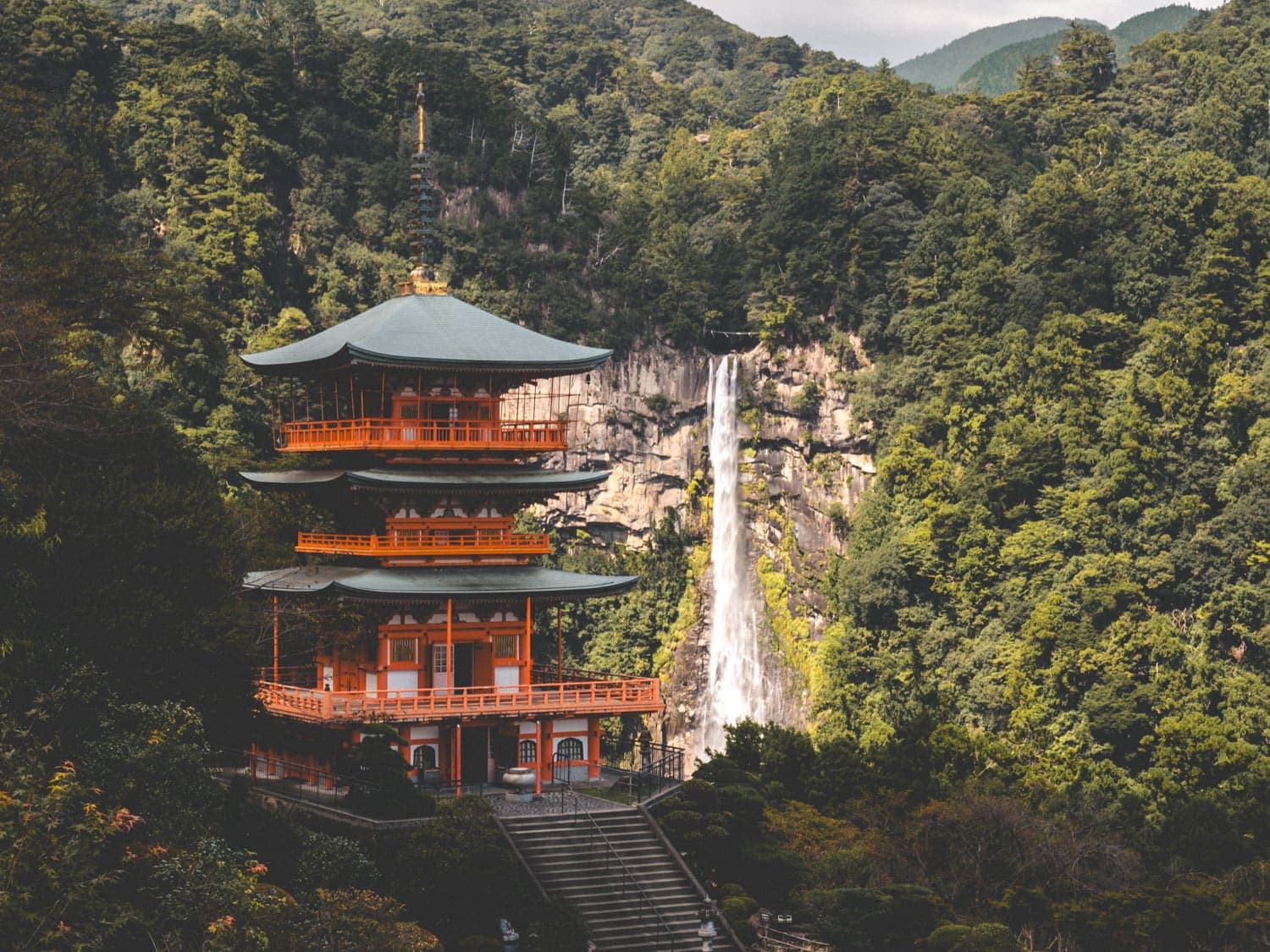
As you approach Okutama, follow signs for the four-story pagoda dedicated to Japanese war dead. The trail's end is just below the pagoda at the foot of a modest 200-step stone staircase.
From Okutama train station, you can catch a train back to Shinjuku in approximately 2 hours.
Again, it's wise to carry snacks and supplies for the day, as the entire route passes no villages or equipped facilities. You should be able to stock up on essentials at Mitakesan before departing.
[/av_textblock]
[av_heading tag=’h3′ padding=’10’ heading=’ Where to Stay for Trekking near Tokyo ‘ color=” style=’blockquote modern-quote’ custom_font=” size=” subheading_active=’subheading_below’ subheading_size=’15’ custom_class=” admin_preview_bg=” av-desktop-hide=” av-medium-hide=” av-small-hide=” av-mini-hide=” av-medium-font-size-title=” av-small-font-size-title=” av-mini-font-size-title=” av-medium-font-size=” av-small-font-size=” av-mini-font-size=”][/av_heading]
[av_image src=’https://ctciegkgbryqtjtzlifl.supabase.co/storage/v1/object/public/apd-media/apd/2018/03/Ryokan.jpg’ attachment=’21652′ attachment_size=’full’ align=’center’ styling=” hover=” link=” target=” caption=” font_size=” appearance=” overlay_opacity=’0.4′ overlay_color=’#000000′ overlay_text_color=’#ffffff’ animation=’no-animation’ admin_preview_bg=”][/av_image]
[av_textblock aalb-admin-input-search=” size=” font_color=” color=” av-medium-font-size=” av-small-font-size=” av-mini-font-size=” admin_preview_bg=”]
One of the great joys of hiking in Japan is the warmth of local accommodations: many multi-day routes allow you to stay in small villages that maintain their own distinctive rhythm, far removed from the capital's pace. Lodging often consists of converted private homes or beautifully maintained ryokan (traditional inns) with meticulous attention to detail. Expect futon bedding, paper walls, and rice cakes. These options typically include rates covering dinner, accommodation, and breakfast. Onsen (natural hot spring baths heated by geothermal energy) are also frequent—perhaps the only silver lining of living in a country with such intense seismic activity!
In Mitakesan, accommodation choices don't lack. Most online-bookable lodges are traditional homes with just a few rooms, run on a family basis. Among them stands out Shukubo Komadori Sanso: originally opened in 1776 as a public bathhouse, today it's a modest ryokan with beautiful views over the surrounding hills.
[/av_textblock]
[av_heading tag=’h3′ padding=’10’ heading=’ When to Trek near Tokyo ‘ color=” style=’blockquote modern-quote’ custom_font=” size=” subheading_active=’subheading_below’ subheading_size=’15’ custom_class=” admin_preview_bg=” av-desktop-hide=” av-medium-hide=” av-small-hide=” av-mini-hide=” av-medium-font-size-title=” av-small-font-size-title=” av-mini-font-size-title=” av-medium-font-size=” av-small-font-size=” av-mini-font-size=”][/av_heading]
[av_image src=’https://ctciegkgbryqtjtzlifl.supabase.co/storage/v1/object/public/apd-media/apd/2018/02/aromaterapia1.jpg’ attachment=’21403′ attachment_size=’full’ align=’center’ styling=” hover=” link=” target=” caption=” font_size=” appearance=” overlay_opacity=’0.4′ overlay_color=’#000000′ overlay_text_color=’#ffffff’ animation=’no-animation’ admin_preview_bg=”][/av_image]
[av_textblock aalb-admin-input-search=” size=” font_color=” color=” av-medium-font-size=” av-small-font-size=” av-mini-font-size=” admin_preview_bg=”]
Tokyo enjoys a humid subtropical climate with hot, humid summers and mild winters. Snow falls sparingly each year, while rainfall is heaviest during the summer months.
The best seasons for hiking in the Tokyo region are spring (April and May) and autumn (September-November). It hardly needs saying that during both periods the stars of your photographs will be the sakura (cherry blossoms) first, then the autumn foliage later.
It's worth noting that Mount Fuji's climbing season follows its own calendar: it's open only from July 1 to August 31.
[av_heading tag=’h3′ padding=’10’ heading=’ What Else to See in Tokyo ‘ color=” style=’blockquote modern-quote’ custom_font=” size=” subheading_active=’subheading_below’ subheading_size=’15’ custom_class=” admin_preview_bg=” av-desktop-hide=” av-medium-hide=” av-small-hide=” av-mini-hide=” av-medium-font-size-title=” av-small-font-size-title=” av-mini-font-size-title=” av-medium-font-size=” av-small-font-size=” av-mini-font-size=”][/av_heading]
[av_textblock aalb-admin-input-search=’Tokyo’ size=” font_color=” color=” av-medium-font-size=” av-small-font-size=” av-mini-font-size=” admin_preview_bg=”]
[amazon_link asins=’885922540X,8836572502,8807713934′ template=’ProductCarousel’ store=’apiediperilmondo-21′ marketplace=’IT’ link_id=’a2a2e651-2a8d-11e8-8bfe-fd65037ede29′]
Tokyo is a fascinating metropolis that certainly deserves several days of exploration. Plan at least two full days, better yet three. It's a city that blends high modernity with pockets of deep tradition, especially in the less commercial neighborhoods.
There's something for everyone: gardens, architecture, the shops of Ginza, kabuki theaters, the crowds crossing at Shibuya intersection, Shinto temples. And then there's the food—so quintessentially Japanese that you won't find anything like it anywhere else in the world.
In Tokyo it's also worthwhile to simply stand on a street corner and watch the world flow by.
[/av_textblock]
[av_heading tag=’h3′ padding=’10’ heading=’ A Bit of History about Tokyo
Share
apiediperilmondo by wayure
New articles on walks, trekking and hiking trips. Free, no spam.
Redazione
La redazione di Apiediperilmondo. Guide, itinerari e storie nate camminando: consigli pratici, cammini in Italia e nel mondo, letture e spunti per chi viaggia a piedi.
Profilo e tutti gli articoli di Apiediperilmondo