The Great Ocean Walk: Australia's Coastal Trekking Gem
Planning an Australian adventure? Discover the Great Ocean Walk, a stunning coastal trek that immerses you in the raw beauty of Down Under and transforms your journey into an unforgettable wilderness experience.
A Piedi Per Il Mondo

In this article
Table of Contents
Australia is a continent-nation, virtually empty: 24 million inhabitants, with a population density of less than 3 people per square kilometre! It's the "other world" par excellence: it's incredibly distant, has reversed seasons, and boasts a variety of fauna and flora found nowhere else on Earth. This alone should justify the effort of enduring those long hours on a plane.
Historical Background
It began as a British penal colony—a historical note that hardly reflects its current inhabitants who, should you encounter them in all that vast emptiness, will welcome you without fuss. It's known as the "newest" continent because of its recent settlement: it was actually discovered multiple times—first by a Dutchman, then by various Englishmen, and finally by James Cook, who was the first to map the known territory. With characteristic British nonchalance, Cook named the newly discovered territory in the south-eastern quadrant New South Wales and declared it British property. This was 1770—practically yesterday.
Australia's history unfolded almost entirely in this relatively modest portion of the country, where the first colonies were established: the climate was evidently more benevolent and the terrain less harsh. South-eastern Australia is home to the states of New South Wales and Victoria, as well as the capital, Canberra, which forms its own territory. It's here you'll find the two economically most important cities, Sydney and Melbourne, and here you can test yourself on one of Australia's great treks: the Great Ocean Walk.
What is the Great Ocean Walk
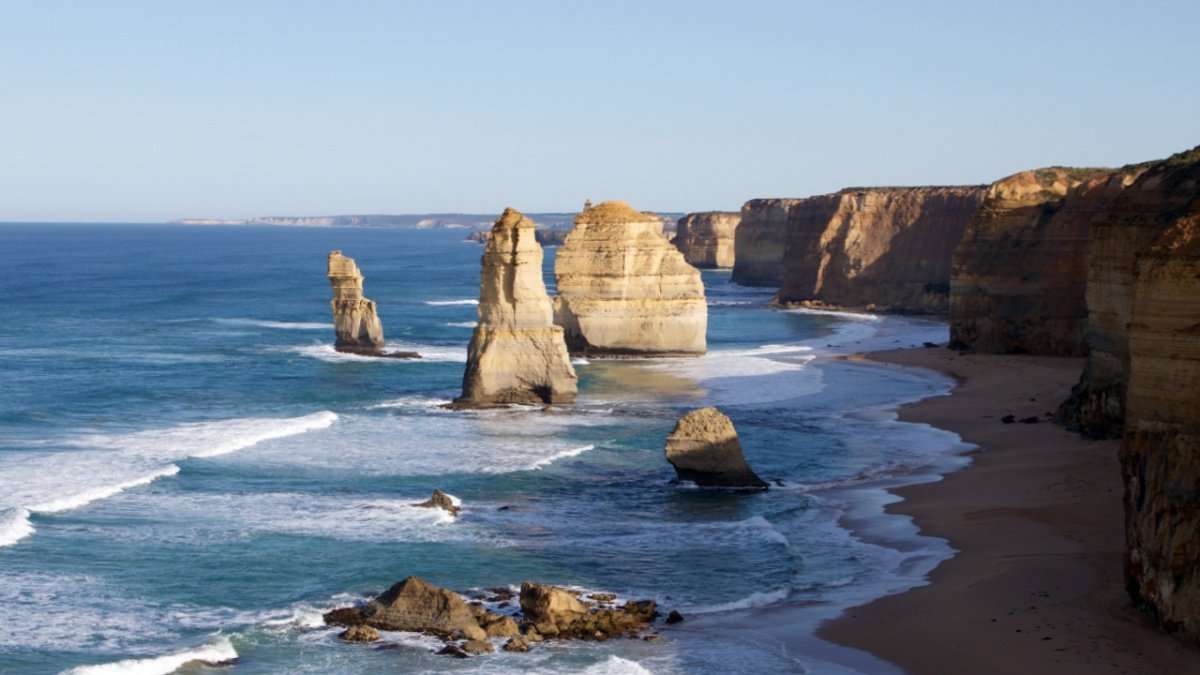
The Great Ocean Walk is a roughly 100 km trail that stretches south of Melbourne, the capital of Victoria state. It starts from the quiet township of Apollo Bay and arrives at the magnificent Twelve Apostles—limestone sea stacks towering nearly 50 metres high (the exact number of these columns is debated; currently, eight can be counted, though rockfalls and collapses frequently change the count due to their fragile nature).
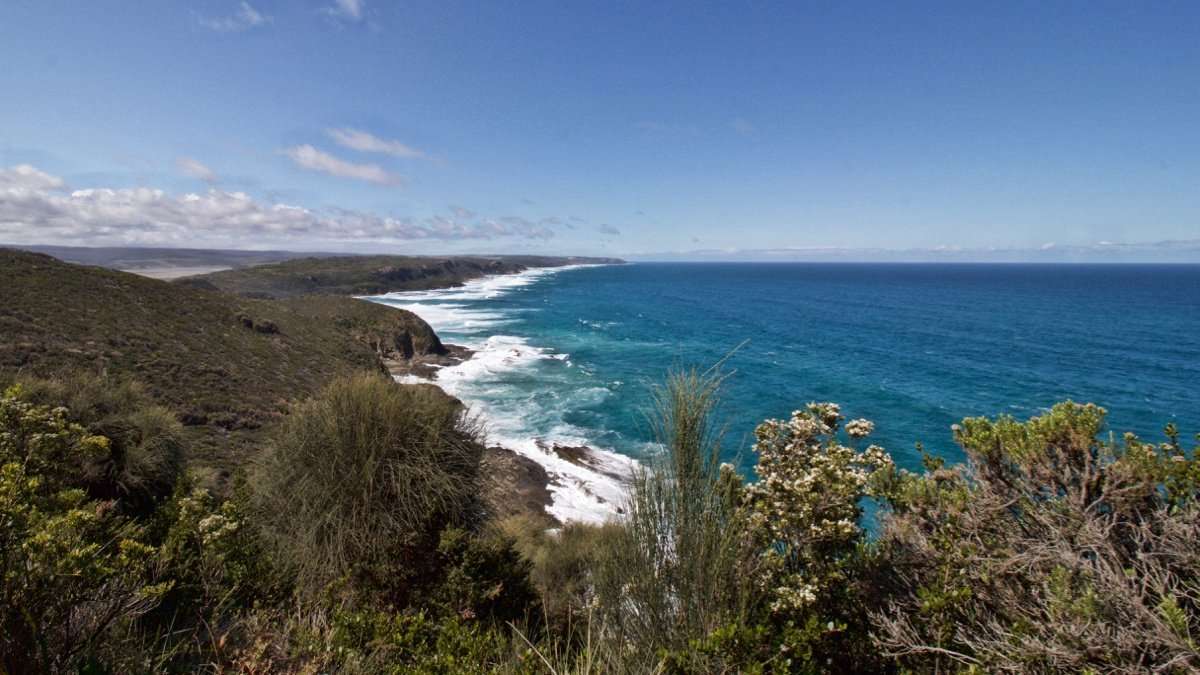
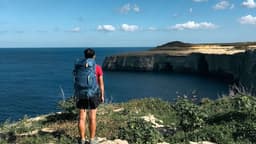
The track winds through pastures, cliff-edge paths, and breathtaking viewpoints. It's a very well-marked trek that delivers tremendous rewards.
The Great Ocean Walk was developed starting in 2001 and opened to the public in 2006. It's managed by Parks Victoria, which also oversees the surrounding area. When undertaking this trek, keep one thing in mind: respect the rules. Parks Victoria is rigorous on this point, especially regarding fire and pollution, so, here as elsewhere, come prepared and behave as a true nature lover:
- Carry out all rubbish
- Don't light fires
- Don't remove any natural elements
- Leave only your footprints behind!
- At designated points, clean your boots at the mandatory boot-wash stations to avoid spreading spores from one section of the track to another. Boot-cleaning stations are clearly marked and equipped with foot-operated basins for washing and rotating brushes for scrubbing. This takes just 1 minute.
Getting to the Starting Point
The Great Ocean Walk begins at Apollo Bay. The most practical solution is to fly into Melbourne and hire a car to reach the coast. Apollo Bay is approximately 3 hours' drive south of Melbourne, along a stretch of the Great Ocean Road, one of the continent's most scenic driving routes.
From the final point of the Great Ocean Walk, the Twelve Apostles, you can reach Melbourne in 3-4 hours by driving inland.
There are no alternatives to a private vehicle. There are no bus services to or from Melbourne, and coastal towns don't offer car rental services, so your only option is to hire a car in Melbourne and return it there. To move between stages, you'll need to arrange private shuttle services available in the area. Contact your accommodation provider (see Where to Stay) or check the official website.
To drive in Australia, you'll need an international driving permit, obtainable through your national motor authority (or via an accredited agency) by presenting an authenticated photo, your original driving licence, and the required form, plus payment. Processing isn't immediate, so apply several weeks in advance.
When to Walk the Great Ocean Walk
The best period is October to February, though December risks being too hot and overcrowded (coinciding with Christmas and local school holidays). For comfortable walking, choose October or late January/February. In winter, weather can become challenging and rain might spoil the experience. Keep in mind the entire walk is coastal, so the climate is consistently very windy.
Great Ocean Walk - The Route
The Great Ocean Walk begins at the Great Ocean Road information centre in Apollo Bay, where you can pick up souvenirs. The trail is one-way with a single objective: the Twelve Apostles.
The total 104 km can be divided into 5 or 6 days depending on your preference. Five days won't demand excessive daily distances, especially if you start early. The route presents no particular difficulties, with minimal elevation gain and generally good terrain.
The first beach along the walk is Shelly Beach. Here, as at many other points, you can choose between walking the sand or taking an alternate route inland.
Scenically speaking, choosing the inland variants offers better panoramic views, but beach sections, when conditions allow, create unforgettable memories.
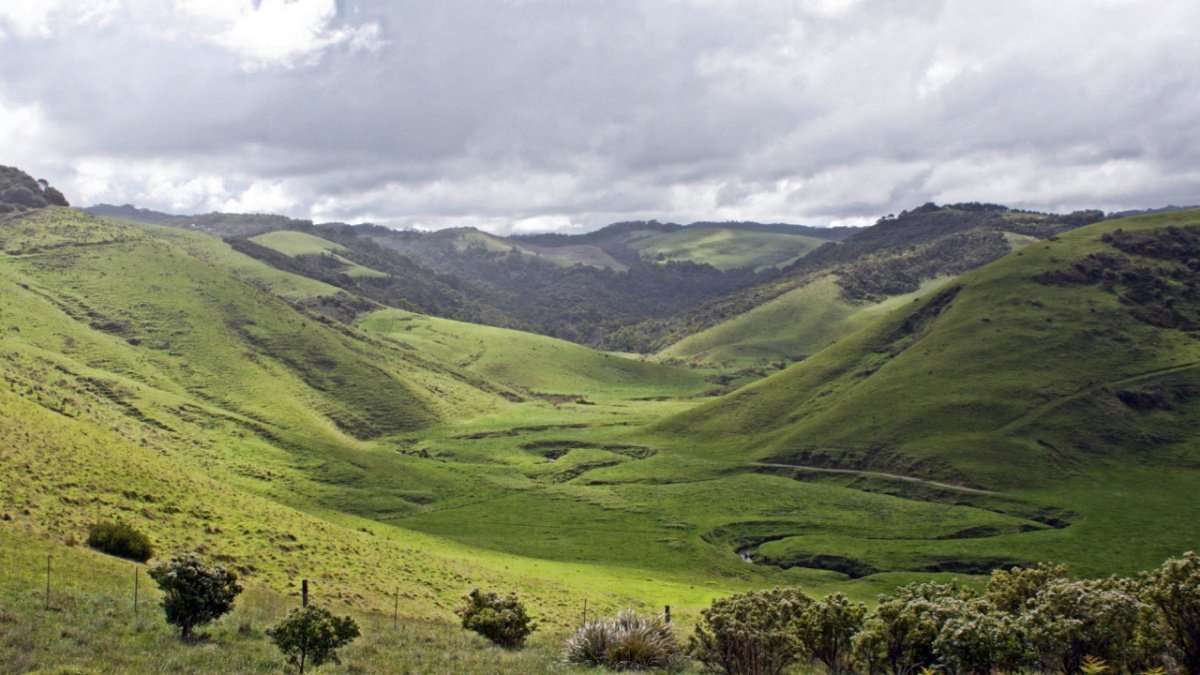
Except for the initial stretch, the route passes through pastures and forests. Some land is privately owned, but passage is guaranteed for walkers. Remember to close gates behind you after cattle pass through!
At Point Franklin, you can choose to continue along the coast or take the inland route. These choice points are always well signposted; what matters is knowing your preference and ability (see Important Notes).
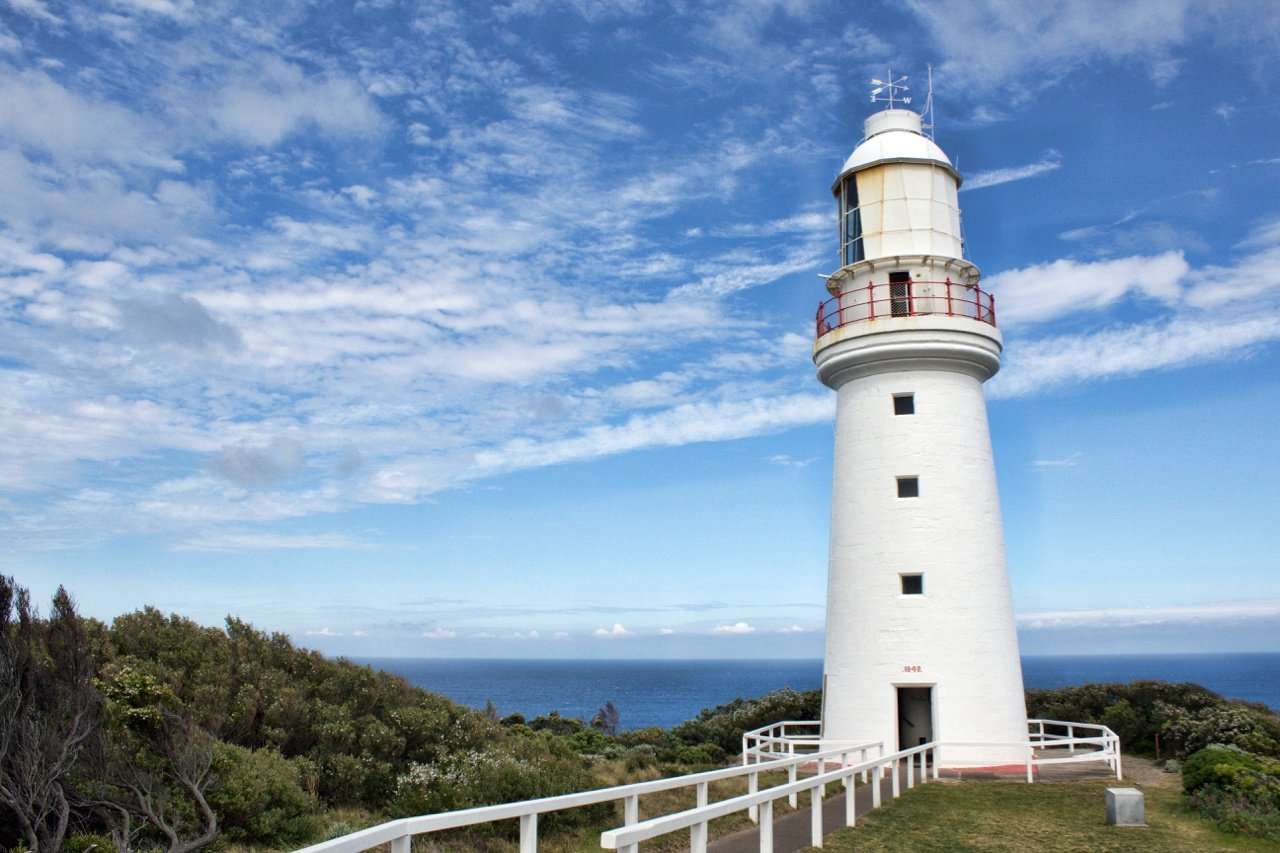
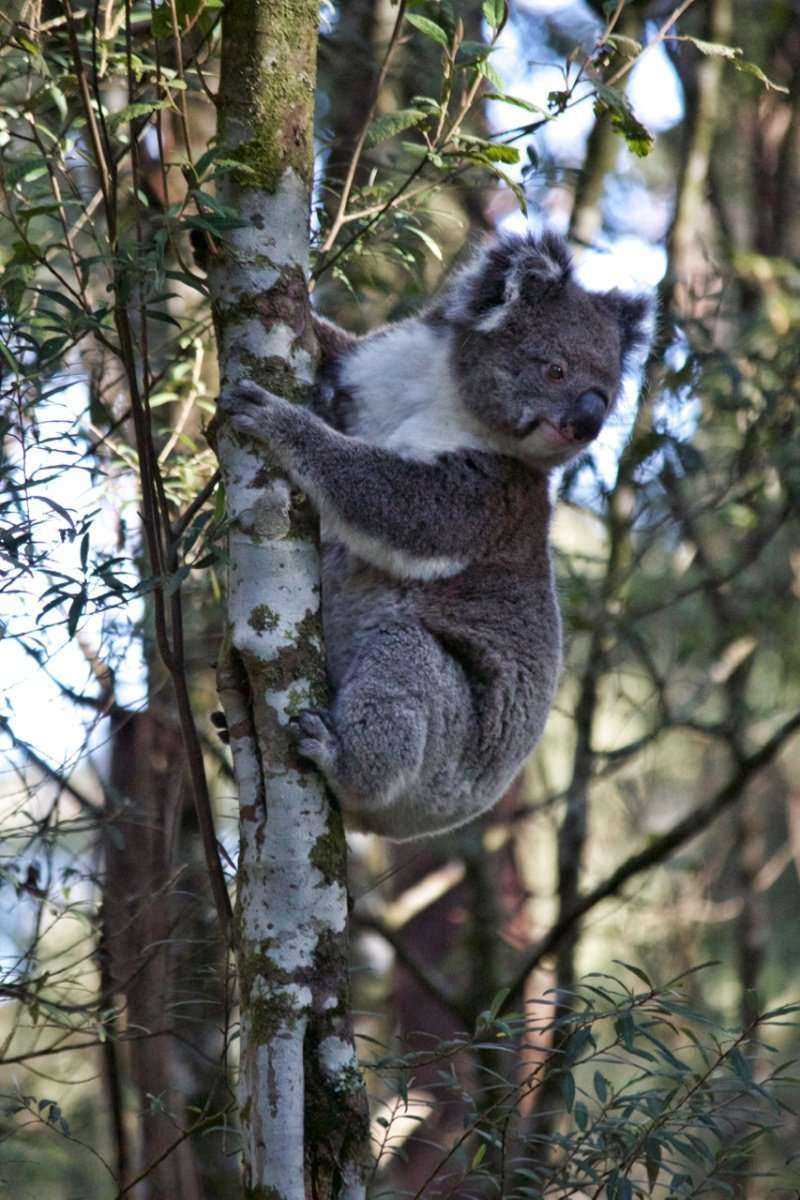
One of the finest viewpoints on the Great Ocean Walk is Cape Otway, home to Australia's oldest still-functioning lighthouse (built 1848). Located at the southernmost point of the Great Ocean Road, it marks where the Southern Ocean meets Bass Strait between Australia and Tasmania. Entry is paid and allows access to the lighthouse and the former lighthouse keeper's residence. There's a gift shop and a small café, the only refreshment stop along the entire route. Cape Otway is particularly famous for its koalas: eucalyptus trees lining the path to the lighthouse shelter a thriving population of these delightful sleepers, spending their days munching leaves and dozing. Absolutely not to be missed!
Your next objective is Station Beach, again with two alternative routes—the choice is yours.
Aire River Bridge is an area popular with locals too, who choose it for weekend camping or caravan trips (Australia's national sport).
Castle Cove Lookout is the only point, aside from the Apollo Bay section, where the trail crosses the Great Ocean Road itself. The viewpoint is thus frequented by road-tripping tourists, but no less captivating for it. However, if
Share
A Piedi Per Il Mondo
New articles on walks, trekking and hiking trips. Free, no spam.
Turn this inspiration into a real journey.
Tell us about your dream walk: we will build the itinerary together.