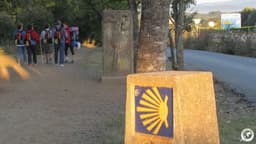
Retracing Your Steps: Finding Meaning After Your Journey
When a walking journey ends, you may feel disoriented or unexpectedly grounded. Whatever emotions arise, retracing your steps can help you process and deepen the insights gained from your pilgrimage.

In this article
In this "Walking Wisdom" section, we have repeatedly explored the motivations that have always driven humanity to set out on journeys: the quest for discovery, personal growth, exploration, and the desire to experience something new and different.
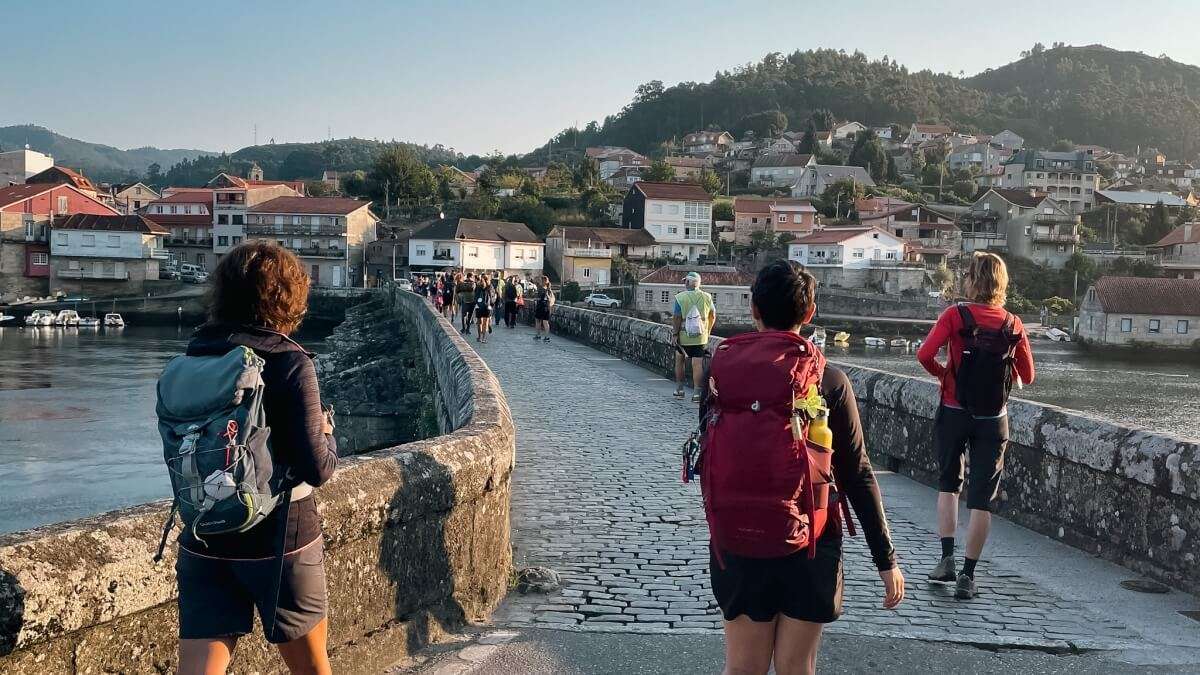
We have shared stories of the paths we walk, the borders we cross, and the hidden meanings within what may seem, to the untrained eye, like repetitive experiences. We have described the beneficial effects that walking brings to our body, mind, and spirit, and how it transforms the way we relate to others and to ourselves.
We have acknowledged the fatigue, the sweat, the pain that may emerge and accompany the walker on the journey to their chosen destination, alongside the sense of freedom and lightness experienced by those who wander without a fixed destination.
We have understood that, regardless of what drives us to take that first step, walking means encountering the world without defences and laying ourselves bare: it is an inevitable reality, sparked precisely by the act of moving on foot, slowly.
Yet there is another aspect we have not yet explored: the return. What happens when our journey ends, when we go back home? What does it mean to retrace our steps?
Coming Home
When we return home, we typically experience conflicting emotions born from the awareness of having lived something extraordinary and the exhaustion that such an undertaking brings, from initial disorientation and, at the same time, from a sense of familiarity: a mix of satisfaction and sadness, joy and nostalgia, but also hope and disillusionment, expectation and regret.
Contact with "reality", with what, after days and days of walking, initially seems very distant from us, can be experienced with relief—to be once again in a place we cherish and know—or with strange unease, the same restlessness that had driven us to leave and that dissolved along the way. Of course, many other nuances between these two extremes may present themselves, but what certainly unites everyone is the feeling of no longer being the same person we were before.
Every walk brings transformation with it, and it is precisely by drawing on the lessons learned that many decide to resume their everyday life with renewed vigour, facing life differently, pursuing projects that had been on hold, investing greater enthusiasm and energy into those already underway, or even questioning everything anew.
Returning to Where We Have Been
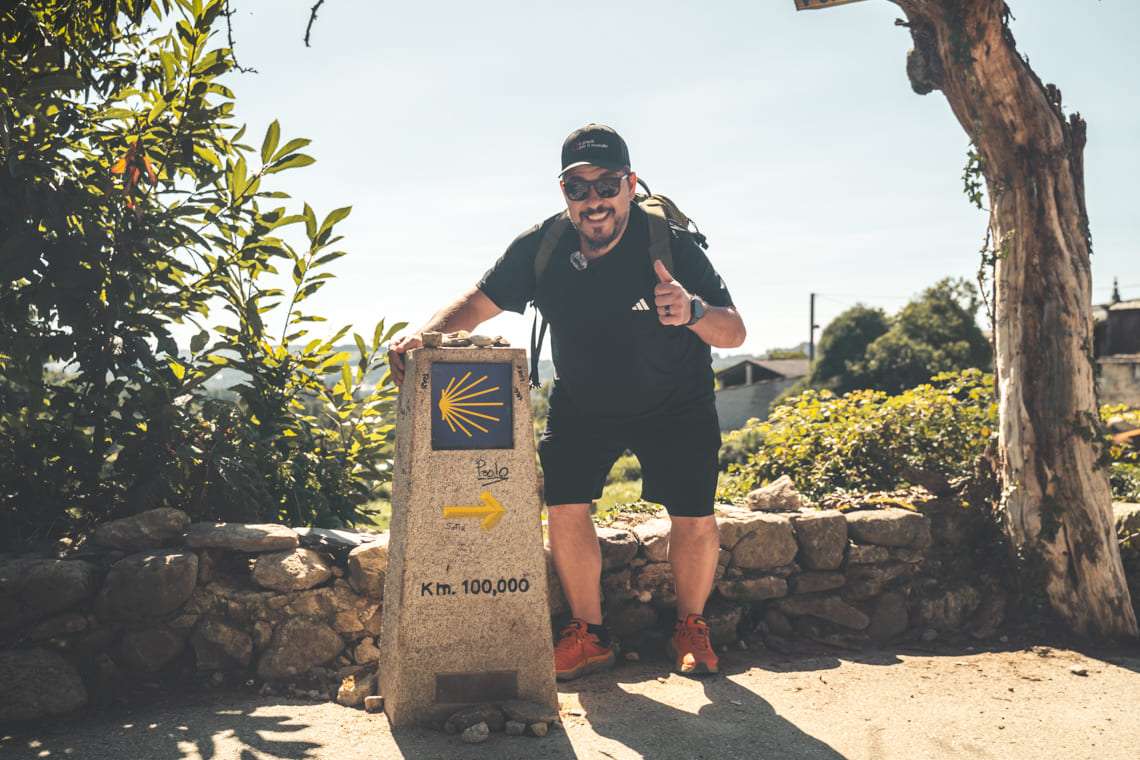
The traveller who loves to walk never truly stops walking because they understand that any step, in any place, is always and in every way a journey. Even once we return home, we can continue with the same strength and trust that guided us when we were away; we can bring the walk home with us.
Moreover, we are often led to think that it is important to leave our mark in the world to affirm our existence, that we must continue seeking new horizons for recognition. But sometimes it is equally beautiful to walk without leaving traces of our passage, so that we can return to the same path at another time and see what we had not noticed before, or see it from a different perspective, without repeating what we have already done.
Sometimes it is necessary to retrace our steps to understand more deeply, to observe differently, to see things in a new light: to notice that the landscape in spring is not the same as in winter, that day is not like night, to observe the fruit that has ripened or the stone that has rolled to another place.
Sometimes returning is giving ourselves another chance.
Share
apiediperilmondo by wayure
New articles on walks, trekking and hiking trips. Free, no spam.
Redazione
La redazione di Apiediperilmondo. Guide, itinerari e storie nate camminando: consigli pratici, cammini in Italia e nel mondo, letture e spunti per chi viaggia a piedi.
Profilo e tutti gli articoli di Apiediperilmondo