
European Culinary Heritage: A Gastronomic Journey Through Iconic Regional Dishes
Traditional European cuisine tells the story of each nation and its people through time-honored recipes and regional flavors. Join us on a gastronomic pilgrimage discovering the authentic dishes that define the continent's walking routes and cultural landscapes.

In this article
Rather than just an article, I'd love to write a traditional European cookbook. I'll admit that sometimes I'm more interested in gastronomy than the destination itself. Well, it's not that I'm more interested, but I turn the opportunity to taste certain dishes into a fundamental part of my travel experience.
It's impossible to condense all of Europe's gastronomic history here, so we've chosen three dishes for each country, but you're welcome to leave a comment to add more!
It was extremely difficult to choose just three dishes on this journey through traditional European cuisine, so if many are missing… don't hold it against us!
Let's begin this gastronomic journey through Europe with France, specifically the Brittany region, known for its delicious regional cuisine based on fresh, abundant local produce.
France
Galette: A type of crêpe made with buckwheat flour, which has a stronger flavour than common wheat flour. Galettes can be served with a variety of fillings, such as cheese, ham, eggs, or mushrooms.
Kouign-amann: A traditional Breton pastry made with puff pastry, butter, and sugar. This cake is known for being rich and caramelised, with crispy and sweet layers inside.
Galette-saucisse: A cooked sausage wrapped in a galette, which is a typical specialty of Rennes, the capital of Brittany.
Now let's head to Ireland, the land of Guinness, Oscar Wilde, and Leprechauns—a country that certainly doesn't disappoint when it comes to traditional European cuisine.
Ireland
Irish Stew: A traditional and comforting dish made with lamb, potatoes, onions, and carrots. Sometimes beer or broth is added for flavour. It's a hearty and popular dish, especially during the colder months.
Boxty: A type of pancake or potato cake made with a mixture of mashed potatoes, flour, milk, and salt. It can be eaten on its own or filled with a variety of ingredients, such as bacon, eggs, or salmon.
Coddle: A stew made with sausages, bacon, onion, potatoes, and sometimes beer. It's a popular Dublin dish and is particularly comforting on cold days.
On this journey through traditional European cuisine, we now travel to Malta, a place filled with as much magic as it is with delicious dishes.
Malta
Maltese cuisine is a fusion of Mediterranean influences that reflect the country's diverse history and geographical position. The three selected Maltese dishes are:
Pastizzi: Flaky pastries filled with a mix of peas, ricotta (a type of cheese), or minced meat. They're a popular choice for breakfast or as a snack throughout the day.
Fenek: This is a traditional Maltese dish made with rabbit. The rabbit is cooked in a sauce that may include wine, local herbs, and tomatoes. It's an iconic dish in Maltese cuisine and is served on special occasions.
Soppa tal-Armla: A traditional Maltese soup made with a variety of seasonal vegetables, such as courgettes, pumpkin, carrots, and tomatoes. It's often served with grated cheese and fresh bread.
Typical Irish gastronomy is rooted in a rich culinary tradition that reflects the influence of local ingredients,
the country's history, and climate. Some of the most representative dishes of Irish cuisine include:
Now let's head to Italy (perhaps this was the most difficult country to sum up—how to choose just three dishes?). We've decided to skip Pizza and Pasta for obvious reasons.
Italy
Italian cuisine is recognised worldwide for its diversity, flavour, and quality ingredients. Italian cooking is characterised by its approach to fresh and simple ingredients, as well as its wide variety of regional dishes.
Risotto: A creamy rice dish originating from northern Italy, particularly the Lombardy region. It's cooked slowly in broth and stirred with ingredients such as mushrooms, seafood, asparagus, or saffron.
Ragù alla Bolognese: A meat sauce made with minced beef cooked slowly with carrots, onions, celery, red wine, and tomato. It's traditionally served with fresh tagliatelle.
Bruschetta: Slices of toasted bread spread with olive oil, garlic, and fresh diced tomatoes, a classic of Italian cuisine served as an appetiser or starter.
Bonus: Gelato: Italian gelato is famous for its soft and creamy texture, as well as its intense and natural flavours. It comes in a wide variety of flavours, from classics like vanilla and chocolate to more creative ones like pistachio, strawberry, and tiramisu.
Portugal
We now head towards Portugal on this journey through traditional European cuisine, a country rich in culture, history, art, and above all, gastronomy. Portuguese gastronomy is known for its diversity, intense flavours, and use of fresh, local ingredients. As in previous chapters, we've excluded Cod from the list to make room for lesser-known dishes.
Caldo Verde: A typical Portuguese soup made with kale, potatoes, onions, garlic, and slices of chouriço (Portuguese chorizo).
Francesinha: A dish originating from the city of Porto, consisting of a sandwich made with various layers of beef, ham, sausages, and cheese, all covered with a spicy sauce and served with chips.
Pastéis de Nata: Portuguese sweets made with puff pastry, crispy on the outside and soft inside, filled with a delicious custard cream and cinnamon.
Bonus: Arroz de Pato: A baked rice dish with duck, chouriço (Portuguese chorizo), olives, and often topped with thin slices of orange.
Let's now head to Galicia, home to the famous Camino de Santiago, a region with a rich historical and cultural tradition and one of Spain's best cuisines.
Galicia – Camino de Santiago
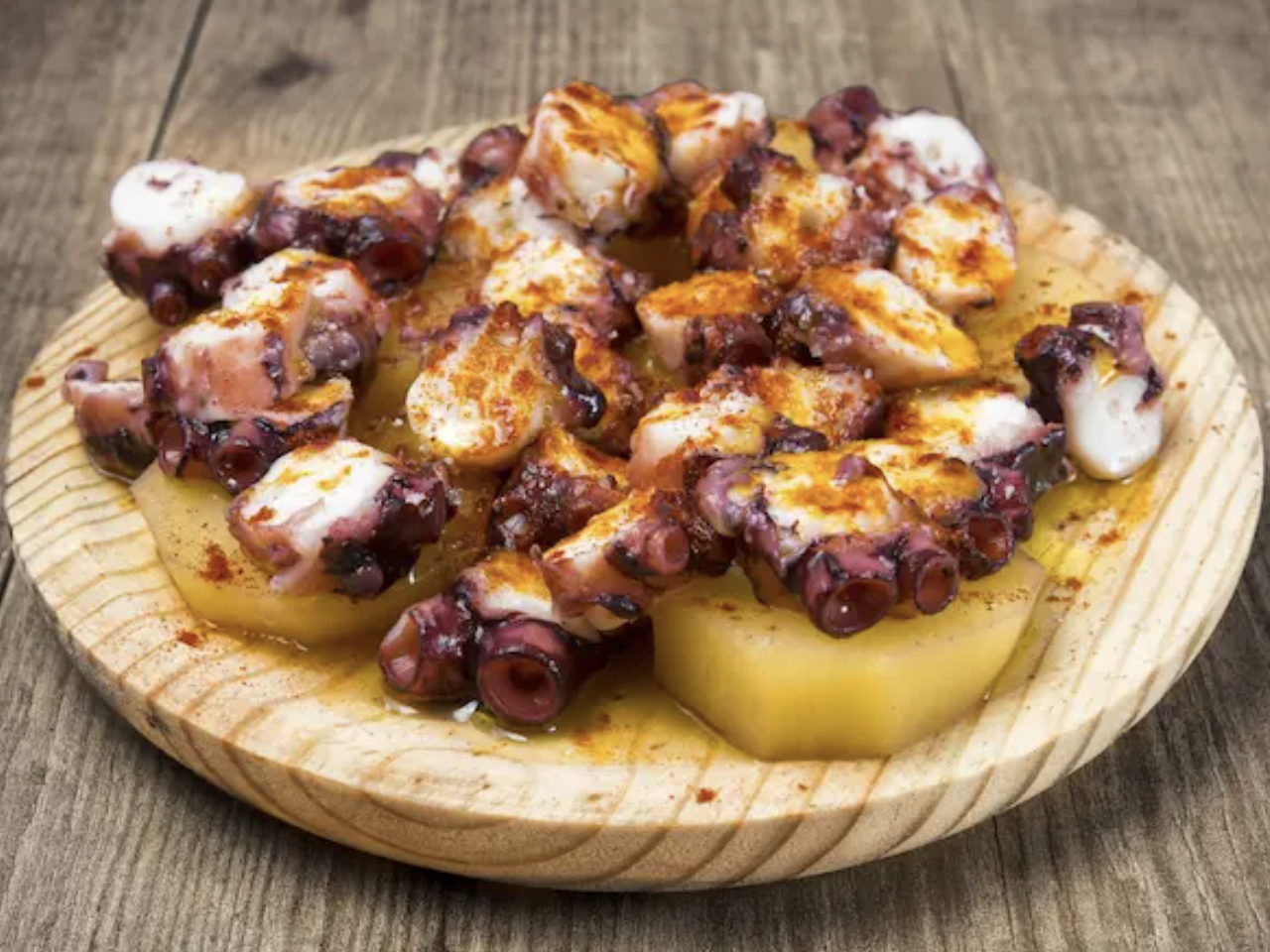
Pulpo à Gallega: One of the most emblematic dishes of the region, it consists of cooked octopus sliced and served on a bed of boiled potatoes, dressed with olive oil, coarse salt, and sweet paprika.
Empanada Gallega: A type of savoury pie filled with a variety of ingredients such as meat, fish, seafood, vegetables, or even sweets. The pastry is made from wheat flour and water, and is filled before being baked.
Lacón con Grelos: A dish of cooked pork meat, similar to ham, that is served with grelos, which are turnip greens or sprouts. It's a typical dish in Galicia's carnival celebrations.
If you're interested in traditional Galician cuisine, you can find a more detailed article about it on our blog 🙂
Japan
Yes, we know Japan is not in Europe, but we couldn't exclude it from this list because, moreover, it's one of our favourite destinations. And if you're like me, someone who likes to try everything, Japan will be your paradise of "oddities". Japanese cuisine is famous worldwide for its delicacy, unique flavour, and attention to detail. Let's go through some traditional dishes (we've excluded Sushi to make room for less obvious things!)
Udon and Soba: Two popular types of Japanese noodles; udon are thick noodles made from wheat flour, while soba are thin noodles made from buckwheat. They can be served hot in broth or cold with a dipping sauce.
Okonomiyaki: Often called "Japanese pancake" or "Japanese pizza", okonomiyaki is a thick pancake made with a mix of shredded cabbage, flour, and water, and can be filled with a variety of ingredients such as seafood, meat, cheese, and vegetables. It's served with okonomiyaki sauce, Japanese mayonnaise, and dried bonito flakes.
Takoyaki: Battered balls filled with cooked octopus, spring onion, and ginger, fried in a special takoyaki pan until crispy on the outside and soft inside. They're typically served with okonomiyaki sauce, Japanese mayonnaise, dried bonito flakes, and grated nori seaweed.
Bonus: Ramen: A Japanese noodle dish served in a rich and flavourful broth, which can be based on pork (tonkotsu), chicken (shoyu), seafood (shio), or vegetables (miso). It's typically served with a variety of ingredients, such as sliced pork, soft-boiled egg, spring onion, marinated bamboo shoots, and nori seaweed.
We hope you've enjoyed this journey through traditional European cuisine in this gastronomic trip through its typical dishes.
Now you know that if you want to experience it in person, you can do so with one of our many walking itineraries throughout Europe and Japan, which will allow you not only to discover local cuisine but also to enjoy your travel experience in a unique and stress-free way because we take care of everything 🙂
Which dish would you stop for? Which ones would you add? We look forward to hearing from you!
Share
apiediperilmondo by wayure
New articles on walks, trekking and hiking trips. Free, no spam.
Redazione
La redazione di Apiediperilmondo. Guide, itinerari e storie nate camminando: consigli pratici, cammini in Italia e nel mondo, letture e spunti per chi viaggia a piedi.
Profilo e tutti gli articoli di Apiediperilmondo