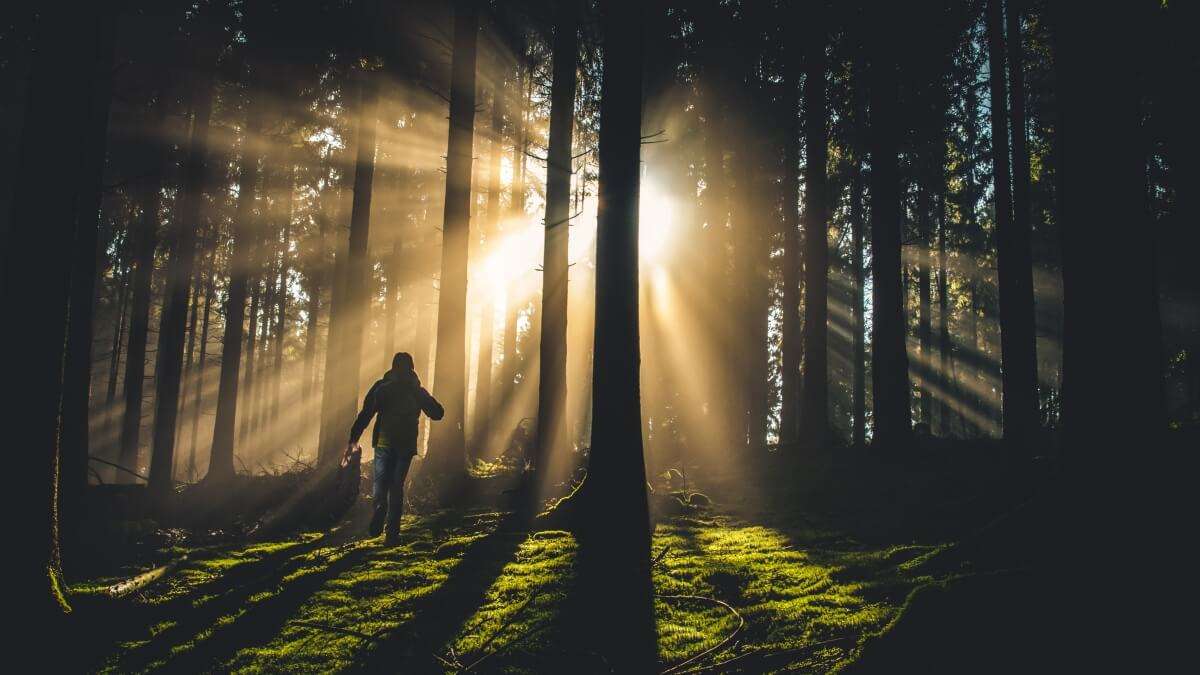
Some believe that to truly live life you must walk through it and observe it with curiosity, and I agree. You must pass through thick forests and endless meadows, climb mountains and swim against the current, immerse yourself in the dark night and scorch yourself under the midday sun, and while you move forward or pause, pay attention to what happens within you.
How many tangled branches are there in my life? How many possibilities lie before me that I don't know how to seize? How much effort must I make to achieve what I want? How many conditioning patterns must I struggle against to feel free? How much darkness must I face to confront my despair? And how much can it burn to get too close to the fire?
Going deep and recognising your shadow side, your problems, frustration, and shortcomings allows you to become aware of what moves within you and disturbs or influences you; from here, from the suffering that emerges during this experience, begins the transformation that can lead us to new life, to discover who we are and accept ourselves.
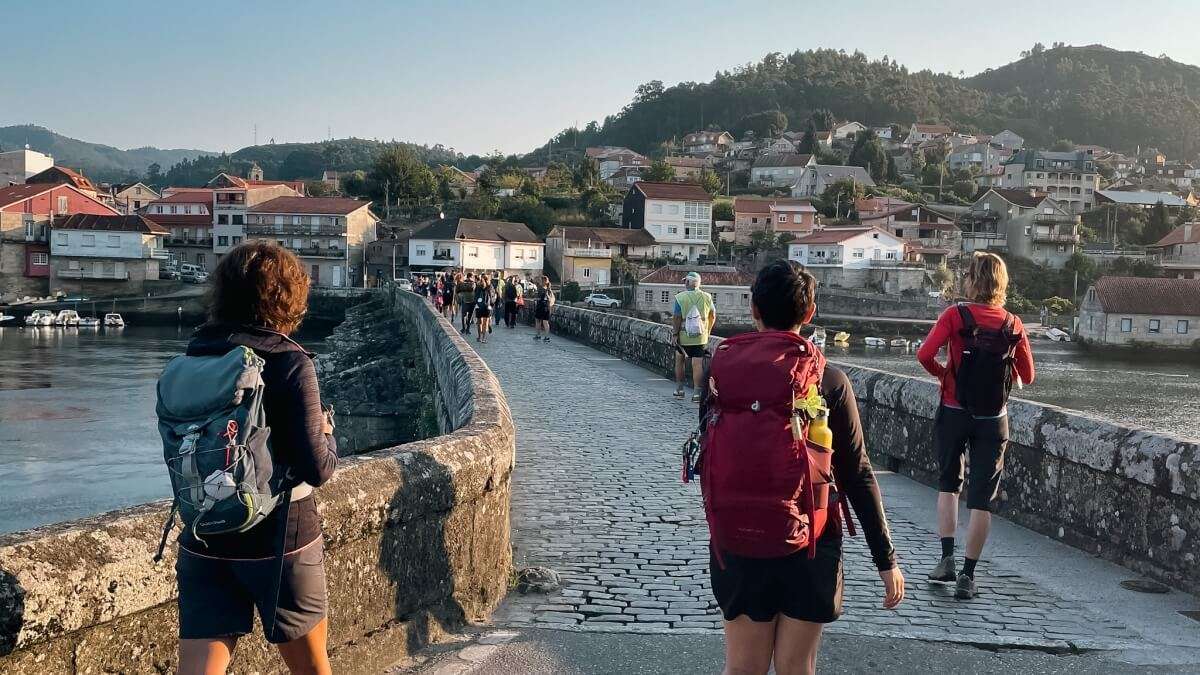
Therefore, walking is transformation! Throughout history, human beings have found in walking a way to dedicate themselves to introspection; thanks to the slowness of foot travel, every step can be a precious opportunity for self-knowledge in this journey of inner discovery.
The path may be long and difficult, but to be truly happy you must walk it all the way, overcoming obstacles and the unexpected. Living the walking experience as an opportunity to meet yourself means using multiple tools. Beyond nature, which serves as backdrop and guide, sight, smell, hearing, touch and your whole body can once again become those essential receptors of sensation that allow us to feel what surrounds us and, consequently, to understand our reactions so that we can govern our mind and, together, elevate our spirit.
Thanks to the constant stimuli that only travel provides, it's possible to improve, grow, and shift perspective in favour of the natural transformation that belongs to us.