Preparing for the Journey: A Beginner's Guide to Walking
What does it truly mean to undertake a pilgrimage on foot? Discover how slow travel transforms not just your body, but your perspective on life itself.


Walking is not only a fantastic leisure experience and enjoyable pastime, it's also an exercise in self-discovery and a way to interpret existence, give it meaning, and learn to live it fully.
You can take the first step and set out at any moment, without a specific destination or clear idea, somewhat like living day by day, but I believe that for major journeys and projects, a minimum of preparation is always necessary.
There are usually two ways to prepare for a walk: you can entrust all the planning to a travel agency, or organize everything yourself. Here too, the similarity with life is evident: you can let others decide everything and enjoy the comfort of this "service," or take matters into your own hands, roll up your sleeves, and commit to making what you desire happen—more challenging, certainly, but also far more rewarding.
Of course, nothing prevents you from doing both or finding a middle ground; what matters for preparing for your walk as best as possible is that you pause to reflect on what you truly want for yourself, so you can better direct your intention and energy. The right questions to ask yourself...?
Where do I want to go?
Defining a destination is like defining a desire, a goal—it must be ambitious yet achievable: if it's too difficult you might not succeed and feel defeated, if it's too easy you risk becoming bored. So it should be challenging enough to motivate you, and you should know that your abilities are equal to the difficulty you want to overcome, neither more nor less.
What do I need to do?
Once you've identified your destination, the next step in preparing for your walk is to establish all the actions needed to reach it, the stages and milestones that will allow you to progress, like ascending a ladder. To define them, it's advisable to write them down, plan an itinerary, a sequence of activities that will guide you to your final goal, and at the same time, keep a journal to monitor your journey.
This is also important for recording all the successes achieved and, at the same time, the mistakes made that can help you improve and adjust your plan in the future.
What do I need?
To walk, you need shoes, clothing, and a sleeping bag, but also all your personal resources, such as curiosity, courage, and determination! When we think about preparations and what to pack in our backpack, we typically draw from our habits and select everything that can satisfy and meet our daily needs: washing, dressing, moving about.
This step also reflects our beliefs and the way we face life, but walking returns you to a more authentic dimension and can be an opportunity to reconsider some behaviors that are shaped by cultural patterns or old fears, and instead rediscover the freedom to be yourself.
Defining a list of what is truly important to us can help us identify our specific characteristics, our real needs, and choose more consciously what to take and what to leave at home. Are you a creative person? How can you use this potential in planning and experiencing your journey? Have you always been considered a charismatic and positive leader—why not lead your group! Do you have foresight? Your ability to anticipate how situations will unfold could prove far more useful than a first aid kit.
These are the fundamental "things" you truly need to carry with you and that will allow you to face any unexpected event that may occur.
Who can help me?
We can! Yes, us! You can find help in all those tools that provide you with information about your destination, but especially in the people you choose to share your journey with and those you meet along your path.
You can equip yourself with the best guides and dozens of detailed documents, but what will make your walk special are all those you ask for advice because they "have been there before" or have experience, all your friends who will encourage you when you're tired and want to give up, the strangers who will stop to chat with you, the fellow travelers with whom you'll share only certain sections, and all the other souls you'll encounter on the trails.
Some will help you go faster, others will support you in times of need; with some you'll reach the summit, others will simply keep you company, without demands or expectations. You don't have to do it all alone—allow yourself to ask for help, and don't worry, you'll never be truly alone.
What will happen?
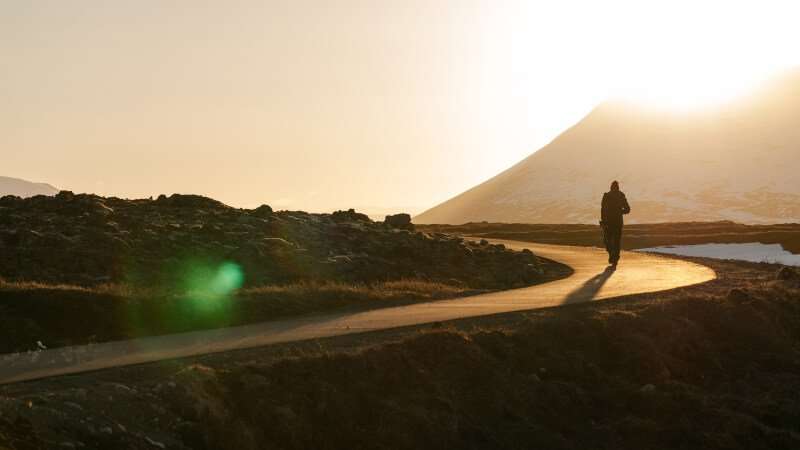
A wealth of stories to tell that you cannot know now: some will be pleasant, others less so; you'll discover landscapes and places different from your own, make new friendships, take hundreds of photos, feel emotions and have fun, and there will probably be unexpected events too—you might accidentally fall or experience unpleasant surprises.
Preparing for your walk allows you to avoid or prevent these kinds of inconveniences, perhaps by bringing gauze and plasters with you or securing travel insurance. But this isn't the only solution: many prefer instead to trust in fate and set off without precautions. In reality, whatever attitude you depart with, only by actually walking will you truly know what adventures or misadventures will befall you.
After all, falls and unexpected events are part of life and, precisely because they're unpredictable, we always run the risk of being unprepared; but should it happen, you can once again seize the opportunity to imagine new ways of facing the situation, to learn a lesson, to discover that you can be different: nothing happens by chance.
Only those who move forward risk getting hurt, but that's how you reach destinations, dreams, and goals: one step at a time, with commitment, trusting in your own abilities, and welcoming whatever happens with gratitude.
Share
apiediperilmondo by wayure
New articles on walks, trekking and hiking trips. Free, no spam.
Redazione
La redazione di Apiediperilmondo. Guide, itinerari e storie nate camminando: consigli pratici, cammini in Italia e nel mondo, letture e spunti per chi viaggia a piedi.
Profilo e tutti gli articoli di Apiediperilmondo