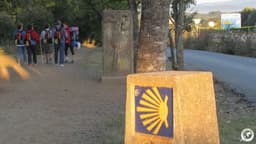
The History of the Jacobean Paths
The pilgrimage to Santiago de Compostela emerges from the intersection of history and legend, two dimensions that intertwine and sustain each other across centuries. Discover how faith, culture, and wanderlust shaped one of Christianity's most transformative journeys.

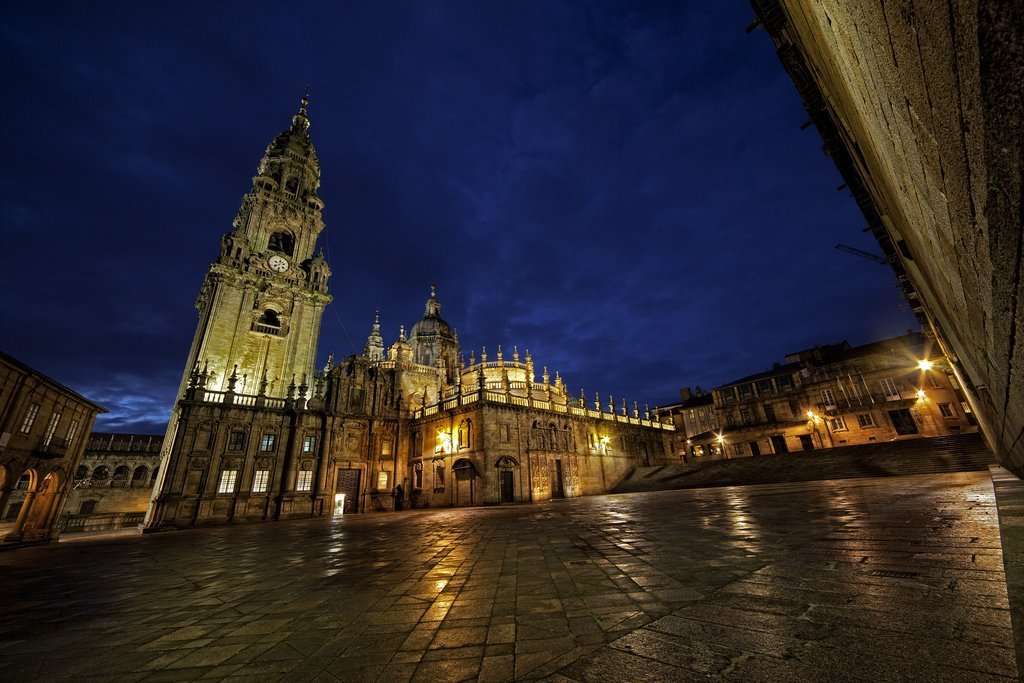
It all began in Jerusalem, around the year 42 after Christ's death.
The Acts of the Apostles tell of a dark period when King Herod Agrippa began to persecute members of the Church.
James, brother of John and apostle of Jesus, was thus put to death by the sword, becoming the first martyr in history. From this moment onwards, tradition takes centre stage.
It was Saint Isidore, Bishop of Seville, in his Breviarium Apostolorum, who was the first after six hundred years to make mention of James's evangelical work in Spain.
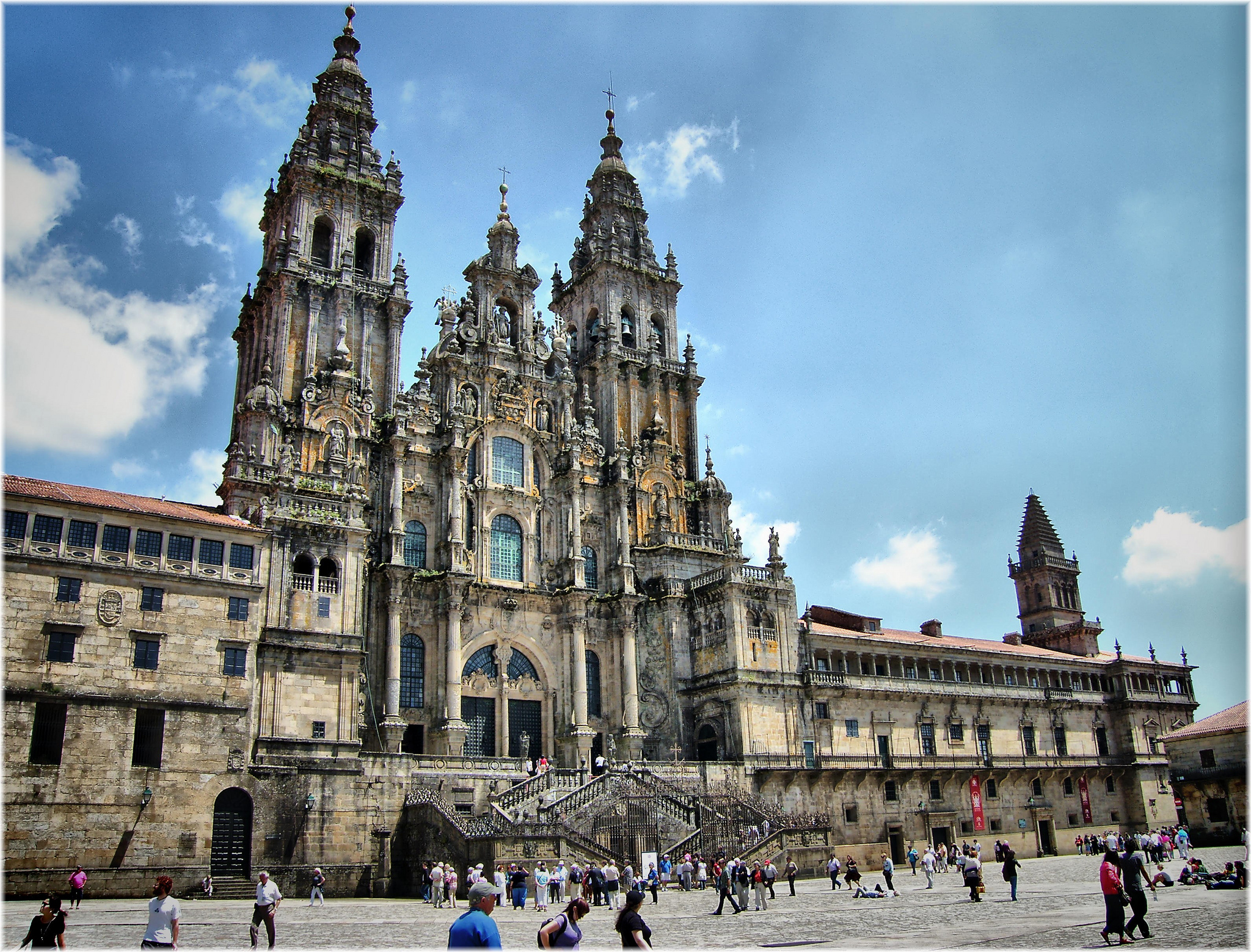
Despite no other evidence preceding or contemporary to the text confirming this theory, stories began to spread about the apostle and his presence in that land.
One, the most celebrated, is even recorded in a hagiographic work from 1260, the Golden Legend, written by friar Jacobus de Voragine, where it is told how two of the apostle's disciples, Theodorus and Anastasia, had stolen his body to transport it far from Jerusalem, all the way to the shores of Galicia.
And tradition also encompasses the facts surrounding the discovery of his remains.
It was a hermit shepherd named Pelagius who discovered the remains, guided by certain lights in the sky pointing him to a specific spot in the forest, and persuaded by a vision of the apostle in a dream inviting him to search.
He then informs Theodomiro, bishop of the city of Iria Flavia, who, as soon as he sees the tomb, communicates the miraculous discovery to his king, Alfonso II the Chaste, who travels from Oviedo to that remote Galician location to witness it himself. From that moment on, it would be known as Santiago de Compostela.
It is the year 813 and we are in the westernmost region of Asturias, the sole Christian kingdom in Spain dominated for over a century by the Islamic empire.
Throughout the seventh and eighth centuries, the Arab army had conquered Arabia, the Mediterranean regions of Africa and its islands, the Iberian peninsula, and had pushed as far as the heart of the Frankish Kingdom, at Poitiers, where in 732 it encountered the strong resistance of the Carolingian Charles Martel and his army, and found itself barred from the rest of Europe.
The Kingdom of Asturias therefore, and the newly formed Holy Roman Empire led by Charlemagne, were the only forces capable of stemming the Islamic advance, the only ones defending a Christendom that felt vulnerable and instead wanted to be strong and ready not merely to resist but to reclaim the lands of old.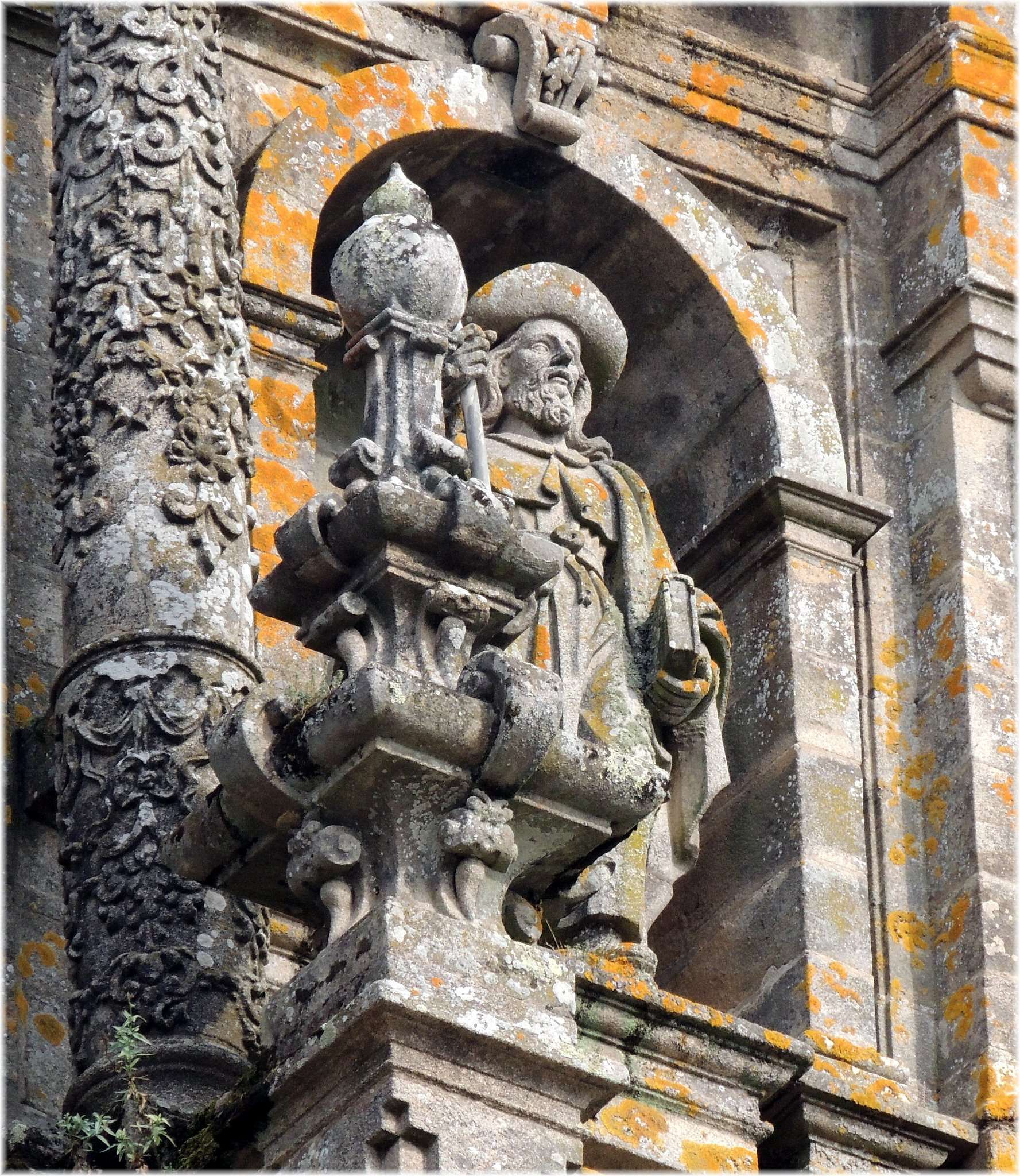
Saint James was therefore seen by his contemporaries as a divine sign.
He became the symbol of Christian unity in the struggle against the infidels and Arab conquerors; he became James the Moor-slayer, as stories circulated of his appearance during battles.
He was, in essence, a symbol of vindication, an image of Reconquista, a starting point to regain courage and fight.
In the three centuries to follow, the Christian kingdoms consolidated and expanded at the expense of the caliphate, conquering cities and creating new routes for the ever-increasing pilgrims heading to Santiago.
A single origin unites all the Jacobean Ways, yet each carries a unique story, which has developed over time thanks to the flourishing of new villages, the prosperity of ancient cities, and all those pilgrims and walkers whose steps and voices have shaped and strengthened their essence.
Share
apiediperilmondo by wayure
New articles on walks, trekking and hiking trips. Free, no spam.
Co-fondatore di Apiediperilmondo e Wayure | Camminatore, imprenditore, costruttore
A hundred times the Camino de Santiago. Eight times the Kumano Kodo. Dozens of times the coasts of Portugal, then the Via Francigena, Ireland, England, Normandy: every walk you find here I have done on my own two feet, in every season, alone and with private groups and companies. I do not offer a single step I have not walked.
Profilo e tutti gli articoli di Vincenzo