Ancient Roads of Tuscany: The Via Romee
Walk ancient pilgrimage routes through Tuscany's rolling hills. The Via Romee connects Florence to the legendary Via Francigena, offering unforgettable landscapes and profound spiritual encounters.

In this article
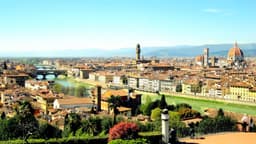
While the Via Francigena (which crossed the Apennines at the Monte Bardone pass, then headed towards Lucca and Siena) was the preferred route for pilgrims heading to Rome during the XII century, by the XIII century Florence had become a must-visit stop: it was one of the pivotal points in world trade (what we would call European trade today) and, therefore, also a junction for pilgrimages to Rome, Jerusalem, and Santiago de Compostela.
The typical pilgrim preferred to make a detour to admire the works of art that were talked about throughout the world at that time and to see firsthand what business opportunities might be exploited. The gain for Florence was immeasurable: tolls, inns, everything brought prosperity to Florentines. Much like mass tourism today.
Once their stay in the city was completed, pilgrims then headed back towards the Francigena using the roads that radiated outwards from the city like spokes on a wheel.
What are the Vie Romee?
The Vie Romee were, and still are today, five routes:
- the Via Sanese, which crossed the Via Francigena at Uopini, Siena;
- the Via Pisana, which crossed the Via Francigena Nova at Siena;
- the Via Bolognese, which connected Bologna with Florence;
- the Via Aretina, for pilgrims heading to Loreto;
- the Strada dei sette ponti, which led to Arezzo.
➜ For more details on the Via Sanese, read the dedicated article
These five routes are still walkable today, both on foot and by bicycle (though in some cases detours may be necessary to avoid insurmountable obstacles for cyclists). All start from Florence and can be enriched by walking sections through the major towns along the way.
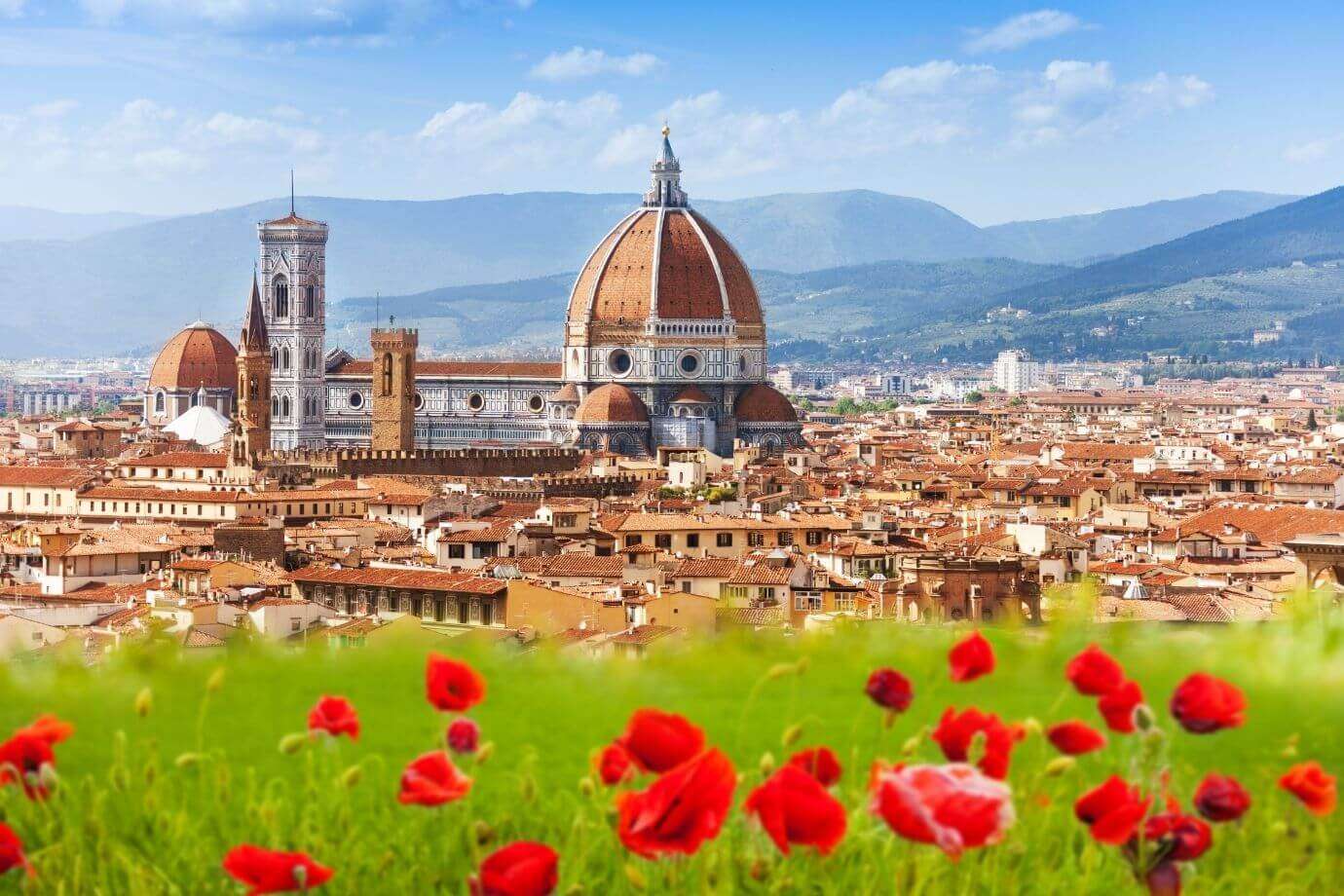
In the case of Florence, a stroll through the historic centre is highly recommended.
Florence was indeed a mandatory stop for pilgrims. Beds and assistance were therefore needed for everyone: the result was 30 hospitals with more than 1,000 beds, reserved primarily for the most needy and the poor (or at least that's how it should have been). The hospitals were located mainly near the city gates: Porta San Gallo, Porta San Frediano, Porta alla Croce, and Porta San Pietro Gattolino (today Porta Romana).
Once you've completed your walk through Florence, you're finally ready for your adventure on the Vie Romee of Tuscany.
Share
apiediperilmondo by wayure
New articles on walks, trekking and hiking trips. Free, no spam.
Redazione
La redazione di Apiediperilmondo. Guide, itinerari e storie nate camminando: consigli pratici, cammini in Italia e nel mondo, letture e spunti per chi viaggia a piedi.
Profilo e tutti gli articoli di Apiediperilmondo